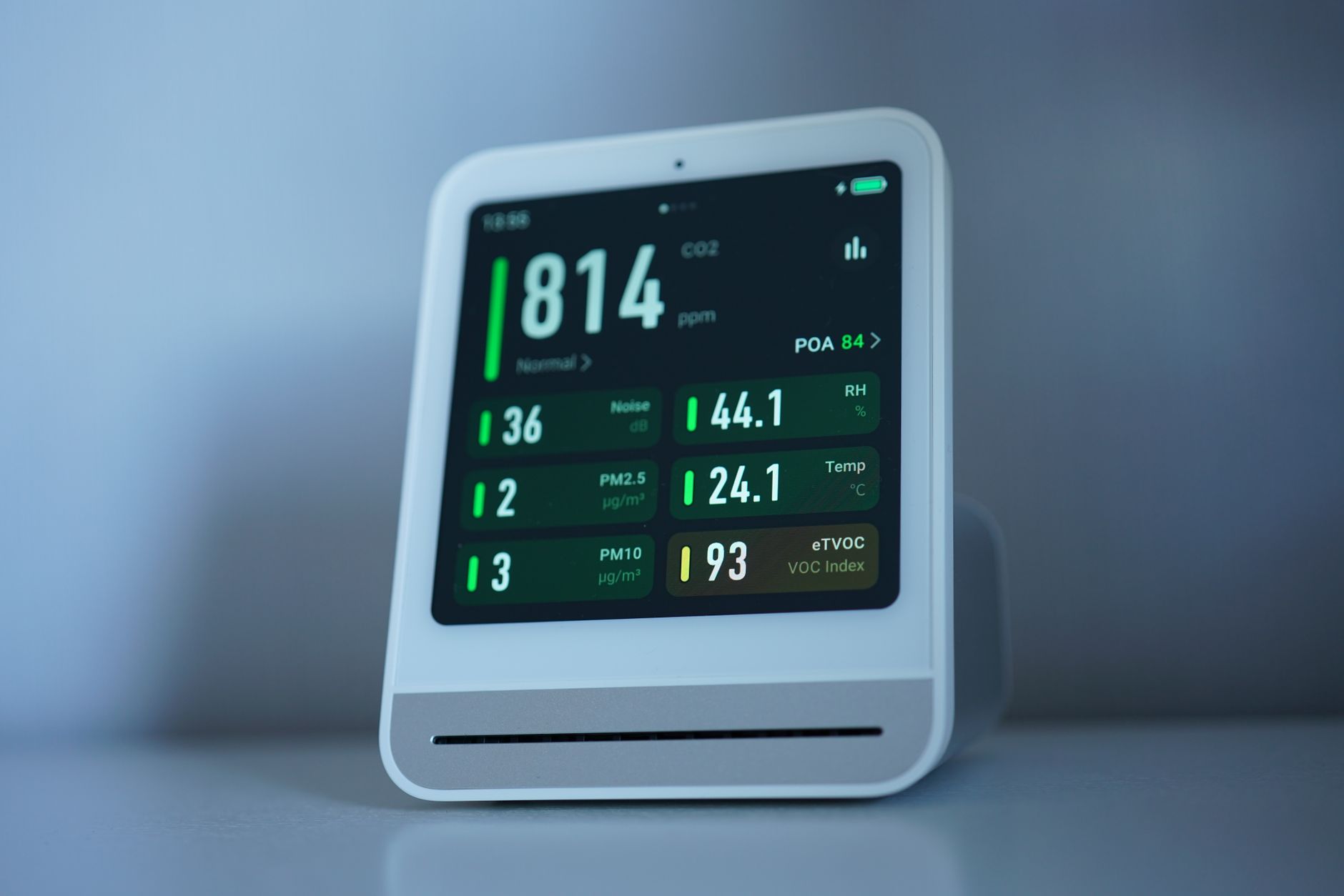
Apple has entered the smart‑display market with the HomeView, a $299 device that leans on an iPhone or iPad to deliver its functionality. The launch comes after years of speculation and places Apple nearly a decade behind competitors such as Amazon and Google, but the company emphasizes design polish and deeper Siri integration as its differentiators.
Design and Display
The HomeView is offered in two configurations. The tabletop version pairs a cylindrical, domed base with a 7‑inch Liquid Retina touchscreen, while the wall‑mounted version consists only of the screen and requires a separate mount priced at $59.95. All models share a 1088 × 1088 pixel IPS panel that Apple rates at 200 ppi, with an LED backlight that can reach 500 nits in bright conditions and dim to a record‑low 0.3 nits for night‑stand use.
The display is coated with an oleophobic layer to resist fingerprints and includes an ambient‑light sensor that automatically adjusts brightness and color temperature. Audio is handled by two full‑range drivers built into the screen, complemented by a down‑firing woofer and a pair of passive radiators housed in the base, delivering richer bass than the wall‑mounted variant.
Physical controls are limited to a single USB‑C port on the back for power. Apple ships the standard unit with a USB‑C‑to‑USB‑C cable and a 30‑watt power adapter; optional higher‑watt adapters (40 W for $39, 20 W for $19) are available, and PoE‑compatible mounts bypass the need for a separate adapter. Color options for the tabletop model include Silver, Starlight, Rose Pink and Space Gray, while the wall‑mounted version is offered only in Silver or Space Gray.
Siri AI and Privacy
At the heart of the HomeView is Apple’s A18 chip, the same processor introduced with the iPhone 16 line in 2024. The chip’s Secure Enclave enables on‑device processing of camera and microphone feeds, allowing the device to recognize faces and voices without transmitting that data to Apple’s servers. Users must enable Apple Intelligence on a paired iPhone or iPad and can select which apps Siri may index, granting the assistant access to personal content such as Messages, Calendar events and Reminders.
In practice, Siri can answer complex, context‑rich queries. The reviewer described a conversation about North Carolina lighthouses where Siri supplied details about active sites, suggested the most accessible lighthouse, checked the reviewer’s calendar for availability, and calculated travel time. Siri displayed text answers alongside spoken responses and sent a notification to the user’s iPhone confirming that personal data had been accessed.
Security relies on the proximity of an unlocked iPhone or iPad that is enrolled in the shared home. Facial and voice recognition determine who is speaking, and the system locks the screen when the recognized user walks away, preventing casual onlookers from viewing messages or other sensitive information. Guests without an Apple device can still use basic functions such as smart‑home control, weather checks and music playback.
Cooking and Smart‑Home Assistance
The HomeView also doubles as a kitchen assistant through Safari recipe integration. By holding an iPhone near the display, a user can mirror a recipe page, then tap a cooking icon that launches a streamlined mode showing the dish’s image, name, creator, cooking time and servings. An “Ingredients” view presents a checklist, and Siri can add selected items to Reminders lists, supporting multiple shopping lists such as Costco or a generic grocery list.
Beyond cooking, the device mirrors core Apple apps—including Messages, Calendar, Photos and Reminders—via technology similar to CarPlay. This mirroring means the HomeView’s utility is closely tied to the user’s existing Apple ecosystem and to the presence of compatible smart‑home hardware.
Overall, the HomeView offers a premium design, on‑device AI processing and tight integration with Apple’s software suite, but its reliance on a companion iPhone or iPad and the additional cost of mounts and adapters may limit its appeal to users already invested in the Apple ecosystem.

Norman Pearlstine is the Executive Editor and Co-Founder at News Raise. With over two decades of experience across financial journalism, corporate governance, and market analysis, Norman leads the editorial direction and ensures strict adherence to journalistic accuracy and ethics.