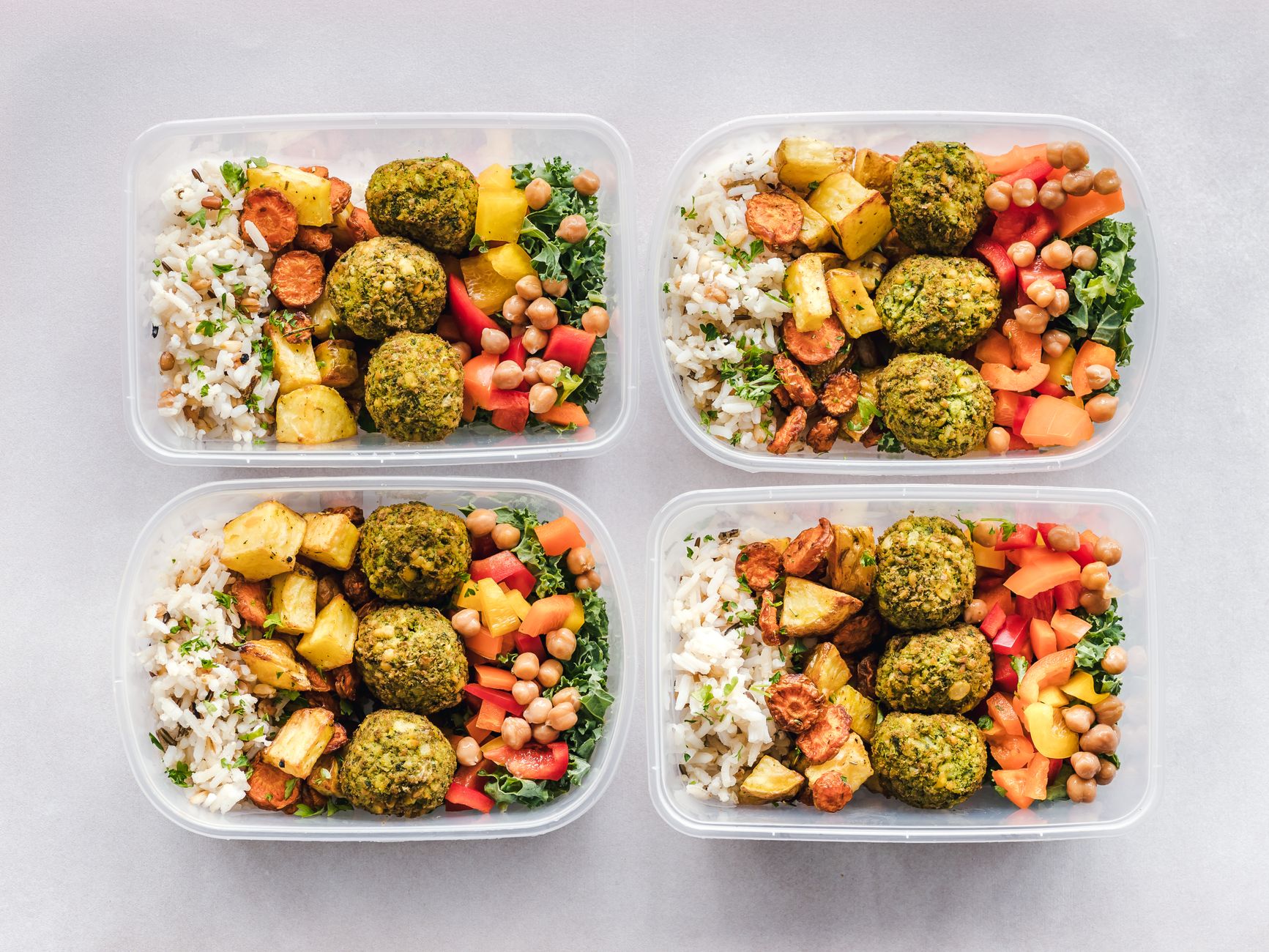
Shifting from a meat‑heavy diet to a plant‑based one is widely recommended for personal health and climate reasons. A 2021 study linked meat consumption to almost 60% of greenhouse‑gas emissions from food production, while a 2025 report placed animal agriculture at 12%‑19% of total human‑caused emissions. The United Nations identifies reducing meat intake as one of the most effective actions individuals can take to lower their carbon footprint.
What defines a plant‑based diet?
A plant‑based diet centers on foods that grow from the earth—fruits, vegetables, nuts, legumes, whole grains and seeds. It typically excludes animal‑derived items such as meat and dairy, though the approach does not automatically equate to veganism. According to the Vegan Society, veganism is a broader philosophy that seeks to eliminate animal exploitation in all areas of life, not merely diet. Consequently, a person may follow a plant‑based eating pattern while still purchasing wool or leather products.
Health, environmental and ethical benefits
Registered dietitian Alyssa Fontaine highlights three primary advantages: improved health, reduced environmental impact and better animal welfare. From a medical perspective, plant‑based eating is associated with lower risks of cardiovascular disease, type 2 diabetes and several cancers, including prostate, breast and colorectal cancers. Such diets tend to be lower in saturated fat and cholesterol while delivering higher fiber, antioxidants and phytochemicals. Fontaine notes that replacing meat with legumes, nuts and seeds markedly raises fiber intake, which can aid digestion—a notable benefit given that 40%‑50% of Americans report digestive problems, according to the American Gastroenterological Association.
Environmental data reinforce the appeal. Damien Watson of the Vegan Society cites a 2023 study showing vegan diets generate 75% fewer greenhouse‑gas emissions, 66% less biodiversity loss and 54% lower water use compared with high‑meat diets. On the animal‑welfare front, both Watson and fellow dietitian Taylor Wolfram stress that aligning food choices with respect for animals supports emotional well‑being and personal values.
Addressing common concerns and getting started
Protein myths often deter newcomers. Fontaine observes that questions about protein are the most frequent she hears. Watson counters that beans, soy, tofu, peas, nuts, broccoli and many other plants provide ample protein when meals are planned correctly. Sue‑Ellen Anderson‑Hayes, spokesperson for the Academy of Nutrition and Dietetics, adds that deficiencies can arise in any dietary pattern lacking proper planning, not just plant‑based ones.
Experts recommend a gradual transition. Wolfram suggests simple swaps such as black‑bean tacos for beef, soy milk in cereal instead of dairy, or tofu stir‑fry in place of chicken. Anderson‑Hayes advises “baby steps” and prioritising progress over perfection. Fontaine recommends identifying ten favorite vegan meals and rotating them until preparation becomes routine—a strategy she calls the “vegan go‑to 10 method.”
Supplementation is another practical consideration. Vitamin B12, which the body cannot synthesize from plants, should be obtained from fortified foods or supplements, according to Watson. Anderson‑Hayes also recommends sea vegetables for iodine and fortified soy milk or nutritional yeast for vitamin D and calcium.
Dining out and grocery shopping have become easier as plant‑based options proliferate. Watson notes that most restaurants now offer vegan choices, and supermarkets feature dedicated plant‑based sections. Checking menus in advance for items like black‑bean burgers, hummus or falafel can streamline ordering. For those seeking guidance without a paid dietitian, Wolfram points to free resources such as VeganHealth.org, which is authored by vegan registered dietitians.
Overall, the consensus among the consulted experts is that a well‑planned plant‑based diet can be nutritious, sustainable and aligned with personal values. While individual nutritional needs vary by life stage and health status, incremental changes, thoughtful meal planning and occasional professional advice can help most adults make the shift confidently.

Mitchell Landsberg is a Senior Technology Correspondent at News Raise. He covers consumer electronics, artificial intelligence, software developments, and digital privacy trends.