A study conducted by King’s College London and published in the International Journal of Food Sciences and Nutrition last month found that people who routinely discard peels, skins, stalks and seeds miss a valuable source of dietary fibre. Ten of the twelve produce types examined contained higher fibre levels in the discarded parts than in the flesh, suggesting that using these scraps could help close the global fibre gap.
Study highlights fibre in food scraps
The researchers noted that 96% of adults fall short of the recommended 30 g of fibre per day. Sammie Gill, a senior nutrition scientist at the British Nutrition Foundation, said that “leftovers are a valuable source of fibre and worth incorporating into meals.” She added that peels, stalks and seeds also supply polyphenols, plant chemicals linked to brain and metabolic health.
Specific findings included a 40% fibre increase in beetroot skin, an 84% rise in celeriac skin, and a 112% boost in cauliflower core compared with the florets. Kiwi skin contained 195% more fibre than the flesh, while pineapple skin and core held 454% more fibre – enough to equal the fibre of five portions of pineapple flesh.
Chefs share practical ways to use scraps
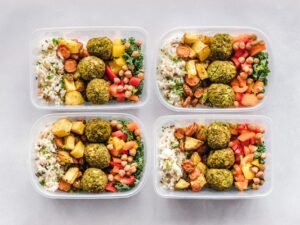
Chefs are translating the research into kitchen practice. Tom Hunt, author of the Guardian’s “Waste not” column, recommends freezing tough asparagus ends for later soup making, or blanching them to blend into dressings or flavoured butter. Adam Handling, a Michelin‑starred zero‑waste chef, encourages treating each ingredient as a whole; he grates cauliflower cores into couscous or rice, and suggests roasting, pickling or fermenting leaves and stalks.
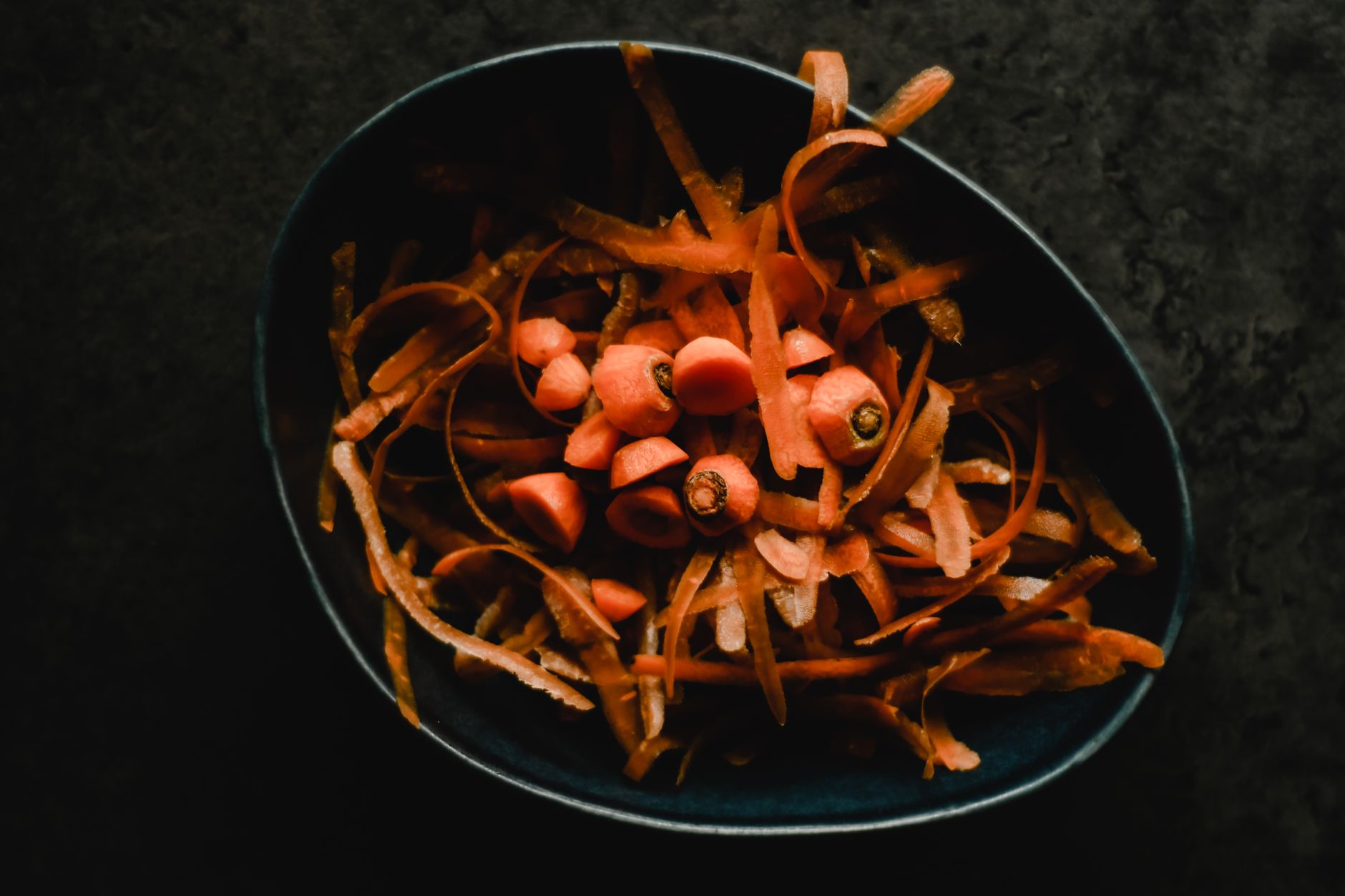
Tom Heywood, chef‑owner of the sustainable restaurant Pignot & the Hare, dries carrot off‑cuts at low temperature, then powders them for an earthy garnish. He also pickles a range of oddities, from coriander seeds to leek flower buds, using a basic brine of equal parts vinegar and water with sugar.
Other tips include using beetroot leaves like chard, turning herb stems into aromatics for stews, making jam from fennel leaves, and fermenting cauliflower leaves into kimchi. Anne‑Marie Bonneau, known as the Zero‑Waste Chef, suggests turning mango peels and pits into a fermented drink called kvass or into fruit‑scrap vinegar.
Safety and nutrient considerations
The study also warned that pesticide residues concentrate in skins and peels. Gill noted that household methods such as rinsing with rice vinegar or carbonated water can reduce residues, but buying organic produce remains the most reliable way to avoid them entirely.
Overall, the research and culinary advice point to a simple yet powerful shift: using the whole plant from root to tip can increase fibre intake, deliver additional phytochemicals, and reduce food waste. As chefs and nutritionists emphasize, experimentation is key—some parts may be too fibrous or overly sour, but each trial adds knowledge and moves the food system toward greater sustainability.

Mitchell Landsberg is a Senior Technology Correspondent at News Raise. He covers consumer electronics, artificial intelligence, software developments, and digital privacy trends.