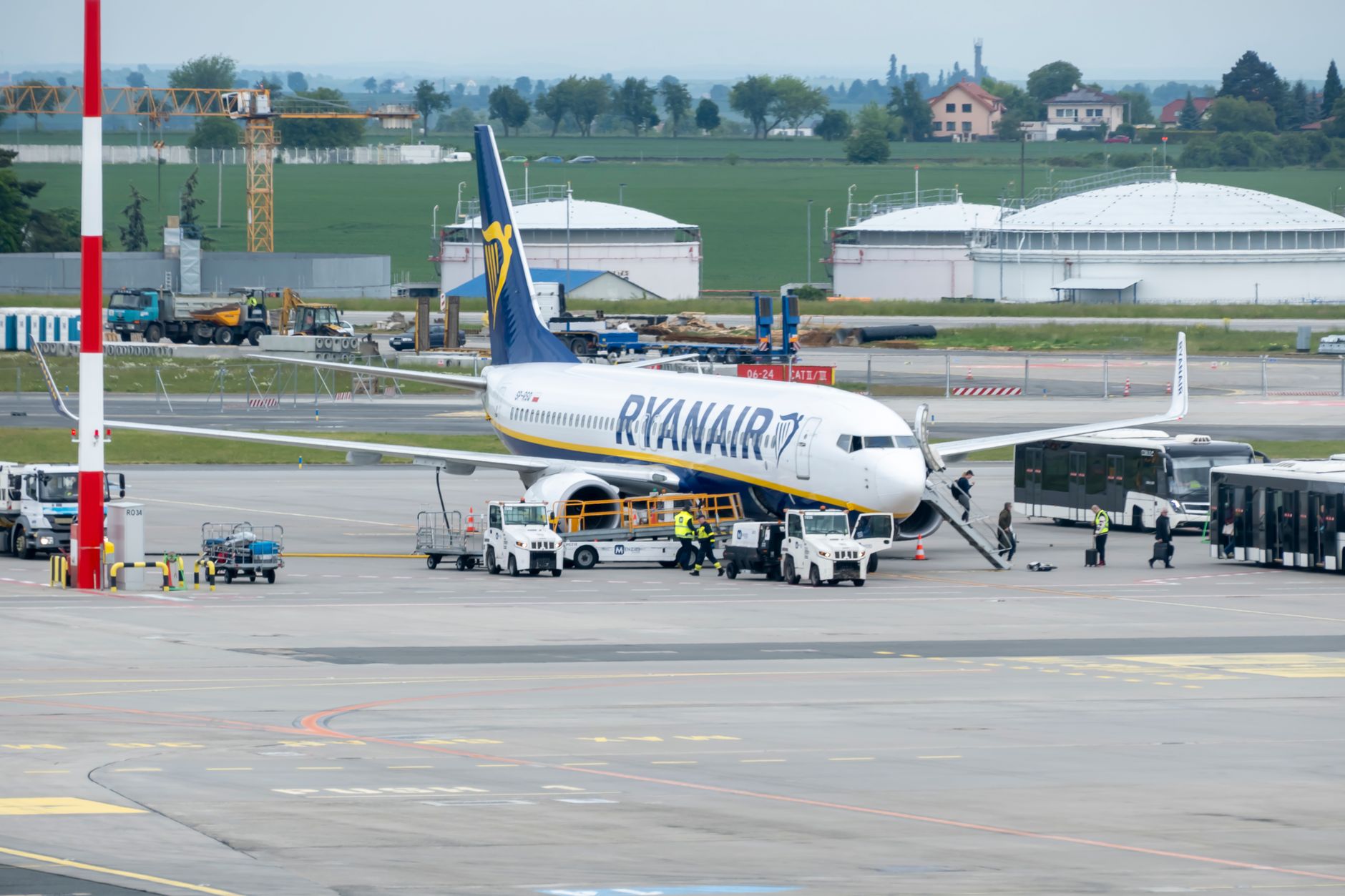
The Federal Aviation Administration (FAA) issued a temporary ground stop for flights bound for Miami International Airport on Wednesday evening after a FedEx cargo plane overran one of the airport’s runways. The incident occurred just after 20:15 local time (01:15 GMT), prompting the closure of all but a single runway while safety teams assessed the situation.
Operational impact and timeline
Departures to Miami were halted shortly after the overrun, and the FAA advisory indicated that the airport operated with only one usable runway for roughly 90 minutes. By 21:41 local time, the agency confirmed that flights would resume shortly, and normal operations were restored later that night. During the interruption, flight delays in Miami peaked at around one hour but began to ease as the runway was cleared.
Safety and investigation
The FedEx aircraft, which had arrived from Memphis, did not sustain any reported injuries among crew or ground personnel. The FAA has opened an investigation into the cause of the overrun, though no preliminary findings have been released. Miami‑Dade Aviation Department spokesperson Greg Chin thanked passengers for their patience and emphasized the department’s priority to safely restore normal traffic.
Broader context: holiday travel and weather concerns
The ground stop came on the eve of Thanksgiving, traditionally one of the United States’ busiest travel periods. According to the American Automobile Association, Miami International Airport ranks among the top five domestic destinations for travelers during the holiday week, underscoring the potential economic impact of even brief disruptions. Passengers scheduled to travel Wednesday night were advised to verify flight status directly with airlines before heading to the airport.
Compounding the operational challenges, the Miami‑Dade region was under a flood watch through late Wednesday night. The U.S. National Weather Service warned of periods of heavy rain that could cause localized flooding, a factor that could affect ground transportation and airport logistics.
Earlier in the month, the United States experienced a nationwide ground stop that halted flights for several hours—the longest such event since the September 11, 2001 attacks. While the recent Miami incident was isolated, it highlights the fragility of the air travel network during peak demand periods and the importance of rapid response protocols.
Airlines and cargo operators typically adjust schedules in response to such disruptions, reallocating aircraft and crew to mitigate passenger inconvenience and preserve revenue streams. Industry analysts note that short‑term flight suspensions can ripple through airline inventories, affecting ticket pricing and load factors during high‑traffic holidays.
As the FAA continues its investigation, Miami International Airport aims to maintain its role as a key hub for both passenger and cargo traffic, balancing safety imperatives with the economic stakes tied to Thanksgiving travel demand.

Helene Elliott is the Lead Science & Space Reporter at News Raise. She reports on aerospace missions, astrophysics discoveries, quantum research, and environmental technology.