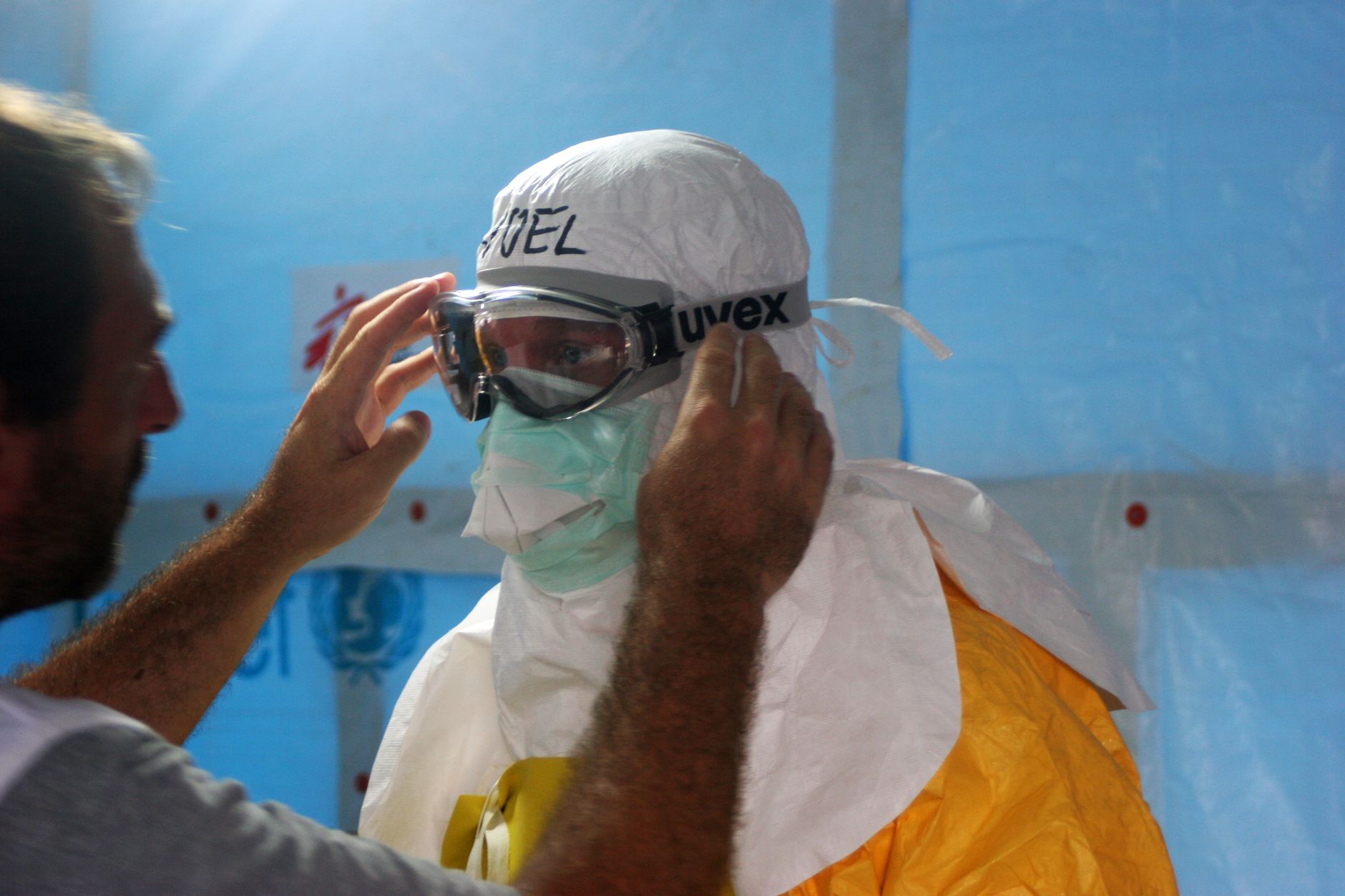
The Ministry of Health in the Democratic Republic of Congo announced Thursday that the Ebola outbreak in the country’s eastern region has risen to 12,021 confirmed cases. Nearly half of those infected have died, making the epidemic the deadliest among Congo’s 17 recorded outbreaks and poised to exceed the 11,000 deaths recorded during the West African crisis of 2014‑2016.
Outbreak Scale and Health Impact
The outbreak, first declared in May, is caused by the rare Bundibugyo strain of the Ebola virus. Unlike more common variants, there is currently no approved vaccine or specific treatment for this strain. Health officials stress that the virus spreads through direct contact with the blood or other bodily fluids of individuals who are ill or have died from the disease. Containment therefore depends on rapid identification of cases, isolation of patients, monitoring of contacts, and safe burial practices for the deceased.
According to the latest government figures, 12,021 people have been confirmed to carry the virus, and 5,900 deaths have been recorded, reflecting a case‑fatality ratio close to 50 percent. The high mortality rate, combined with the lack of therapeutic options, has heightened urgency among national and international responders.
Conflict Undermines Response Operations
Efforts to control the epidemic are being severely hampered by renewed armed conflict in the Ituri province. Fighting between the Congolese army and the Convention pour la Révolution Populaire (CRP) rebels erupted Thursday morning in Iga‑Barrière, a mining town roughly 25 kilometers north of Bunia, the provincial capital and a key hub for Ebola response activities. The renewed hostilities have displaced additional residents toward Bunia, complicating already strained humanitarian logistics.
CRP is one of more than 100 armed groups operating in eastern Congo. The faction was formed last year by former warlord Thomas Lubanga, who was convicted by the International Criminal Court in 2012 for recruiting child soldiers. The ongoing clashes have disrupted the ability of health teams to reach affected communities, interrupted monitoring of contacts, and left some treatment centers operating with reduced staff.
World Health Organization Ebola incident manager Dr. Catherine Smallwood described the impact of the fighting on the response. She noted that earlier in the week, armed clashes prevented teams from accessing certain villages and compromised exposure‑monitoring activities. She also reported that about a dozen individuals, including two WHO personnel and Congolese health officials, were evacuated to Bunia on Tuesday after spending three days trapped in a hospital in Akwe, northeast of the provincial capital, amid intense crossfire.
The evacuation underscores the precarious security environment facing health workers. Despite the challenges, responders continue to prioritize isolation of patients, contact tracing, and safe burial, even as road conditions and mistrust among residents further impede progress.
As the outbreak approaches the scale of the West African epidemic, international agencies and the Congolese government are urging renewed focus on securing safe corridors for medical teams and ensuring that displaced populations receive timely care. The convergence of a fast‑moving virus, limited medical options, and escalating violence creates a complex emergency that threatens to deepen the humanitarian crisis in the region.

Helene Elliott is the Lead Science & Space Reporter at News Raise. She reports on aerospace missions, astrophysics discoveries, quantum research, and environmental technology.