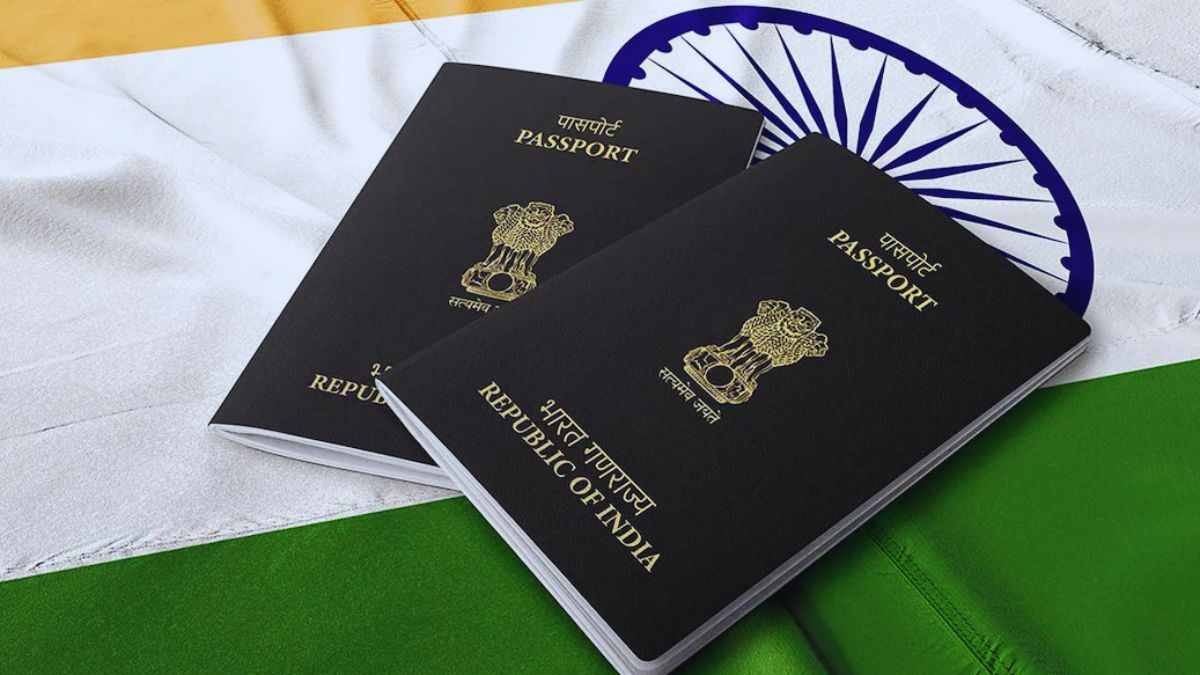
India’s technological advancements have been relentless in the last decade, with innovative procedures and avant-garde solutions being implemented across industries. The introduction of e-passports by the MEA ushers in a new era in international travel, for the Indian citizens.
In the latest series of developments, the Union Ministry of External Affairs (MEA) has rolled out E-passports which are chip-enabled and biometric data fed. This aims to provide a quicker, hassle-free and seamless gate clearance and immigration to citizens planning their foreign travel.
The e-passport rollout aims to enhance data integrity, data protection and avoid any sort of duplication. Launched as part of the pilot project for Passport Seva Programme (PSP) 2.0 initiative on April 1, 2024, it actively combines the physical paper and electronic features, which serves as a bedrock for secure authentication and storage of personal information. The actual nationwide implementation is expected to be completed by mid-2025.
This technological break-through and upgrade to E-passport makes India part of an elite list that has around 120 countries operating using the digital mode, including the United States and Canada.
What is an E-Passport?
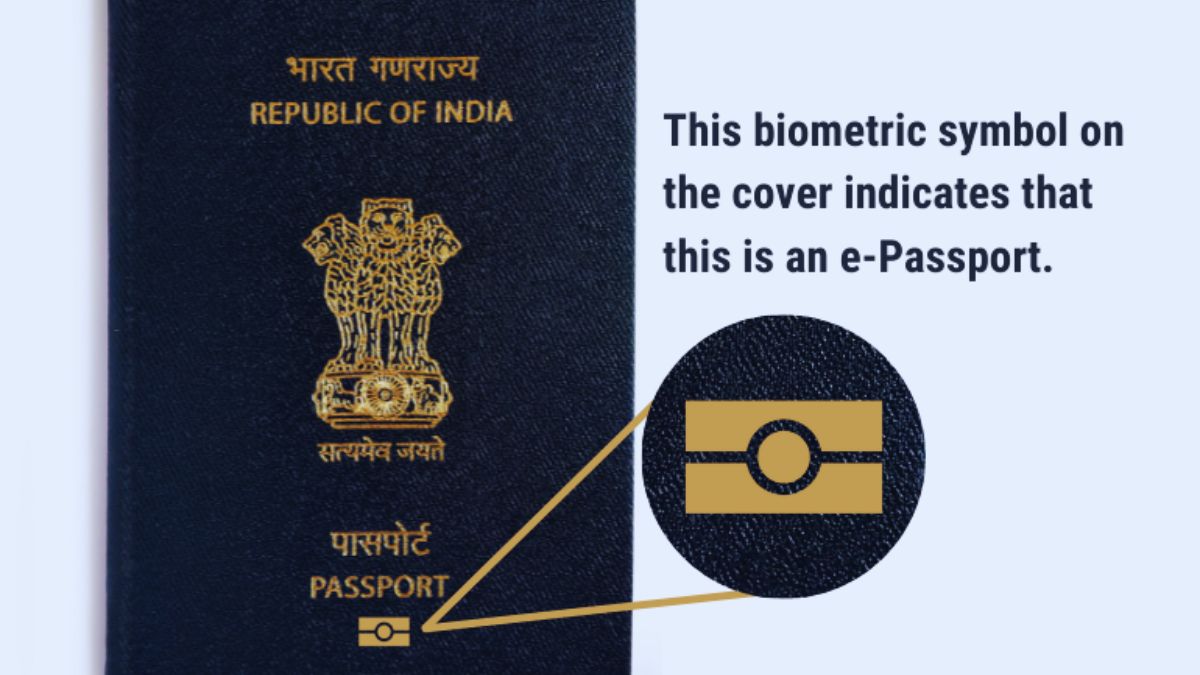
An e-passport is a regular passport that has been upgraded with additional digital features. It includes a small chip and an antenna inside the cover. This chip contains all the personal information, such as fingerprints and facial details. An e-passport can be identified by spotting a small additional gold colour symbol printed below the front cover of the passport.
Features of E-Passport:
The new and revamped passport has a range of features which will put India’s legal document ahead of many counterpart countries and bring us a step closer towards technological brilliance.
- The e-passport makes use of the Radio Frequency Identification (RFID) technique in the chip, along with an antenna that contains sensitive personal and biometric information of the passport holder.
- The data protection of every passport will be maintained through international security standards, Basic Access Control (BAC), Passive Authentication (PA) and Extended Access Control (EAC).
- Public Key Infrastructure (PKI) solution will serve as the foundation to shield private information and avoid any tamper or breach of biometric data stored on the chip within the e-passport.
Benefits of E-Passport:
- A significant benefit will be the extra-layer of protection to uphold the privacy and integrity of the passport holder’s data.
- The digitally signed and encrypted electronic chip shall be accessible only to the Ministry authorized officials, which can be securely authenticated by immigration officials worldwide.
- The dual nature of e-passport will further safeguard from any potential forgery and fraudulent activity, such as fake or duplicate passports.
- The international travel will turn smoother by allowing automated ID check system at immigration and drastically reducing the wait time at airports.
Where to Apply for an E-Passport?
The regional Passport Offices operating in the cities of Nagpur, Bhubaneswar, Jammu, Goa, Shimla, Raipur, Amritsar, Jaipur, Chennai, Hyderabad, Surat, and Ranchi are presently issuing e-passports to Indian citizens and have equipped their facility accordingly. However, there are plans on horizon for further location expansion in the upcoming months.
How to Apply for an E-Passport in India?
You can apply for an e-passport online and collect it from the opted Passport Seva Kendras (PSKs) or Regional Passport Offices (RPOs) in the cities stated above. To apply, register on the official site – Passport Seva, Ministry of External Affairs, Government of India
FAQs on E-Passport
1) Is it mandatory for existing valid passport holders to get an e-passport?
No, valid passport holders are not required to replace their existing passports, unless applying for a fresh passport or renewal. All the passports will remain valid until their validity expiry date.
2) Which technology will be used in the new e-passports that will be issued?
The new e-passport will make use of the Radio Frequency Identification (RFID) technique in the chip.
3) When was the e-passport initiative launched by the government?
The e-passport initiative under Passport Seva Programme (PSP) 2.0 was launched on April 1, 2024.




Be First to Comment