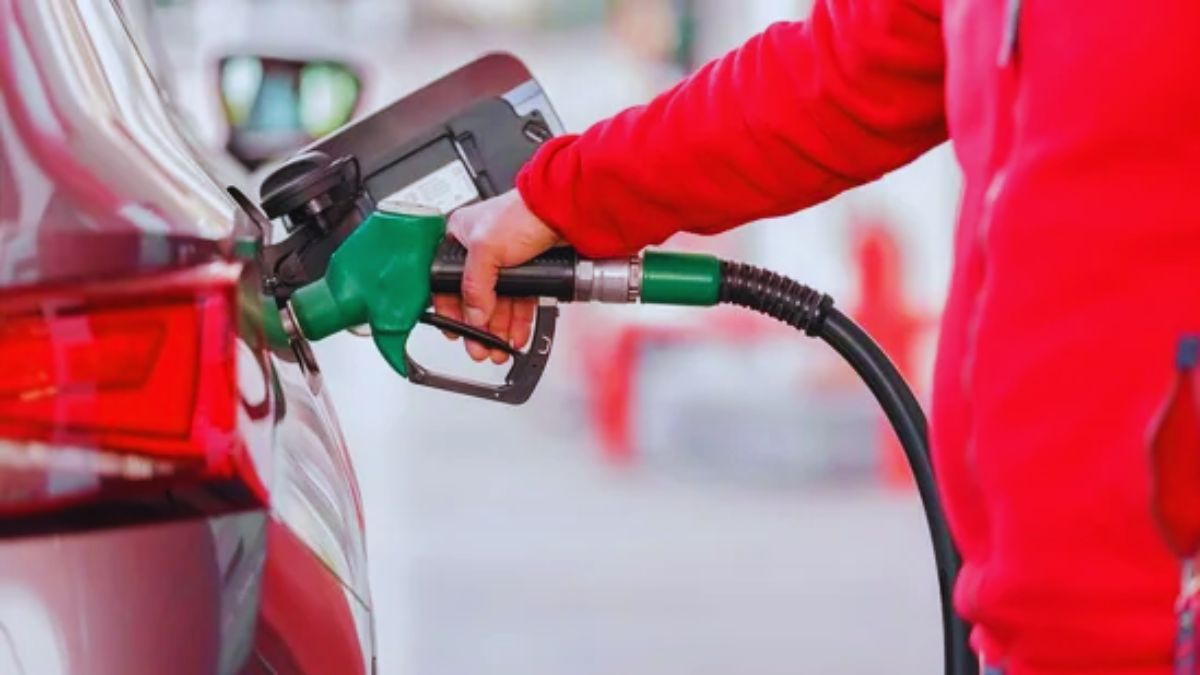
In a rather interesting development, a new point of contention has emerged in the Indian automobile’s fuel sector. Ethanol blend E20 petrol is the new trend at several petrol pumps across the country. As part of its green fuel policy, the Government of India is aggressively pushing to promote ethanol blending in petrol – starting with E10 (10% ethanol) and now moving towards the E20 (20% ethanol) blend.
- While the move is environmentally driven, automakers and consumers don’t seem to be in high favour and have raised concerns over its compatibility with existing vehicles, especially those not designed to handle higher ethanol content.
However, the Ministry of Petroleum has dismissed claims and theories about the E20 petrol and stated that this theory is not backed by science, its impact on actual fuel efficiency is only marginal.
The central government has finally reacted to the buzzing social media discussion on E20 petrol incorporation in Indian vehicles – which allegedly causes a drastic drop in the mileage, especially in cars, and leads to an eventual damage to the fuel tank and engine.
- Most automakers have clearly stated that their older models were calibrated for E10 fuels, and using E20 for these vehicles could result in damage that is not covered under warranty.
E20 Petrol’s Impact on Mileage & Performance
In a social media post, the petroleum and natural gas ministry has clearly expressed that the mileage may drop up to 1-2 per cent in vehicles that are originally designed for E10 petrol but later calibrated for E20. In other vehicles, the drop could be as low as around 3-6%, which is rather significant.
- However, better engine tuning and use of E20-compatible parts can cut this drop, the ministry opined in its post. The Ethanol blended E20 petrol variant can be put in vehicles with upgraded components, which have been available since April 2023, as per a report published by ANI.
- On theories that E20 petrol causes corrosion of the fuel tank and related parts, the ministry further stated that minor replacements of rubber parts or gaskets may be needed after completing 20,000 to 30,000 kms in some older vehicles.
- However, a major benefit of ethanol includes improvement in the engine performance and ride quality in modern vehicles.
Petroleum and Natural Gas Minister Hardeep Singh Puri had on July 24, said that the ethanol blend in petroleum has bolstered energy security in addition to having great environmental benefits. While all of that is true, automobile manufacturers have raised red flags, while cautioning against the possible risks that could emerge from using the blended fuel.
While some of the newer range of vehicles have been designed with hardened seals, ethanol-resistant components and upgraded engine control units (ECUs) to support the ethanol-blended E20 petrol fuel, the majority of the existing fleet remains vulnerable. Manufacturers have requested the government to adopt a phased approach and greater transparency to protect consumers from unintended consequences of the blended fuel added to their vehicles.
The research studies conducted have found that ethanol, a renewable fuel made from sugarcane and maize, emits 65 per cent and 50 per cent less greenhouse gases, respectively, as compared to petrol. An 80:20 mix of petrol and ethanol thus reduces CO2 emissions. Since India produces ethanol from surplus rice, damaged foodgrains, and agricultural waste, the ethanol blending in petrol also boosts India’s energy security by reducing the reliance on crude oil imports.






Be First to Comment