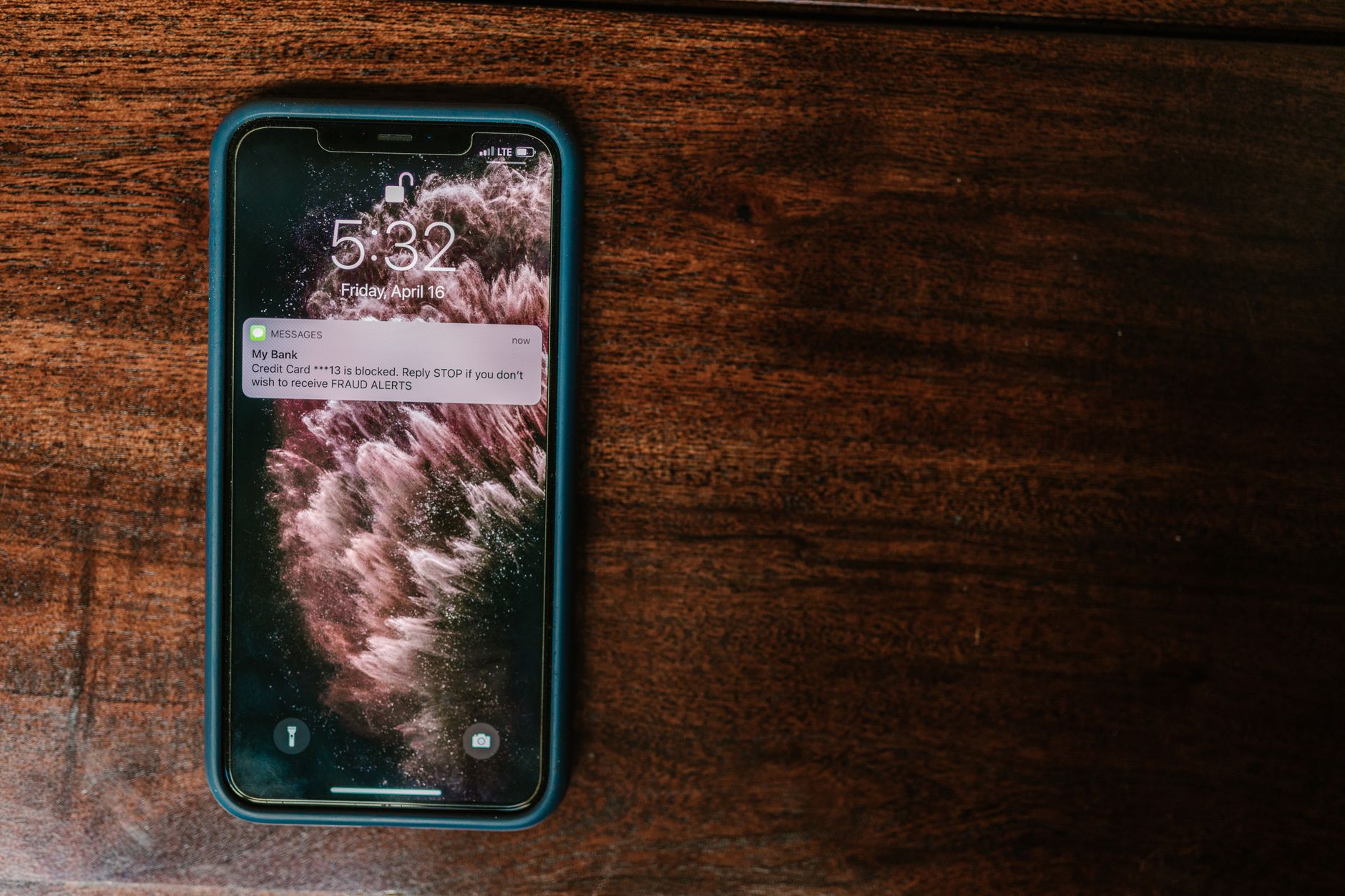
Apple issued a push notification to a subset of its customers on Thursday warning that a mercenary spyware campaign had targeted their iPhone. The message read: “Apple detected a mercenary spyware attack targeted at your iPhone. There are actions you can take now to help protect your data.” The alert, coupled with an update to Apple’s support website, has prompted renewed scrutiny of the security of iPhones and Macs.
Details of the notification and Apple’s response
In the same day’s support‑site post, Apple explained that the threat notifications are intended to inform users who may have been individually targeted because of who they are or what they do. The company noted that it has been sending similar alerts since 2021, but that previous messages lacked detailed remediation steps. The new guidance lists three immediate actions: keep all software up to date, enable two‑factor authentication, and turn on the stolen‑device protection feature. Apple also directs affected users to seek expert assistance, specifically mentioning the rapid‑response emergency security assistance offered by the Digital Security Helpline at the non‑profit Access Now.
What Apple calls “mercenary spyware”
Apple characterises mercenary spyware attacks as “exceptionally well funded” and, based on its own research, links them to state actors and private firms that develop such tools on behalf of governments. The post cites Pegasus, the spyware created by Israel’s NSO Group, as a prominent example. Apple says it has warned users in more than 150 countries about these threats, though it stops short of naming any particular nation behind the campaigns.
The company adds that the attacks, while aimed at a “very small number of individuals,” are ongoing and global. The typical victims include journalists, activists, politicians and diplomats. Security analysts describe the spyware as providing unprecedented access to personal communications, noting that it can employ key‑tracing techniques that let attackers view what a user types in real time.
Broader industry context: macOS versus Windows security
Apple’s alert arrives days after Kaspersky, a cybersecurity and digital‑privacy firm, released survey results that highlight a perceived protection gap between macOS and Windows devices. According to Kaspersky’s press release, 12 % of Apple users reported malware infections, compared with 9 % of Windows users. The firm also observed that 42 % of surveyed Windows users employ some form of cybersecurity software, whereas only 35 % of macOS users do so.
Kaspersky argues that the common belief that Apple devices are less vulnerable does not fully withstand scrutiny. Sergey Puzan, a cybersecurity expert at Kaspersky, said the threat landscape has evolved dramatically, with the internet layer of technology making many hackers agnostic about target platforms. He emphasized that any device with an internet connection—regardless of operating system or form factor—requires cybersecurity software to defend against a wide range of threats.
Puzan added that malware and phishing attacks affect both macOS and Windows devices and that “Mac‑specific malware is not rare; there are many malware families that target Macs exclusively.” This assessment aligns with Apple’s own acknowledgement that mercenary spyware can affect a broad set of devices, even if the current campaigns focus on a limited set of high‑profile individuals.
The juxtaposition of Apple’s direct user alert and Kaspersky’s broader market data underscores a shifting security environment. While macOS continues to hold a smaller market share than Windows—making it a less frequent target for mass‑scale attacks—state‑backed or mercenary actors appear willing to invest heavily in bespoke tools that can bypass conventional defenses.
Implications for users and next steps
Apple’s notification serves as a concrete reminder that even devices traditionally viewed as secure can be exposed to sophisticated espionage tools. By providing actionable steps—software updates, two‑factor authentication, stolen‑device protection—and a channel for rapid assistance, Apple is encouraging users to adopt a layered security posture.
For users who receive the alert, the recommended actions are straightforward: verify that the latest iOS or macOS version is installed, enable two‑factor authentication for Apple IDs, and activate the “Find My” protection that can lock or erase a lost device. If uncertainty remains, contacting the Digital Security Helpline at Access Now can provide specialized guidance.
Industry observers suggest that the alert may also prompt broader conversations about security software adoption on macOS. With Kaspersky’s data indicating lower uptake of security tools among Apple users, the notification could act as a catalyst for increased awareness and possibly greater deployment of third‑party protection solutions.
Overall, the episode highlights a convergence of factors: state‑linked espionage tools, evolving threat vectors that disregard operating‑system boundaries, and a growing expectation that users take proactive steps to safeguard their data. Apple’s move to make the warning more visible and actionable reflects an acknowledgement that the line between “secure” and “vulnerable” is increasingly blurred in today’s interconnected world.




Be First to Comment