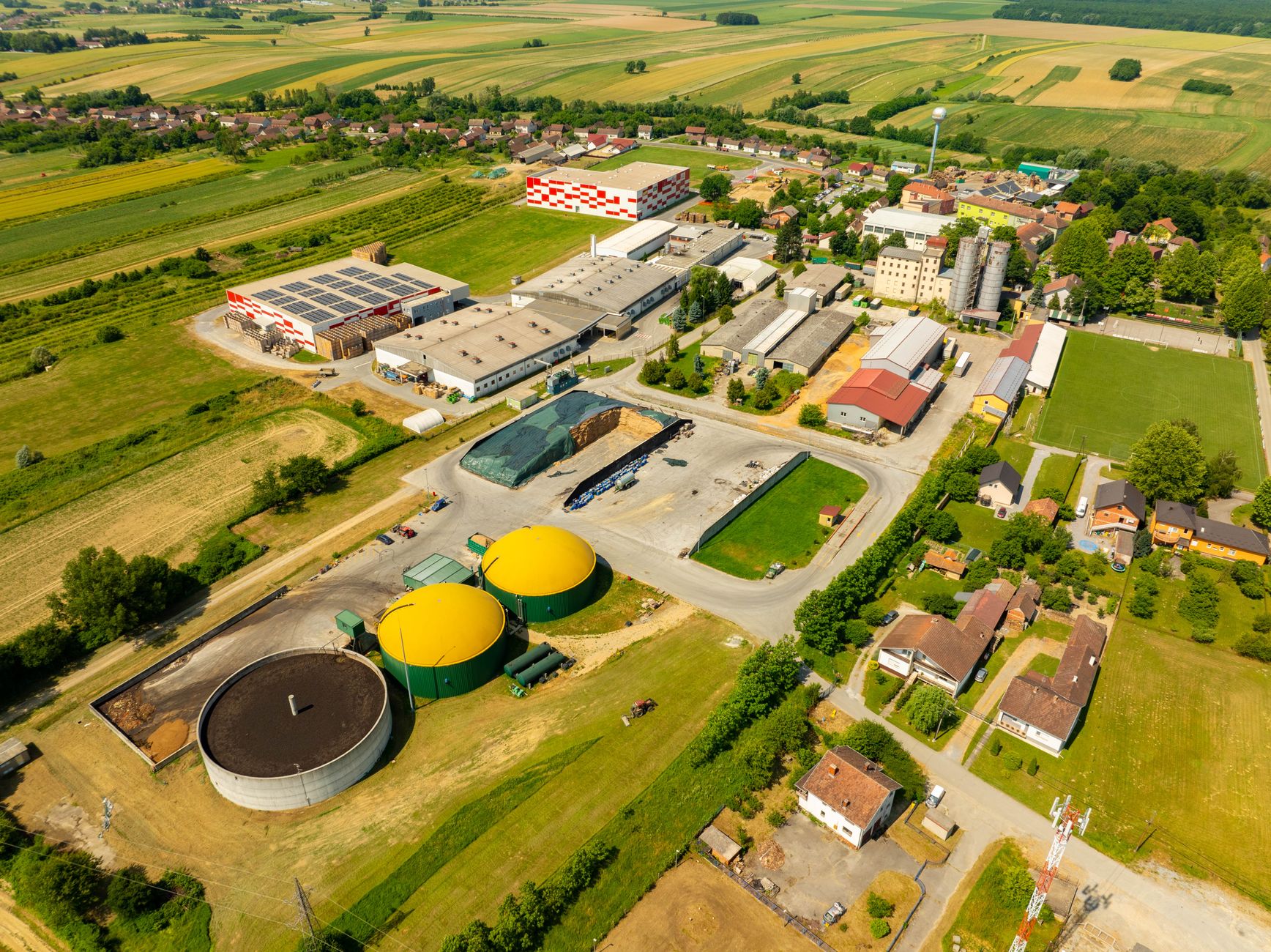
On August 6, the Union Cabinet gave the green light to GOBARdhan – the National Circular Bioenergy Scheme – with a budget of Rs 23,731 crore for the fiscal years 2026‑27 through 2035‑36. The programme is designed to increase India’s domestic production of compressed biogas (CBG) ten‑fold, bringing together demand guarantees, price support, capital assistance, pipeline development and credit facilities under a single framework.
From waste‑management pilot to national industry driver
The GOBARdhan concept is not brand‑new. First introduced in 2018 under the Swachh Bharat Mission‑Grameen, it was a waste‑management initiative that turned cattle dung, kitchen waste, crop residue and other organic material into biogas and bio‑slurry for villages. The 2026 version expands the remit dramatically, positioning the scheme as a national platform for the CBG industry and placing it under the Ministry of Petroleum and Natural Gas.
The expanded framework folds several existing measures into one umbrella: the Sustainable Alternative Towards Affordable Transportation (SATAT) programme, the Market Development Assistance scheme for organic manure, the Biomass Aggregation Machinery scheme, pipeline‑infrastructure support and central financial assistance for CBG plants. In effect, the government is shifting from asking “how do we manage organic waste?” to “how do we build a market around it?”
How organic waste becomes a fuel comparable to natural gas
The conversion process starts with feedstock such as cattle dung, agricultural residue, press mud from sugar mills and municipal organic waste. These materials are fed into an anaerobic digester where microorganisms break them down in the absence of oxygen, producing raw biogas that contains methane, carbon dioxide and other impurities. The gas is then purified, compressed and stored as CBG, whose properties closely match those of conventional natural gas. Because CBG can be injected into the existing gas distribution network, India does not need a separate fuel infrastructure.
In addition to CBG, the digestion process yields a nutrient‑rich organic slurry that can be used as fertilizer. A single plant therefore has the potential to generate multiple outputs – fuel, fertilizer, rural employment and ancillary income – embodying the circular‑economy model the government seeks to promote.
Why CBG matters for India’s energy security and environment
India currently imports nearly 50 % of its natural‑gas requirement, leaving the country vulnerable to global price swings, shipping disruptions and geopolitical shocks. The GOBARdhan backgrounder estimates that reduced dependence on imported fossil fuels could eventually save more than Rs 40,000 crore in foreign‑exchange outlays, although the figure is a projection rather than a guaranteed outcome.
Beyond the economic calculus, the scheme addresses two environmental challenges. First, agricultural residue that is left in the field or burned contributes to air pollution and waste‑disposal problems. Second, organic waste dumped in landfills releases methane, a potent greenhouse gas. Converting these materials into CBG not only creates a market for waste but also helps curb methane emissions.
Lessons from earlier attempts and the reasons for past shortfalls
India’s push for CBG predates GOBARdhan. In October 2018, the government launched SATAT with a target of 5,000 CBG plants capable of producing 15 million tonnes of gas annually. A 2022 review by the Parliamentary Standing Committee on Petroleum and Natural Gas found that only 40 plants had been commissioned against the 5,000‑plant target for 2023‑24.
The committee highlighted several bottlenecks: fragmented financing, multiple approvals, uncertain pricing and inconsistent feedstock supply. Seasonal availability of crop residue, for example, creates a supply‑chain challenge; large quantities are only available for a few months each year, forcing plants to invest in storage and logistics to operate year‑round. Although India generates an estimated 230 million tonnes of surplus agricultural residue annually, turning this dispersed, seasonal feedstock into a reliable supply chain has proved difficult.
Financing also remained a hurdle. Banks and investors were reluctant to fund projects whose revenue depended on uncertain feedstock and evolving CBG prices, citing a low internal rate of return. The lack of a clear offtake market further dampened investor confidence.
GOBARdhan’s new pillars aim to close the gaps
According to Kapil Bansal, partner for energy transition and decarbonisation at EY‑Parthenon India, the revamped scheme tackles the entire CBG value chain rather than isolated bottlenecks. He notes that earlier measures addressed biomass aggregation, organic‑manure markets, pipelines and financial assistance separately, but developers still faced uncertainty around demand, pricing and financing.
GOBARdhan introduces three core changes:
- Assured demand: City Gas Distribution (CGD) companies will be obligated to procure CBG, starting at 3 % of their total gas requirement in FY 2026‑27 and rising to 5 % by FY 2028‑29 for both compressed natural gas (CNG) transport and piped natural gas (PNG) domestic segments. This creates a predictable market for producers.
- Stable price: The government will back a CBG price of Rs 2,110 per MMBTU for a minimum of ten years, providing revenue visibility and improving bankability.
- Capital assistance: Eligible greenfield projects can receive up to Rs 2 crore for each tonne‑per‑day (TPD) of installed capacity. The assistance can cover not only the core plant but also critical assets for feedstock aggregation, organic‑manure processing and value‑addition. Brownfield projects expanding existing capacity are also eligible for support.
These measures, together with pipeline connectivity and credit guarantees, are intended to give investors confidence, reduce financing costs and enable developers to move from a project‑led to a market‑led approach.
Potential impact on rural economies
The scheme envisions villages becoming hubs of energy production. Farmers would gain a new market for cattle dung, crop residues and other organic waste, while rural entrepreneurs could invest in aggregation, storage and transport infrastructure. The creation of CBG plants is also expected to generate local employment, both directly in plant operations and indirectly through logistics and ancillary services.
If the ten‑fold increase in CBG output is achieved, the resulting domestic gas could displace a sizable share of imported natural gas, contributing to the projected foreign‑exchange savings and enhancing energy security. Moreover, the simultaneous production of organic fertilizer could reduce dependence on synthetic inputs, supporting sustainable agriculture.
While the GOBARdhan scheme marks a substantial escalation of policy commitment, its success will hinge on effective implementation of the demand‑of‑ftake mandates, timely disbursement of capital assistance and the development of robust biomass‑aggregation networks across districts. The government’s integrated approach aims to address the fragmented challenges that previously stalled the sector, but the scale of the ambition means that close monitoring will be essential.
In summary, the Rs 23,731 crore GOBARdhan scheme represents India’s most concerted effort to turn agricultural and organic waste into a commercial fuel source, linking waste management, rural development and energy security under a single, market‑driven framework.






Be First to Comment