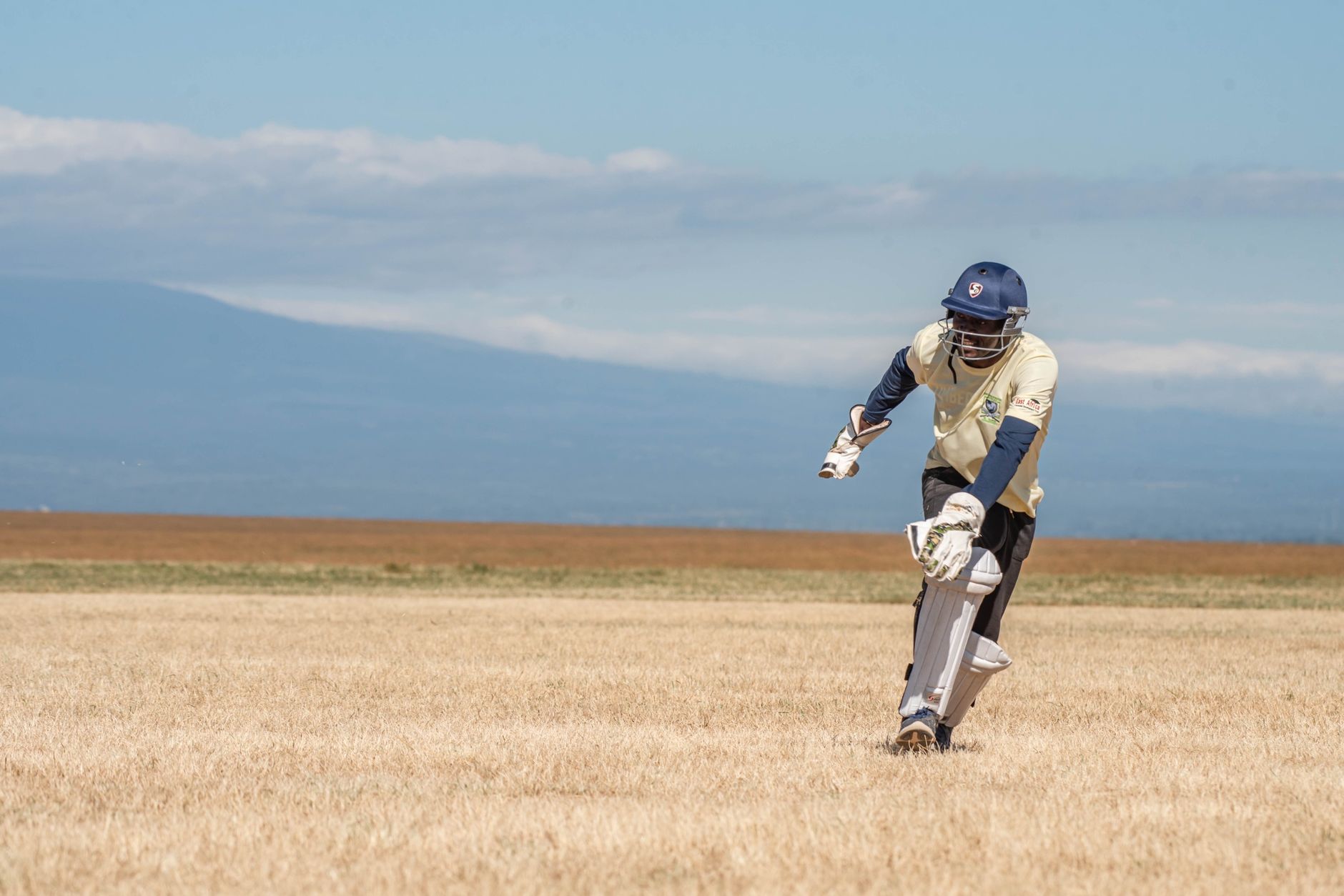
New Delhi – As the 2025 ODI World Cup approaches, the Board of Control for Cricket in India (BCCI) and its selection panel are actively mapping out replacements for the middle order, with a particular focus on a potential stand‑in for Shreyas Iyer. According to multiple sources, left‑handed batsman Tilak Varma has entered the conversation as a candidate to slot into the top six of the batting line‑up.
Why Tilak Varma is being considered
Varma’s left‑handed stance is viewed as a tactical asset that could disrupt the predominance of right‑handers in India’s batting order. Beyond his batting, the coaching staff have asked him to develop his off‑break bowling, believing his spin has untapped potential. The lack of genuine bowling options among the top‑order batsmen has been highlighted by the management as a factor that currently places additional strain on the lower order and the specialist bowlers.
Head coach Gautam Gambhir and captain Shubman Gill have publicly acknowledged that a ready‑made backup for the middle order is not yet in place. With all‑rounders Hardik Pandya and Nitish Kumar Reddy considered injury‑prone, the team desires a top‑order player who can also deliver up to four overs in an ODI, a requirement that has been cited by a BCCI source.
Current composition and recent adjustments
Over the past twelve months, India has often resorted to fielding either Washington Sundar or Axar Patel at the No. 5 or No. 6 positions in order to maintain balance in the playing XI. In the most recent series in England, Ishan Kishan was promoted ahead of vice‑captain Iyer, underscoring the fluidity of the batting order when injuries or form dictate changes.
The selectors are also mindful of the conditions expected in South Africa, the host nation for the World Cup. Iyer’s injury sustained in Australia has left his capability against pace and bounce largely untested. At the same time, senior stalwarts Rohit Sharma and Virat Kohli are coping with niggling fitness concerns, while KL Rahul will be over 35 by the time the tournament commences. All‑rounder Ravindra Jadeja’s availability remains uncertain, and the fielding unit has suffered from a series of fitness setbacks. These factors collectively reinforce the call for younger, versatile backups.
Reluctance to reshuffle established roles
The selection panel remains cautious about moving established batsmen out of their accustomed positions. Last year, Ruturaj Gaikwad was promoted to No. 4 and registered a century against South Africa in Raipur, yet he has not featured in the ODI side since. Gaikwad’s brief stint as a backup opener came when Shubman Gill was sidelined with injury, and the management believes that while Tilak could have been trialled in a similar role, there is no urgency to fast‑track Devdutt Padikkal into the ODI set‑up. Padikkal, according to the source, has found his niche opening the white‑ball format, and the board prefers to preserve his current role.
Looking ahead to the imminent home ODI series against the West Indies, scheduled to begin on September 27, the composition will be atypical. Core players Iyer, Varma, Ishan Kishan and Axar Patel are expected to miss the series, prompting selectors to concentrate on securing an additional wicket‑keeper for the three‑match encounter.
The selection committee is slated to convene by September 3 to finalize the squad for the T20I series against Afghanistan, which will be played in Delhi from September 13. Sources indicate that the panel may retain much of the squad earmarked for the Asian Games, where a full‑strength T20 side will travel to Japan concurrently.
Fitness updates for Hardik Pandya, Nitish Kumar Reddy and Jasprit Bumrah are still pending, while all‑rounder Varun Chakravarthy has reportedly returned to full fitness. These reports will shape the final roster decisions for both the short‑term series and the long‑term World Cup campaign.
In summary, while Tilak Varma’s name has surfaced as a plausible replacement for Shreyas Iyer, the broader strategic challenge for India’s cricketing hierarchy lies in addressing a shortage of top‑order bowling options, managing the fitness of senior veterans, and ensuring that younger players are prepared to step up when the World Cup arrives in South Africa.





Be First to Comment