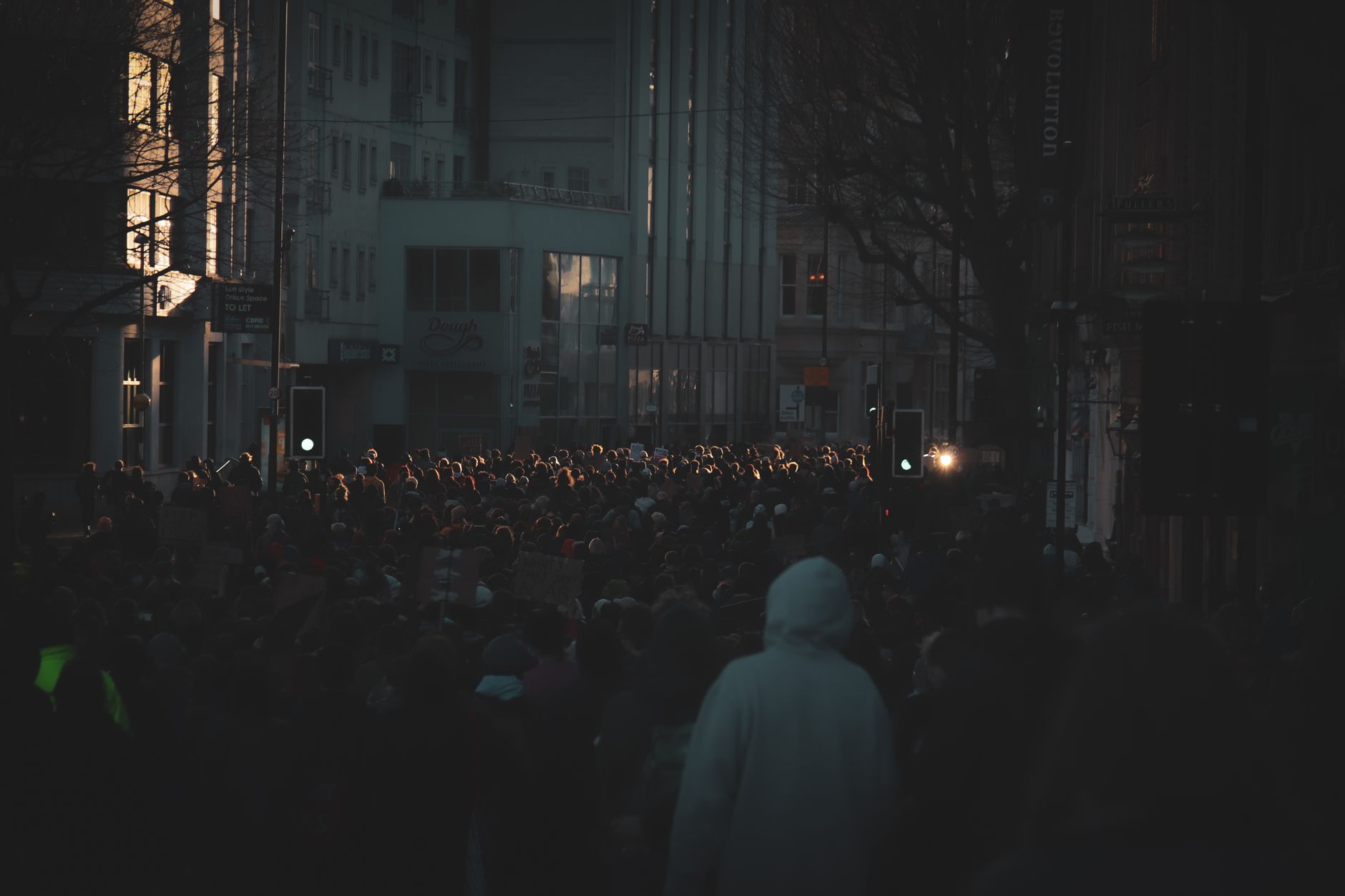
In a conversation on the PGX podcast with Prakhar Gupta, activist Sonam Wangchuk disclosed that the leadership of the Cockroach Janta Party (CJP) was contemplating how to wind down its protest at Delhi’s Jantar Mantar after a police operation on July 20. The crackdown dismantled the movement’s stage, prompted many participants to leave, and left the party’s core members feeling “deeply demoralised,” according to Wangchuk.
Background to the July 20 crackdown
On July 20, police forces moved into Jantar Mantar, breaking down the stage that had become the focal point of the CJP’s sit‑in. The action was described as a “lathi‑charge” that forced a large number of demonstrators—estimated by the movement as “one or two lakh people”—to disperse that night. Wangchuk said the immediate perception among CJP leaders was that the protest had effectively collapsed, with the physical infrastructure gone and the crowd gone.
Following the police intervention, the party’s senior figures approached Wangchuk for assistance in communicating with the remaining protesters. They asked him to draft a message that would encourage participants to rest, return home, and reconsider their presence at the site. The suggested wording, as recalled by Wangchuk, was along the lines of: “You need a good rest now, go sleep at home, don’t stay at Jantar Mantar, we can see tomorrow what to do.” Although Wangchuk prepared such a statement, it was never published.
Leadership’s reaction and proposed messaging
Wangchuk recounted the tone of the conversation with CJP’s core team: “Now everyone has gone, our stage has also been broken, now there is no hope.” The leaders expressed disappointment and a sense that the agitation might never resume. One senior member is quoted as saying that if the protest were to restart, it would do so “sometime, then it starts; otherwise not.” The party’s morale, according to Wangchuk, was closely tied to the visible presence of supporters. When the crowd vanished, morale dipped; when youth returned the next day, it rose.
During the period of uncertainty, CJP also explored political avenues to end the fast that Wangchuk was undertaking. Their initial plan involved seeking support from opposition leader Rahul Gandhi, hoping he would intervene in Parliament to break the hunger strike. The attempt to contact Gandhi’s camp, however, did not yield a positive response.
Youth protesters revive the movement
Contrary to the leadership’s gloom, the day after the crackdown saw a notable return of young demonstrators. Wangchuk praised their resolve, noting that they came back despite having faced the earlier lathi‑charge. “The youth did something remarkable,” he said, emphasizing that their return boosted the morale of the CJP core group.
The resurgence of participants appeared to shift the internal calculations of the party. As more protesters gathered again at Jantar Mantar, the leadership’s confidence was restored, prompting them to continue the agitation rather than abandon it. Wangchuk observed that the leadership’s assessment of the protest’s viability was directly linked to the number of faces they saw in the camp.
Negotiations, hunger strike, and continued demands
While the protest was regaining momentum, the government opened a channel of communication with Wangchuk through Intelligence Bureau officials. On the night of July 21, Union ministers JP Nadda and Jitendra Singh met him at the hospital where he was being treated, urging him to end his hunger strike. Wangchuk’s original demands included accountability through the resignation of officials, compensation for affected students, and a parliamentary discussion on long‑term solutions for the education sector.
As talks progressed, Wangchuk refined his non‑negotiable demand to focus on protecting protesting students from FIRs and other legal harassment. After his fast was broken, the CJP core group, now buoyed by the renewed presence of protesters, decided to press on with its agenda. The movement continued to call for the resignation of Education Minister Dharmendra Pradhan.
Wangchuk expressed measured support for the decision to keep the protest alive, acknowledging that while the resignation of the minister would not instantly overhaul the education system, it represented a form of accountability for the events that had unfolded. He described the outcome as a “limited success”: there was some governmental responsiveness and acknowledgment of responsibility, but no evidence of a sweeping transformation in education policy.
The episode illustrates the fluid dynamics of protest leadership, the impact of police action on movement morale, and the pivotal role of young activists in sustaining dissent. It also underscores the challenges faced by protest groups in navigating political outreach, especially when attempts to involve opposition figures do not bear fruit.
Overall, Sonam Wangchuk’s account provides a rare inside view of the CJP’s strategic deliberations during a critical juncture, highlighting how a combination of demoralisation, tentative political overtures, and the steadfastness of youthful participants shaped the trajectory of the Jantar Mantar agitation.





Be First to Comment