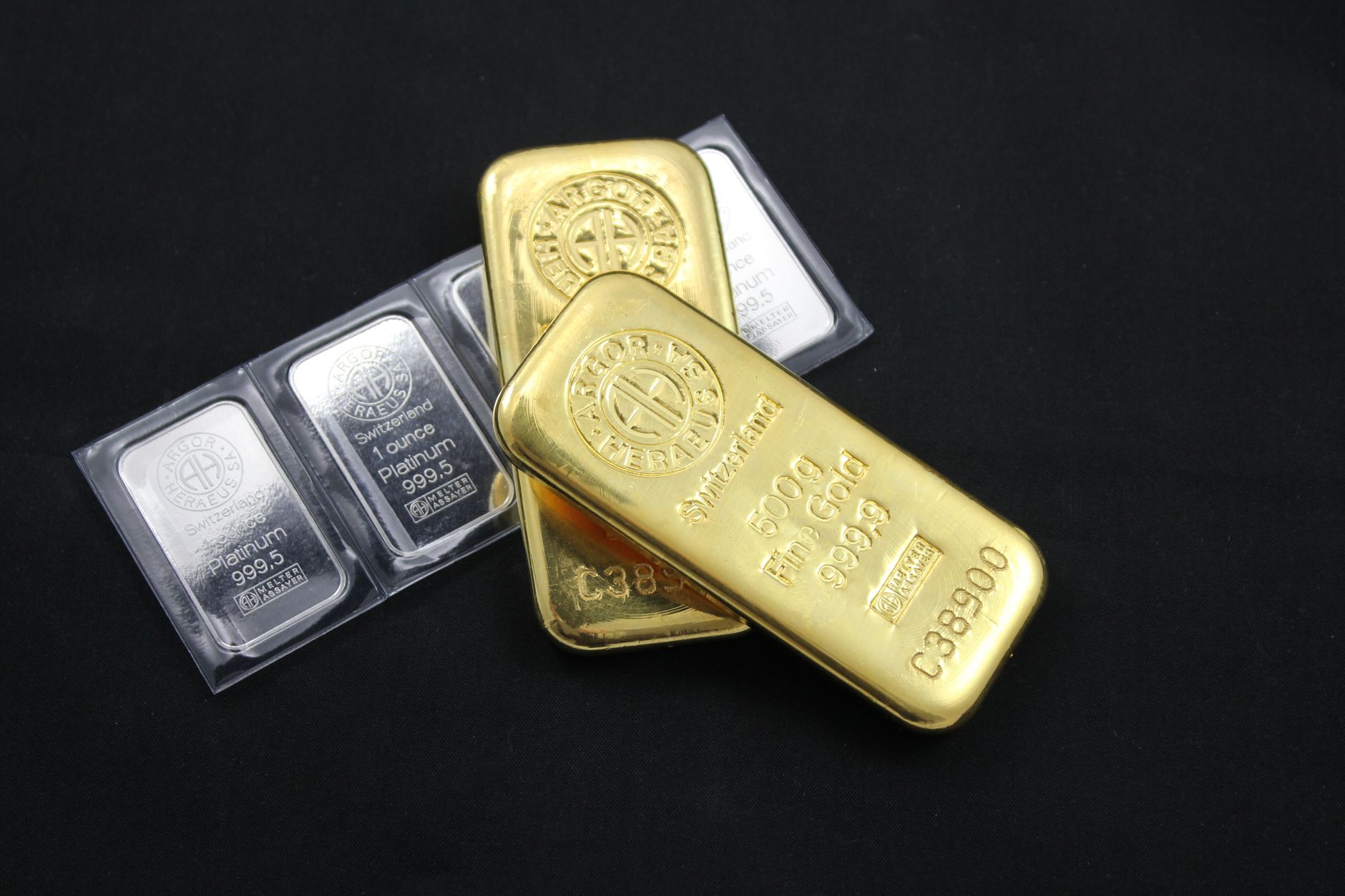
In early Asian trading on Monday, Aug. 31, both gold and silver posted declines, reflecting renewed geopolitical friction and rising financing costs. On the COMEX, gold futures slipped 0.91% to $4,488.60 per ounce, while silver fell 0.83% to $66.44 an ounce. The moves came as fresh fighting between the United States and Iran pushed crude oil higher and kept inflation concerns in the spotlight.
Precious Metals Slip Amid Geopolitical Tensions
The immediate catalyst for the price drop was a spike in oil markets. Brent futures rose 1.4% to $89.38 a barrel and U.S. crude climbed 1.3% to $84.50 a barrel after reports of renewed U.S.–Iran hostilities. Higher energy prices can feed broader inflationary pressures, which in turn may limit the Federal Reserve’s willingness to cut rates or could encourage a more prolonged period of elevated rates.
Higher oil prices also boosted the probability of a September rate hike by the Federal Reserve. Reuters data indicated that market participants now assign roughly a 57% chance to an increase in U.S. rates at the upcoming meeting. The prospect of tighter monetary policy adds to the upward pressure on Treasury yields, which rose sharply earlier in the week.
Gold had already been under pressure on Friday, Aug. 28, when it dropped 3.2% after U.S. Treasury yields surged following remarks by Federal Reserve Chair Kevin Warsh that focused investor attention on inflation risks. The combination of rising yields and a stronger U.S. dollar – both of which raise the opportunity cost of holding non‑yielding assets – weighed on the precious‑metal market.
Factors Pressuring Gold and Silver
Bond yields and the dollar’s strength are two additional forces that can suppress gold and silver prices. Because both metals are priced globally in U.S. dollars, a firmer greenback makes them more expensive for buyers using other currencies. At the same time, higher Treasury yields increase the appeal of interest‑bearing securities relative to assets that do not generate income.
Analysts highlighted that the current correction could deepen if upcoming U.S. jobs data, inflation figures, or the Fed’s September decision reinforce expectations of tighter policy. Conversely, softer labour‑market data or a decline in real yields could revive investment demand for the metals.
Medium‑Term Outlook and Market Sentiment
Despite the short‑term headwinds, market participants remain divided on the medium‑term trajectory for gold and silver. A bullish scenario, assigned a 25% probability, envisions gold reaching between $5,000 and $5,600 an ounce and silver climbing to $95‑$120 an ounce by year‑end. This outlook assumes that weaker labour‑market data would prompt the Fed to ease policy, that real yields would fall, and that investment demand for precious metals would strengthen.
The bearish case, given a 20% probability, projects gold in the $3,400‑$3,900 range and silver at $45‑$55 an ounce. This scenario could materialise if the Fed follows through with a September rate hike, oil prices retreat further, and weaker demand adds to disinflationary pressures.
Silver’s supply‑demand dynamics provide an additional layer of analysis. Monarch, a market‑research firm, expects the silver market to stay in deficit for a sixth consecutive year, noting that mine supply has been broadly flat for about a decade. The firm estimates that 762 million ounces have been drawn from above‑ground stocks since 2021, and it points to a relatively low level of registered physical inventory on COMEX compared with paper claims. Such a mismatch could amplify price moves if physical demand rises.
Investors are advised to monitor a set of near‑term variables: U.S. employment reports, inflation readings, Treasury yields, oil price trends, and the Federal Reserve’s September policy decision. These factors will likely determine whether the recent correction in gold and silver deepens into a longer‑term decline or gives way to another leg of a rally before the year closes.
All information presented reflects Reuters inputs and is intended for informational purposes only. Readers should seek professional advice before making any investment decisions.






Be First to Comment