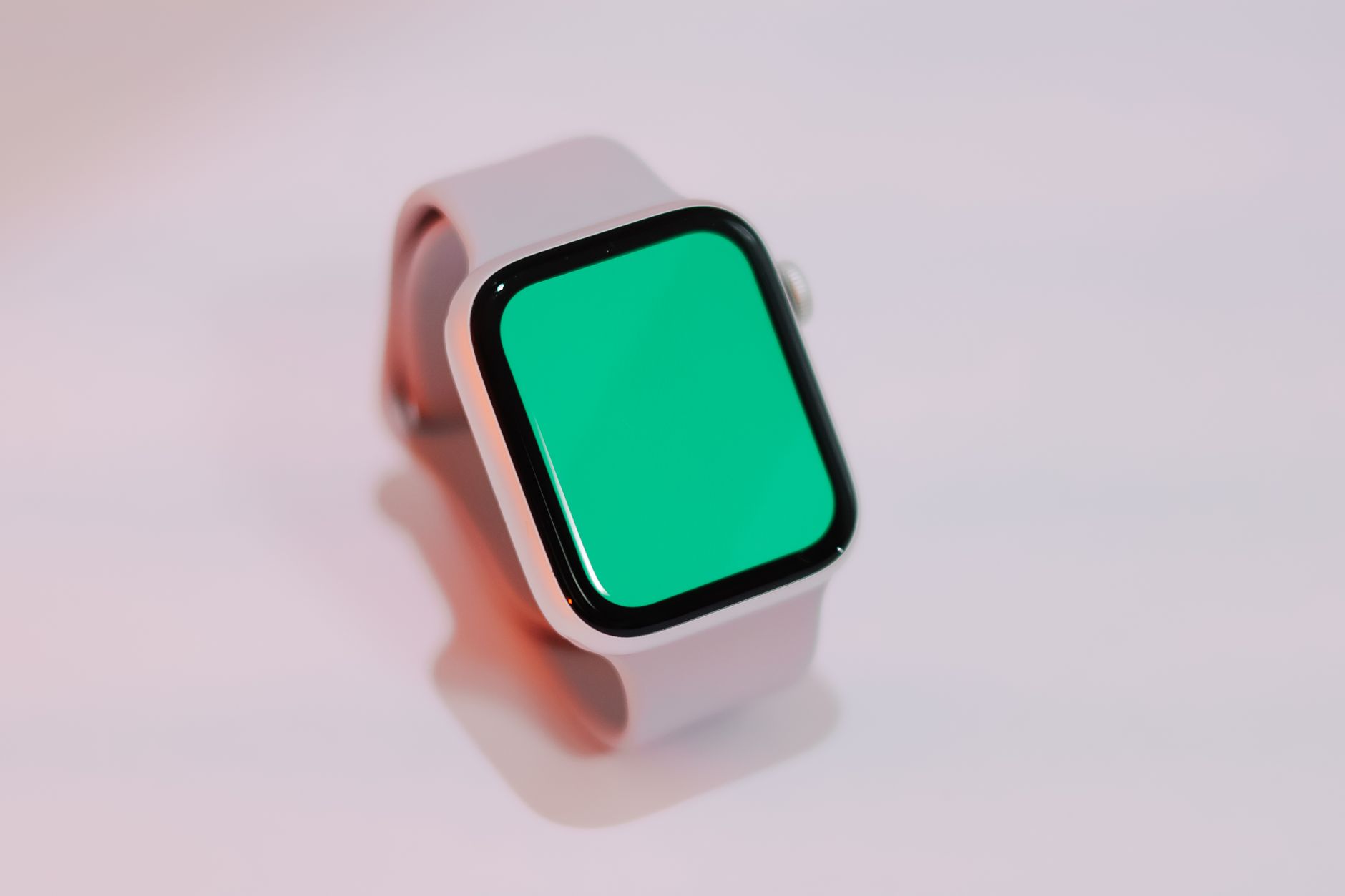
Samsung has introduced two new Android‑compatible smartwatches, the Galaxy Watch Ultra2 and the Galaxy Watch9, underscoring the South Korean maker’s continued dominance in the premium wearable segment. The devices arrive with a new Qualcomm chipset, refreshed designs and an expanded health and fitness suite, offering a clear generational step forward for the brand’s flagship line.
Hardware upgrades and Qualcomm chipset
The centerpiece of both watches is Qualcomm’s first flagship wearable processor, the Snapdragon SW6100 Wear Elite built on a 3‑nanometer process. Compared with earlier Snapdragon Wear W5+ and Wear 4100 chips, the SW6100 delivers up to five times faster single‑core performance, up to seven times faster graphics, a dedicated Hexagon neural processing unit for on‑device artificial intelligence, and roughly 30 % better power efficiency. Samsung’s shift from its in‑house Exynos W1000 series to the Snapdragon Wear Elite reflects a strategic optimisation of performance and battery charging speed.
Design, display and battery improvements
The Galaxy Watch Ultra2 retains its rugged aesthetic while slimming the case from 12.1 mm to 10.7 mm, a reduction that is noticeable on the wrist. Despite the thinner profile, Samsung has increased the battery capacity to 800 mAh, up from 590 mAh in the previous model, adding only about two grams of weight. The Ultra2’s display now reaches a peak brightness of 5,000 nits, well above the 3,000‑nit ceiling typical of most smartwatches, and can serve as a powerful flashlight. Samsung offers the Ultra2 in titanium‑silver and titanium‑grey finishes, complemented by accessories such as an orange Marine Band and a camel‑coloured PeakForm band.
The Galaxy Watch9 adopts a simpler, slimmer silhouette that echoes the design language of the Watch8. It is available in 40 mm and 44 mm sizes, each with a range of colour options and a broad selection of interchangeable bands. Battery capacity has been raised modestly, resulting in an additional two grams of weight, but the increase contributes to a noticeable stamina boost over the prior generation.
Software responsiveness, AI and health features
Both watches benefit from the new Snapdragon chip’s neural processing unit, which accelerates on‑device AI tasks. Users report faster app launches and smoother switching between applications, with the most pronounced improvement observed in Google Gemini interactions, where AI processing now occurs locally rather than relying on cloud resources. Samsung’s One UI Watch 9 has been tuned for longevity, with the company promising five years of software updates.
The health and activity suite has been expanded. The Ultra2 introduces trail‑run tracking, a daily cardio load metric and a fitness‑index matrix, while the Watch9 inherits the broader suite but does not include trail‑run detection. The platform analyses collected data against an individual baseline rather than generic standards, offering personalised suggestions after a week of wear.
Battery life reflects the hardware changes. The Ultra2 can sustain nearly seven days of use on a single charge, or just under five days when continuous sleep tracking is enabled. By contrast, the previous Galaxy Watch8 typically lasted two days, with modest gains when using raise‑to‑wake to conserve standby power. The Watch9’s battery stamina improvement is highlighted as a key generational upgrade, though Samsung does not specify exact endurance figures.
Pricing in India positions the Ultra2 as a premium offering at ₹64,999, while the Watch9 starts at ₹37,999 for the base model and ₹41,999 for LTE‑enabled variants. No direct Android‑based competitor matches the Ultra2’s feature set in the Indian market; the closest alternative is Apple’s Watch Ultra, which operates on a different ecosystem.
Competition for the Watch9 includes Google’s Pixel Watch 5, which remains closely aligned with the earlier Pixel Watch 4 in terms of specifications. While the Pixel Watch series shares the same chipset generation, Samsung’s battery enhancements and on‑device AI capabilities provide a differentiating factor. Analysts note that existing Galaxy Watch8 owners may see limited incentive to upgrade immediately, given the incremental nature of the changes.
Overall, Samsung’s latest releases reinforce its leadership in Android smartwatches through a combination of advanced silicon, refined ergonomics, brighter displays and a more intelligent health platform. The devices aim to cater to both extreme‑activity users, as exemplified by the Ultra2’s rugged build, and everyday consumers seeking a sleek, capable wearable.




Be First to Comment