Apple announced on Tuesday that John Ternus will assume the role of chief executive, succeeding Tim Cook after a 15‑year tenure. The change places a longtime hardware engineer at the helm of a company that dominates the smartphone market yet lags behind rivals in artificial intelligence.
From design desk to corporate summit
Ternus, 51, began his Apple career in 2001 as a member of the design team. Over two decades he rose to senior vice president of hardware engineering, a position that placed him in direct reporting line to Cook. In that capacity he oversaw the engineering groups responsible for the entire Apple product suite, including the iPhone line that accounts for the bulk of the firm’s revenue.
His résumé includes a bachelor’s degree in mechanical engineering from the University of Pennsylvania and an early stint as an engineer at Virtual Research Systems before joining Apple. Inside the organization, he is credited with initiatives that improved product durability, reliability and resilience, as well as design efforts that reduced the carbon footprint of Apple devices.
Key challenges: AI, China and Washington
Analysts stress that Ternus will inherit a set of intertwined challenges. First, Apple must accelerate its artificial‑intelligence strategy to keep pace with competitors. Dan Ives, partner at Yorkville Ives & Co., noted that while Cook left the company in “phenomenal order,” the next chapter will be defined by how the new CEO tackles AI.
Second, the company’s deep reliance on Chinese manufacturing presents a geopolitical dilemma. Apple’s supply chain, built over decades, is a sprawling network of hundreds of suppliers and assembly lines centered in China, even as the firm has begun shifting some iPhone assembly to India and other production to Vietnam. The diversification has been gradual, and China remains a major consumer market.
Third, the United States has repeatedly pressed Apple to relocate iPhone production to domestic soil, threatening tariffs on devices made abroad. During Trump’s administration, Apple avoided the harshest trade penalties by engaging directly with the president, making U.S. investment pledges and political contributions while simultaneously maintaining a working relationship with Beijing.
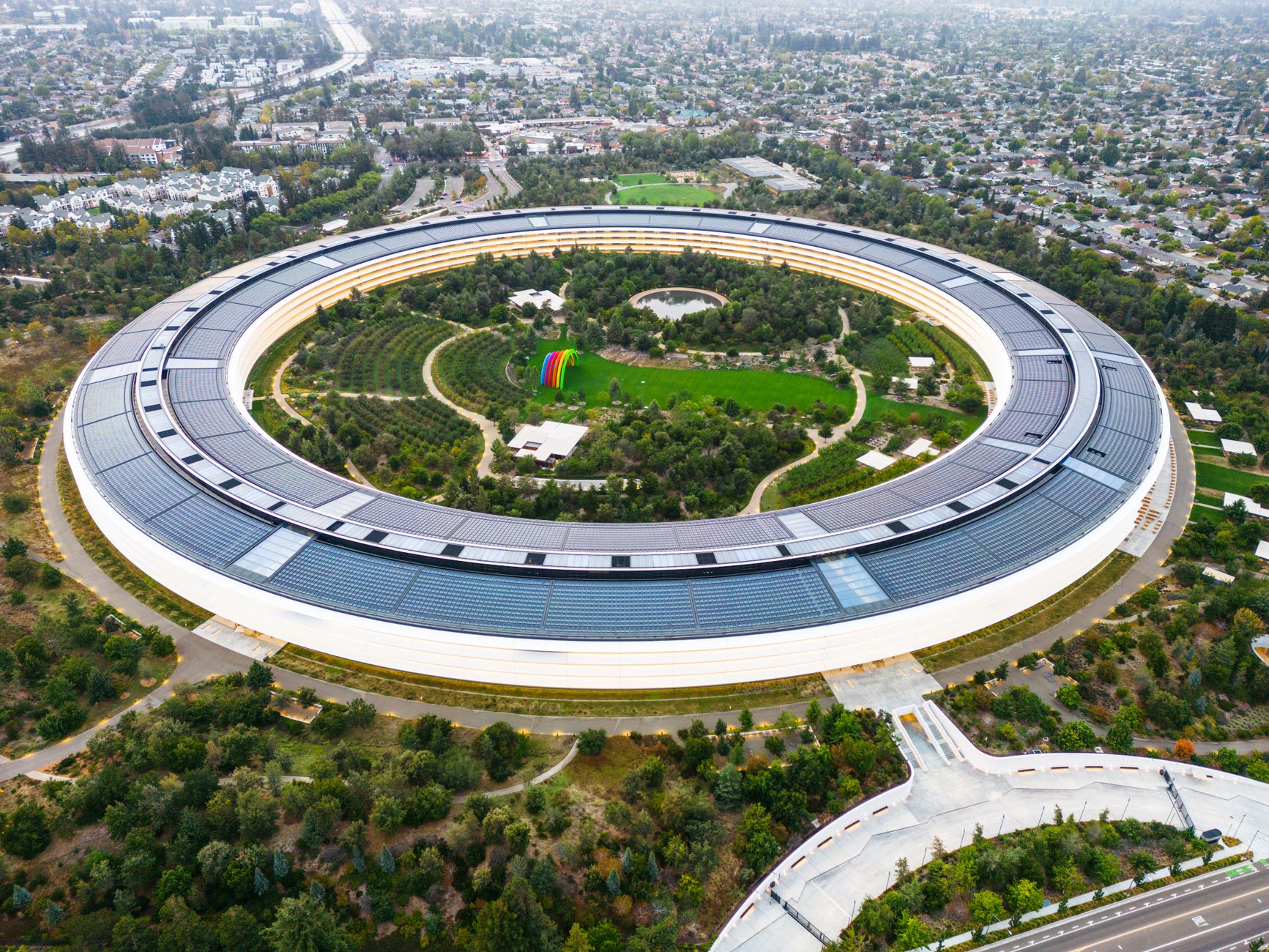
For Ternus, navigating this “global stage” will be a new learning curve. Ives observed that while Ternus knows Apple Park “like the back of his pocket” regarding hardware, his experience in high‑level political maneuvering is limited.
Strategic direction and analyst perspectives
Market commentators expect Ternus to lean on his hardware expertise rather than overhaul the existing supply‑chain model. Ives predicted that Ternus will focus on hardware innovation and leave Cook’s supply‑chain framework largely untouched, stating, “There’s no reason to fix what’s already working.”
Some voices argued that a software‑focused leader, such as chief software officer Craig Federighi, might have been a more logical choice for a firm racing to catch up in AI. However, Carolina Milanesi of Creative Strategies countered that consumer adoption patterns still prioritize hardware. She said, “Consumers are still buying hardware first, and it’s going to be like that for a long time. You’re not going to discover the value of AI if you’re not interested in the hardware.”
Cook’s own farewell memo to employees highlighted Ternus’s product‑building acumen, noting that few understand “what it takes to build products that change the world the way John does.” Milanesi added that the transition will test Ternus’s ability to expand his leadership scope, saying, “Even people that know him now don’t know him as a CEO… Your responsibility is bigger, your power is bigger.”
Cook will not depart entirely; he will become executive chairman of Apple’s board on the same day, with a mandate to engage policymakers worldwide. Milanesi described this arrangement as “clever,” suggesting it frees Ternus from duties that Cook had handled personally for years.
First test: a foldable iPhone
The upcoming September 9 Apple event, scheduled just eight days after Ternus officially assumes the CEO role, will serve as the inaugural public gauge of the transition. The company is expected to unveil its first foldable handset, a redesign that would mark the most significant product change in years. Milanesi framed the timing as intentional, stating, “This is a moment that they created for him.”
While the event will showcase hardware prowess, it will also signal how quickly Apple can integrate AI capabilities into its product ecosystem under Ternus’s leadership.
Overall, the leadership handover places a seasoned engineer at the forefront of a firm balancing dominant market share, an urgent need for AI advancement, and a delicate geopolitical supply‑chain equilibrium. How Ternus navigates these intersecting pressures will shape Apple’s trajectory in the coming years.





Be First to Comment