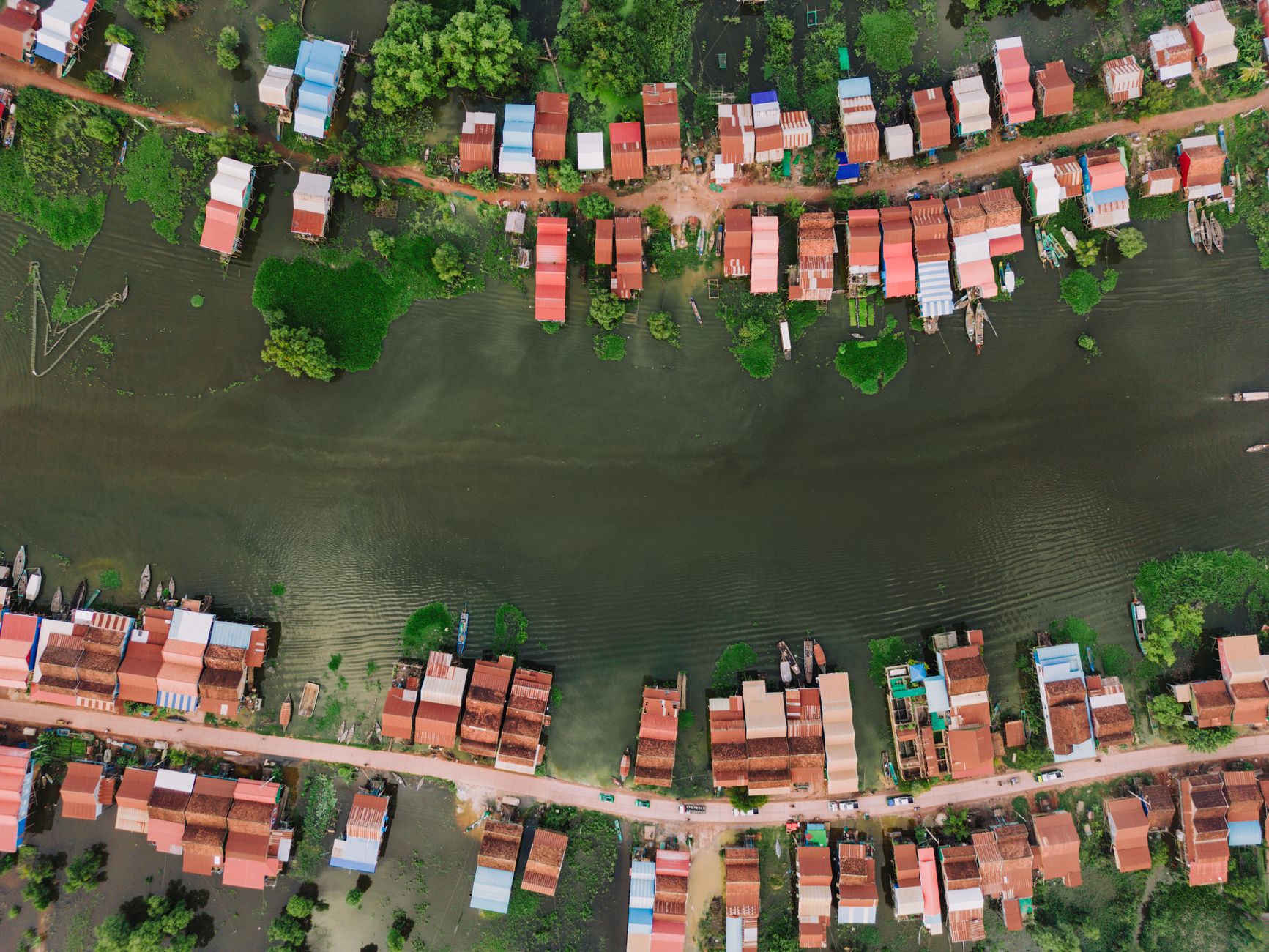
On September 1, 2026, the Dairy, Fisheries and Animal Resources Department of Bihar released a public advisory warning residents not to catch, purchase, sell or eat fish that appear “unfamiliar or unusual” in rivers receiving flood waters from Nepal. The caution comes as a massive flash flood in Nepal has caused hundreds of deaths and left many more missing, while the surge has pushed water into the Gandak (known as Narayani in Nepal), Ganga and Kosi rivers and their tributaries that flow through Bihar.
Background of the Nepal flash flood
The flash flood that struck Nepal in early September has been described as devastating, with large numbers of casualties reported across the affected Himalayan nation. As the swollen rivers cross the India‑Nepal border, they have raised the water level in several districts of Bihar to “danger marks.” Districts bordering Nepal—particularly East and West Champaran, Gopalgann, Bagaha and Saran—have seen the most pronounced rise in river levels, prompting concerns about water‑borne contamination and public health risks.
Reports of strange fish and health incidents
In the days following the flood, residents of the mentioned districts reported catching large, “strange‑looking” fish that differ from the species normally harvested in the region. Fishermen in Saharsha, Gopalganj and Bagaha described the catches as “giant, dolphin‑like” and noted that many of the fish die shortly after being hauled out of the water. Some locals who inadvertently ate such fish later reported feeling ill, prompting the department to act swiftly.
Specific accounts include a fisherman at Mangalpur ghat in Gopalganj, Chhatu Sahani, who said, “Some strange and unusual fish have been seen in the strong current in Bihar’s rivers after the flash flood in Nepal. We see such fish very rarely in our normal catch. Most of them die after they are caught.” Another fisherman, Vinod Nishad of Saharsha, listed the species he believes are being caught: “We are catching fish weighing 27‑38 kilos, even 40‑45 kilos… They are Nepali fish like barali (wallago catfish; Barilius barila), goita (goonch catfish; Bagarius yarrelli) and rohu (Labeo rohita) among other species.”
Details of the advisory
The advisory, issued by Bihar’s Dairy, Fisheries and Animal Resources Minister Nand Kishor Ram, emphasizes that the flood‑laden waters may have mixed river fish with sewage, dead animal remains and other contaminated substances. The department warned that such exposure raises the risk of bacterial, viral and other pathogen contamination, which could be harmful if the fish are consumed.
Key points of the advisory include:
- Do not consume any fish that are unfamiliar or unusual in appearance.
- Do not purchase, sell or transport such fish in markets.
- If a fish is caught and its identity is uncertain, immediately inform the district fisheries officer or local administration.
- Anyone experiencing symptoms such as vomiting, severe diarrhoea, dizziness, vertigo, stomach pain, breathing difficulty or any other unusual reaction after eating fish should seek medical attention at the nearest health centre or hospital.
The advisory also notes that the presence of decomposing human and animal carcasses in the flood waters has been reported by some fishermen, further underscoring the potential for disease transmission.
Public health guidance and next steps
Health officials have urged communities to remain vigilant and to follow the advisory strictly until the water levels recede and the rivers return to normal conditions. The department stresses that without verification from the concerned fisheries department, no unfamiliar fish should be consumed, regardless of size or appearance.
Local administrations in the affected districts have been instructed to coordinate with fisheries officials to identify any caught specimens that may pose a risk. The advisory calls for prompt reporting of any suspicious catches, enabling authorities to test and, if necessary, issue further warnings.
In addition to the health warnings, the department highlighted that the swollen rivers have touched danger marks in several locations, especially along the border districts. This hydrological situation not only threatens livelihoods dependent on fishing but also raises broader concerns about waterborne diseases and environmental contamination.
While the flood’s immediate impact on human life in Nepal remains tragic, the ripple effects across the border illustrate how natural disasters can quickly become transboundary public‑health challenges. Bihar’s proactive advisory aims to protect residents from secondary health hazards while relief and rescue operations continue in Nepal.
Authorities continue to monitor the situation, and further updates will be issued as more information becomes available about the condition of the rivers and the safety of fish caught therein.






Be First to Comment