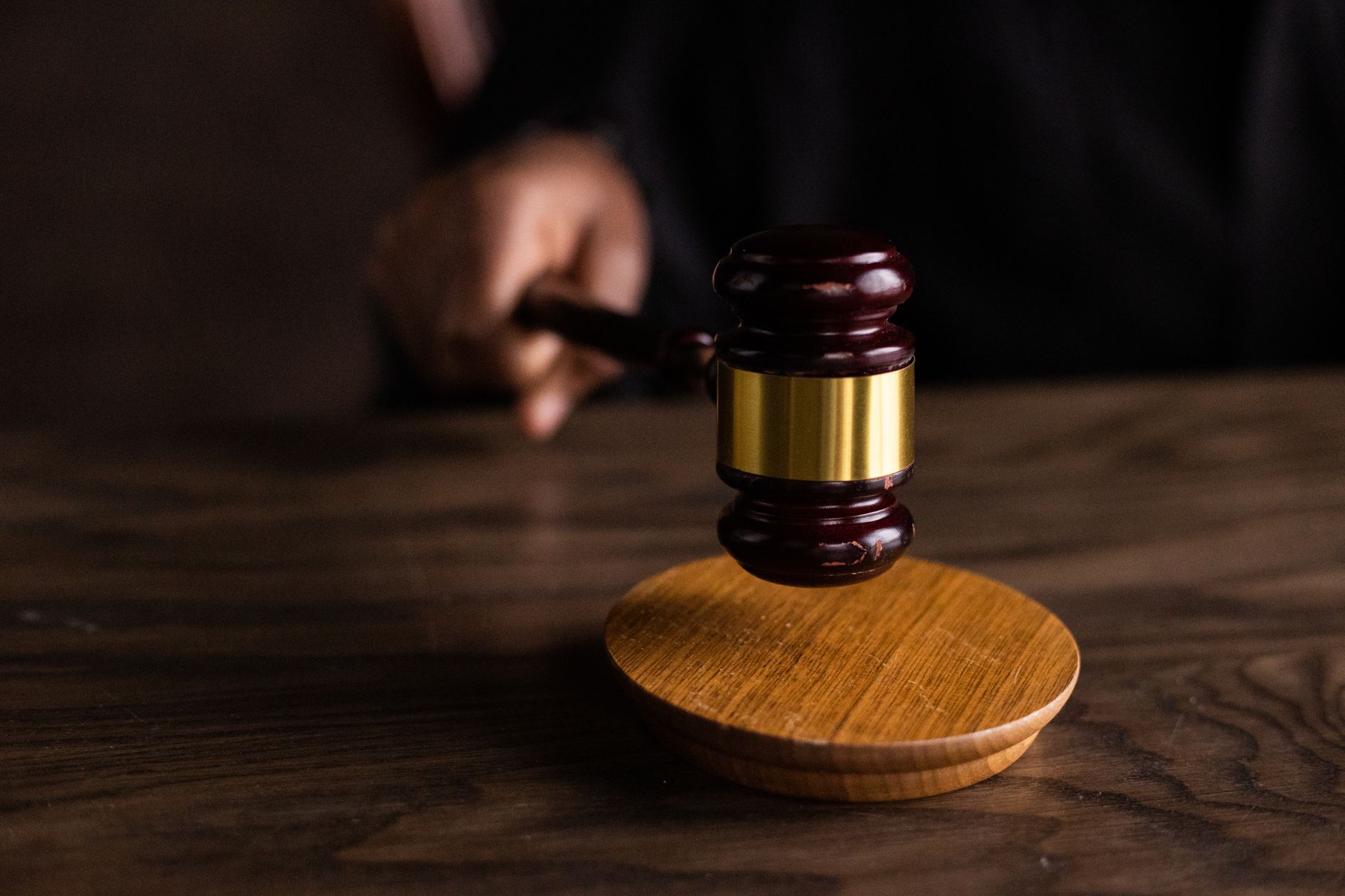
The Bombay High Court on Wednesday, September 2, issued an order directing the Central Bureau of Investigation (CBI) to take over the probe into the death of Disha Salian. Salian, who had previously worked as the manager of Bollywood actor Sushant Singh Rajput, died in June 2020 after falling from the 14th floor of a high‑rise building in the Malad suburb of Mumbai. The bench, comprising Justice Sarang Kotwal and Justice Ranjitsinha Bhonsale, acted on a petition filed by Salian’s father, Satish Salian, seeking a more thorough investigation.
Court Orders CBI Probe and Sets Procedural Safeguards
In its order, the division bench instructed the CBI to appoint a senior and experienced officer to lead the investigation. While granting this directive, the judges explicitly cautioned that no individual should be treated as an accused unless the investigating officer uncovers sufficient material to substantiate such a charge. The court further directed the investigating officer to file a chargesheet at the earliest if a cognizable offence is established. In the event that no such offence is found, the officer must submit appropriate closure proceedings before the competent court. Additionally, the court granted Satish Salian the liberty to file a protest petition against any subsequent decision.
Father’s Allegations and Legal Arguments
Satish Salian had previously approached the High Court, seeking the registration of a First Information Report (FIR) over what he described as a gang‑rape followed by murder of his daughter. Advocate Nilesh Ojha, representing the father, contended that the Mumbai Police had failed to share Disha’s post‑mortem report with the family for five years, releasing it only after the High Court intervention. Ojha also questioned why the police had not filed an FIR against Shiv Sena (UBT) leader Aditya Thackeray and other individuals named by the petitioner.
The petition highlighted that both Satish Salian and his wife had given recorded statements to the police on more than one occasion, yet no FIR was lodged. The father’s legal team argued that, under the Supreme Court’s Lalita Kumari judgment, the police are obligated to register an FIR when a cognizable offence is disclosed, irrespective of the outcome of any subsequent investigation.
Police and Prosecutor Response
The Maharashtra Government, through the Mumbai Police, maintained that there was no evidence to support a prosecution in Disha Salian’s death. Chief Public Prosecutor Shishir Hiray stated that the available evidence pointed to either suicide or an accidental fall from the building. Hiray further queried why Satish Salian had not raised suspicion at the time of the incident, especially given that both parents had provided statements to the police.
Senior advocate Sudeep Pasbola, appearing on behalf of Aditya Thackeray, vehemently opposed the petition, characterising the proceedings as politically motivated. He argued that the allegations lacked substantive proof and that the police’s conclusion of an accidental or self‑inflicted death was consistent with the forensic findings.
Judges’ Observations and Next Steps
During oral arguments, the bench observed that the father’s allegations could be either accurate or unfounded, but emphasized that the police should have filed an FIR and provided a definitive closure to the family. The judges noted that the police had continued inquiries into the Additional Death Report (ADR) for five to six years, a duration they found excessive.
Hiray clarified that the ADR was initially closed in October 2020, shortly after the death, and was reopened only after the newly elected state government took note of social‑media allegations concerning the handling of the original probe. Subsequent inquiries, according to Hiray, failed to uncover any strong evidence that would warrant murder charges.
The court’s order, recorded under the case title Satish Salian vs State of Maharashtra (Writ Petition 1612 of 2025), now places the CBI in charge of the investigation. The CBI’s senior officer will be expected to review all existing material, including the post‑mortem report, police statements, and any newly surfaced evidence, before determining whether a cognizable offence exists. Until such a determination is made, the court has instructed that no individual be publicly labelled as an accused.
Satish Salian’s petition underscores a broader demand for transparency and accountability in high‑profile death investigations in India. By directing the CBI to take over and by mandating procedural safeguards, the Bombay High Court seeks to balance the father’s quest for justice with the legal principle that accusations must be grounded in demonstrable evidence.





Be First to Comment