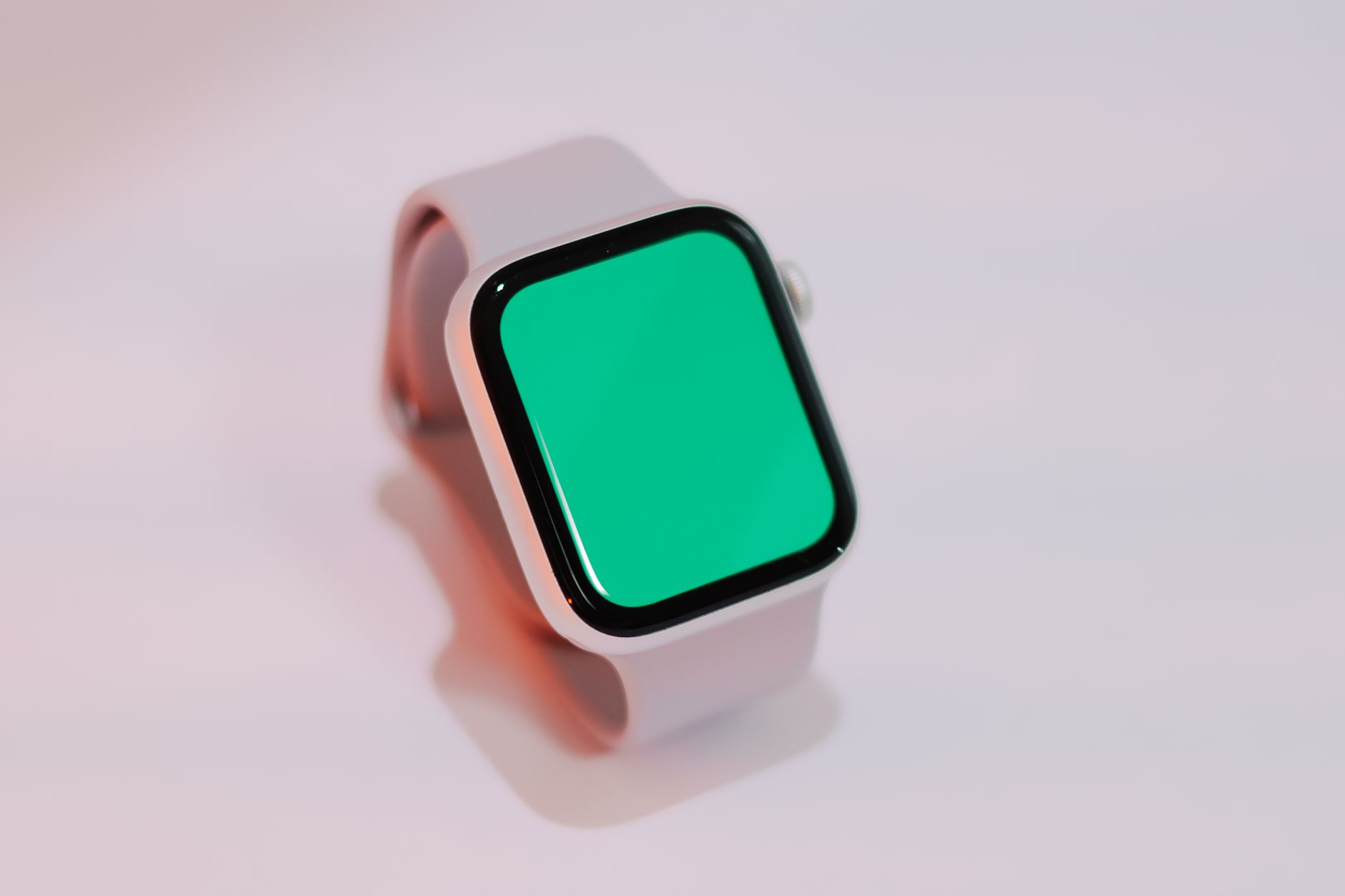
Samsung has added the Galaxy Watch 9 to its lineup of standard Wear OS smartwatches, keeping the familiar circular‑squircle silhouette while introducing a new Snapdragon Wear Elite processor and a suite of health‑focused updates. In India the 40 mm Bluetooth model starts at ₹37,999, with a larger 44 mm version and LTE‑enabled variants also on sale. In the United States the 40 mm Bluetooth edition is priced at $379.99 and the 44 mm at $429.99. The device runs Wear OS 7 with Samsung’s One UI 9 Watch overlay, promising smoother performance and a richer Samsung Health experience.
Design, Display and Build
The Watch 9 retains the recognizable Galaxy Watch shape, with the 40 mm model measuring 42.7 × 40.4 × 8.6 mm and weighing just 31.5 g. The larger 44 mm version is 46 × 43.7 × 8.6 mm and tips the scales at 34 g. Both sizes feature an aluminum case, IP68 water resistance, a 5 ATM rating and MIL‑STD‑810H durability certification. Samsung continues to protect the screen with sapphire crystal, and the Super AMOLED panels deliver up to 3,000 nits of brightness. The 40 mm display is 1.34 inches with a 438 × 438 pixel resolution, while the 44 mm offers a 1.47‑inch panel at 480 × 480 pixels, both refreshed at 60 Hz.
Bundled with the watch is a redesigned silicone band that incorporates an air‑pocket structure, making it roughly 17 % lighter and softer than the previous generation’s strap. Reviewers noted the comfort of the band during all‑day wear and sleep, though the default S/M size may feel tight for wrists at the lower end of Samsung’s 130–190 mm recommendation. The 20 mm Dynamic Lug System remains, allowing owners to swap in compatible bands from the Galaxy Watch 8 lineup.
Performance, Software and Connectivity
Under the hood, the Galaxy Watch 9 is powered by Qualcomm’s Snapdragon SW6100 Wear Elite chipset, built on a 3 nm process and featuring a pent‑core CPU paired with an Adreno A622 GPU. Samsung and Qualcomm claim the new silicon delivers up to five times the CPU performance and seven times the GPU performance of the Exynos W1000 used in earlier models. In practice, apps launch quickly, Samsung Health dashboards render without lag, and the Play Store feels more responsive than on many competing Wear OS devices. The watch stays comfortably cool even during extended GPS‑tracked workouts, a notable improvement over prior Samsung wearables that tended to warm up.
One UI 9 Watch, layered on Wear OS 7, provides a familiar Android experience with Google Maps, Wallet, the Play Store and Samsung’s own app ecosystem all accessible from the watch face. Notifications are grouped by app, and a “Now Bar” gives quick shortcuts to active tasks such as timers, music playback or ongoing workouts. Navigation relies on a touchscreen, two side buttons and a suite of gestures, including a double‑pinch for dismissing calls or scrolling when the other hand is occupied. The rotating bezel of the Classic model has been replaced by a virtual bezel, which reviewers found easy to adapt to.
Connectivity options include Bluetooth 6.0, dual‑band Wi‑Fi, NFC for Samsung Wallet payments, and dual‑frequency GPS (L1 + L5). An LTE variant is also offered for users who prefer independent cellular connectivity. The watch pairs with Android 13 or newer devices via the Galaxy Wearable app; however, certain health features such as ECG, blood‑pressure monitoring and sleep‑apnea detection require a Samsung phone. There is no support for iPhone, limiting the device to the Android ecosystem.
Health and Fitness Capabilities
Samsung has expanded the health suite on the Watch 9 with new metrics such as Daily Cardio Load, Heart Health Score, Vitals and refined sleep tracking. The 3‑in‑1 BioActive sensor combines PPG heart‑rate monitoring, ECG and bio‑impedance analysis (BIA), while additional sensors capture skin temperature, accelerometer, gyroscope, barometer, geomagnetic and ambient light data. Daily use reveals that sleep tracking provides detailed stage breakdowns and latency figures that align with user perception, though the review did not include a third‑party comparison to quantify accuracy.
Auto‑workout detection works reliably, automatically recognizing gym sessions without manual activation. Calorie estimates tend to be on the higher side, and step counts occasionally overshoot, a pattern noted across multiple activities. Body‑composition readings from the BIA sensor showed noticeable variation—ranging from 7 % to 10 % body‑fat over a week—while an external measurement placed the reviewer closer to 17 %, suggesting the need for cautious interpretation of BIA data on consumer‑grade devices.
Other health‑related features include a Heart Health Score, VO2 max, Energy Score and SpO2 monitoring, all integrated into Samsung Health. The platform does not require a subscription, and the data syncs seamlessly with compatible Android phones. Users can also access Samsung Wallet for NFC payments and benefit from a five‑year commitment to major OS and security updates, as well as 32 GB of internal storage for apps and media.
Battery life remains modest, delivering roughly one to one and a half days of mixed‑use before needing a recharge. The 40 mm model houses a 390 mAh cell, while the 44 mm version contains a 445 mAh battery. Charging is performed via a 10 W proprietary wireless puck, but reviewers described the charging speed as slower than expected.
Overall, the Galaxy Watch 9 presents a well‑rounded smartwatch experience that builds on Samsung’s established design language while delivering a noticeable performance uplift through the Snapdragon Wear Elite processor. The device shines in health tracking, display quality and software smoothness, but its limited battery endurance and slower charging may deter power‑hungry users. Pros include fast UI response, excellent sleep insights, comfortable wear, bright AMOLED screen and robust health metrics without a subscription. Cons noted are the average one‑day battery life, slow charging, occasional high calorie estimates, variability in BIA readings and the requirement of a Samsung phone for certain advanced health functions.





Be First to Comment