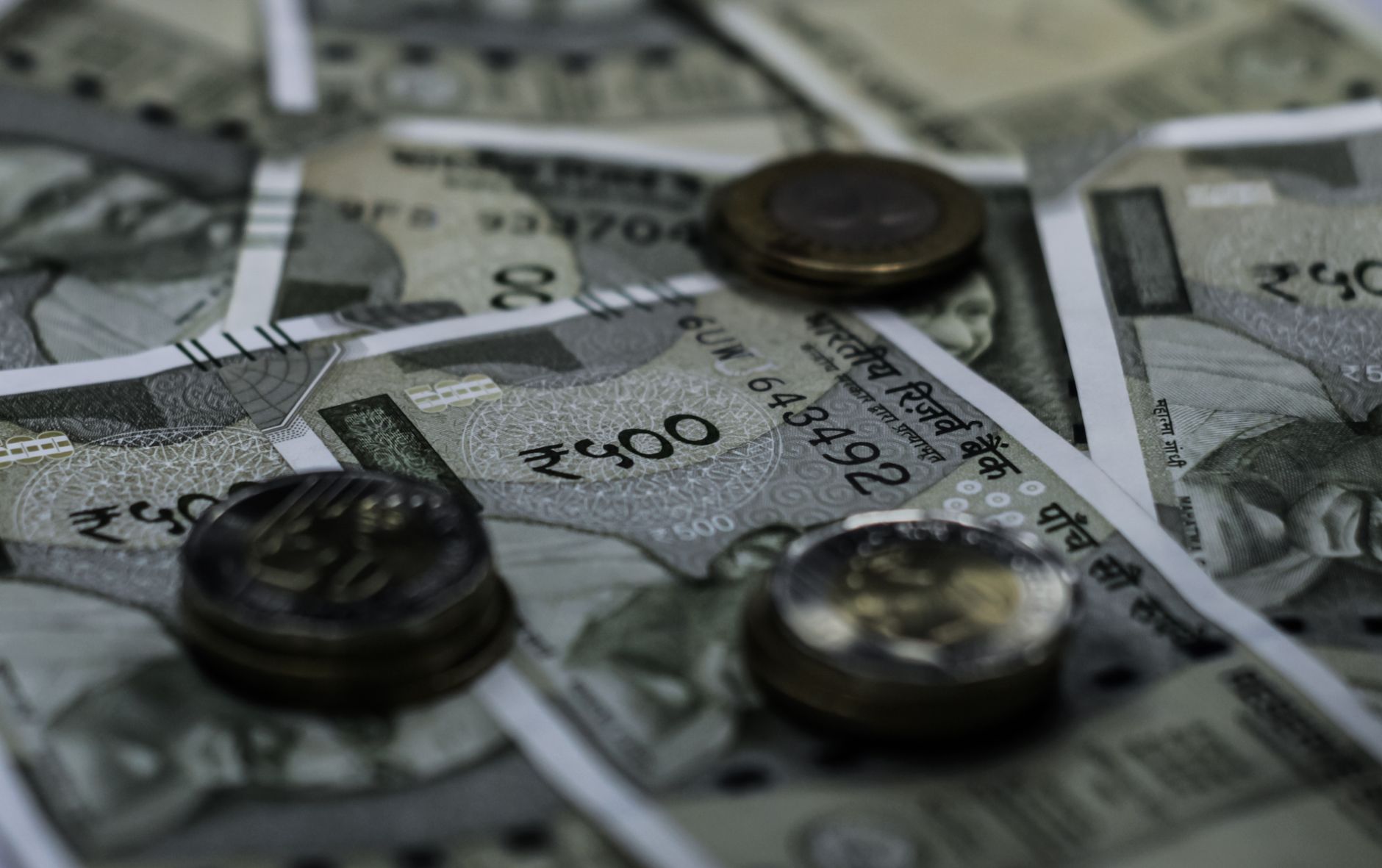
India’s economy posted a 7.8% expansion in the first quarter, a figure that far exceeded most forecasts and prompted Prime Minister Narendra Modi to celebrate the result on X. The surge arrived at a time when the government faces criticism over student protests on exam paper leaks and rising youth unemployment, making the growth print a potential political boost.
Economists attribute the robust performance to a combination of fiscal stimulus, a weakening rupee and a rapid rebound in private investment. Sajjid Chinoy, chief India economist at JP Morgan, said the country’s “cyclical growth recovery” had been evident for six months, driven by direct tax cuts implemented in February of the previous year, a reduction in consumption taxes in September, and a 1.5‑percentage‑point decline in interest rates since early 2025. Chinoy told India Today that the government’s swift diversification of energy imports after the Hormuz Strait blockade helped insulate the recovery from the broader Middle East oil shock.
Drivers behind the surprising growth
Export performance was a key catalyst. Trade data showed a 12% jump in exports despite ongoing tariff uncertainties. Analysts noted that a roughly 15% depreciation of the rupee against the U.S. dollar may have enhanced the price competitiveness of Indian goods abroad, fueling demand.
Domestic private investment also picked up. Gross fixed capital formation – a core gauge of both public and private spending on infrastructure – rose nearly 12% in the first three months of the year. Madan Sabnavis, chief economist at the state‑run Bank of Baroda, told the BBC that recent corporate announcements point to heightened investment intentions, especially in data centres, renewable‑energy projects and metals. While he cautioned that the surge is not yet broad‑based, he described it as a sign of a pickup in private sector confidence.
The combination of stronger exports and heightened capital spending helped several private brokerages lift their full‑year growth forecasts. Yet the positive numbers did not translate into a rally in Indian equity markets, which largely ignored the data.
Questions over data credibility and future outlook
Despite the upbeat headline, the growth figure ignited a fierce debate over its reliability. Opposition leader Jairam Ramesh dismissed the statistic as “statistical gymnastics,” accusing the government of repeatedly tweaking methodology to mask what he termed India’s “dire economic reality.” A former finance secretary echoed these concerns, suggesting that the surge partly stemmed from newly revised historical data and a lower base year for comparison. The government rejected the criticism, noting that revisions are a normal part of GDP calculation.
Support for the revised series came from Neelkanth Mishra, the World Bank’s executive director for India, who said the new GDP series “cleaned up the data and also significantly improved the methodology,” thereby enhancing credibility. However, the same revisions have also lowered past GDP estimates, which makes the current growth rate appear larger than it would have under the older series.
Former Reserve Bank of India governor Raghuram Rajan questioned whether such rapid growth is translating into broader employment gains or attracting foreign direct investment, both of which remain modest. The lack of a corresponding jobs surge adds to skepticism about the sustainability of the headline figure.
Beyond methodological disputes, several structural challenges could temper future performance. HSBC warned that government spending is likely to ease in the coming months as fiscal targets tighten, and the impact of recent goods and services tax cuts on consumption may fade. Meanwhile, a sub‑par monsoon and El Niño‑like conditions have left cumulative rainfall 13% below the long‑period average as of 27 August, according to meteorological data. CareEdge, a rating agency, highlighted the risk this poses to agriculture, rural demand and food‑price inflation.
Indeed, price spikes in staple items such as sugar and onions have already prompted the government to dispatch special trains to urban markets. Retail inflation reached a 15‑month high of 3.9% in May, and economists expect further increases that could push inflation toward the upper end of the Reserve Bank of India’s comfort range, especially if the weak monsoon persists.
Brokerages, taking a cautious stance, are forecasting a rise in borrowing costs. They cite not only domestic inflation pressures but also the prospect of slower global growth, which could dampen export demand, as well as higher input and energy costs linked to volatile geopolitics. These factors suggest that the current growth surge—whether fully credible or partly a statistical artifact—may be approaching its limit.
In summary, India’s 7.8% first‑quarter GDP growth presents a mixed picture: a notable short‑term boost that appears to have weathered external oil market shocks, but one that is shadowed by questions over data revisions, uneven job creation, and looming agricultural and inflationary risks.






Be First to Comment