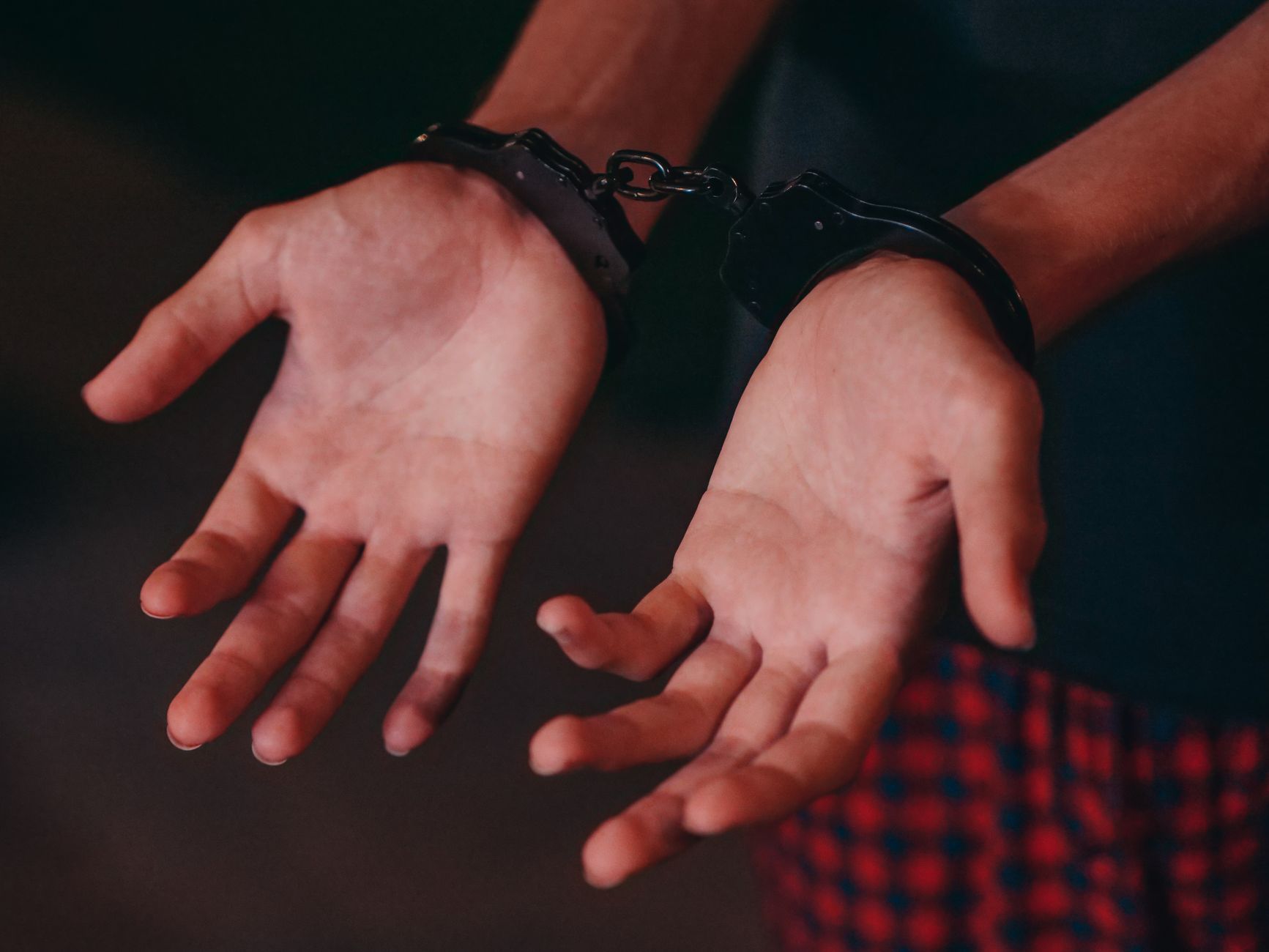
Delhi‑based social media influencer Swatantra Bhardwaj was apprehended by police in Bulandshahr, Uttar Pradesh, on Friday following the registration of a fresh First Information Report (FIR) under the Protection of Children from Sexual Offences (POCSO) Act. The new FIR also incorporated relevant sections of the Scheduled Castes and Scheduled Tribes (SC/ST) Act, augmenting charges that had already been filed in connection with an assault that occurred during a protest organized by the Campaign for Justice (CJP) on 7 July at Jantar Mantar.
Background of the protest and assault allegations
During the CJP demonstration, Bhardwaj allegedly struck the father of a minor activist, a claim he later publicised on his social‑media channels. In a video posted after the protest, he boasted of having “cracked the skull” of the father and suggested that his release from any prior detention was due to “political connections”. The minor activist subsequently reported verbal abuse and threats of rape after filing an FIR that named Bhardwaj as the assailant. She described the aftermath as a period during which she felt unsafe, unable to attend school and subject to community judgment, and expressed hope that police would take decisive action.
Following the incident, CJP co‑conveners Saurav Das and Ashutosh Ranka, supported by other activists and a handful of politicians, visited the Parliament Street police station in Delhi to demand that stricter sections be added to the case. Their appeal coincided with a promise from Delhi Police that Bhardwaj would be arrested within 72 hours.
Bhardwaj’s attempt to evade arrest
According to residents of Naithla village in Bulandshahr, Bhardwaj arrived in the district early on Friday, allegedly to avoid detention. He took refuge in the home of Harishankar Sharma, a local cab driver who works in the Delhi‑NCR region. Sharma recounted that Bhardwaj contacted him in advance, stating his intention to meet, and arrived early in the morning accompanied by another man. Initially, Sharma did not suspect any wrongdoing, but the arrival of several journalists in the village raised his concerns.
While staying at Sharma’s house, Bhardwaj interacted with a few journalists and reiterated his claims about the assault at the Jantar Mantar protest. At one point, he asked Sharma to lend him a motorcycle, insisting he would return it “within five minutes”. Sharma later learned from the media that Delhi Police had detained Bhardwaj, though he admitted he remained unclear about the specifics of the criminal case in the capital.
Sharma told ANI that Bhardwaj remained at his residence until about 2 pm, when officers from the Delhi Crime Branch arrived. “They said, ‘We are from the crime branch; Swatantra, come with us,’” Sharma said, describing the officers’ removal of Bhardwaj from his home.
Another villager, Shamshuddin Saifi, noted that suspicion grew when a car carrying three men in plainclothes was spotted. When questioned, the occupants identified themselves as police. Saifi later heard that Bhardwaj had been taken from Dhameda Nara village, another locality within Bulandshahr.
Police coordination and local response
Local law‑enforcement officials said they became aware of Bhardwaj’s presence through WhatsApp media groups that circulated his location. Sikandrabad Circle Officer Deepak Kumar said a police team was dispatched promptly, but by the time the officers reached the area, Bhardwaj had already left the immediate location. Kumar added that Delhi Police officers did not record their arrival at the local station, suggesting a lack of formal hand‑over documentation.
The Crime Branch’s involvement indicates inter‑state cooperation between Delhi and Uttar Pradesh police agencies. While Delhi Police had previously assured that Bhardwaj would be arrested within three days, the fresh FIR under the POCSO Act and the addition of SC/ST provisions underscore a heightened legal response to the allegations.
Profile of the accused
Publicly available information on Bhardwaj’s social‑media profiles indicates he is originally from Bihar and is in his early twenties. He currently resides in Delhi, where he is pursuing studies and preparing for government service examinations. His educational background includes schooling completed in Patna before relocating to the national capital.
On his online channels, Bhardwaj describes himself as a “Sanatani Yoddha” and has amassed a sizable following. His content includes provocative videos and material that has been characterized as hateful. The influencer’s self‑portrayal and digital reach have drawn attention from both supporters and critics, particularly in the wake of the assault allegations.
The arrest in Bulandshahr marks a significant development in a case that has attracted national media coverage, political commentary, and activist involvement. The inclusion of the POCSO Act suggests that authorities are treating the alleged assault with particular seriousness, given the victim’s status as a minor’s parent. The added SC/ST provisions may reflect concerns about the alleged victim’s caste status, although the source does not specify details.
As the investigation proceeds, the minor activist’s statements about harassment and threats remain a focal point for civil‑rights observers. Her testimony highlights the broader social repercussions that can follow high‑profile incidents involving public figures and political protests.
Further updates are expected as the case moves through the judicial process, with both Delhi and Uttar Pradesh police agencies likely to continue coordination. The outcome may also influence ongoing debates about influencer accountability, the role of social media in inciting violence, and the application of protective legislation for children and marginalized communities.





Be First to Comment