Apple announced its first foldable smartphone, the iPhone Duo, during a special event on September 9, 2026 at Apple Park in California. The product was presented by Apple’s newly appointed chief executive, John Ternus, who framed the device as an “Intelligent personal hub” built around a powerful processor, pervasive networking, a large display, high‑quality cameras and microphones, strong battery life, an intuitive user interface and seamless integration with other Apple devices.
Senior Vice President of Worldwide Marketing Greg Joswiak, known within the company as “Joz,” described the Duo as “the most transformational iPhone experience since the original.” The launch marks Apple’s entry into a foldable‑phone market that has been led by competitors such as Samsung and Motorola since 2019. Rather than positioning the Duo as a first‑of‑its‑kind device, Apple emphasized that it aims to be the best‑in‑class version of a foldable phone, leveraging decades of experience from the iPhone and iPad product lines.
Design and Build: Size, Materials and Durability
When opened, the iPhone Duo becomes the thinnest smartphone Apple has ever produced, featuring a 7.6‑inch Super Retina XDR display. Apple notes that the screen is roughly 80 percent larger than the displays on the iPhone 18 Pro and iPhone 17 Pro, yet it remains about 90 percent the size of the 8.3‑inch iPad mini 7 released in 2024. The device’s outer display measures 5.4 inches when closed, giving the phone a footprint comparable to a standard passport and enabling one‑handed operation.
Both the inner and outer screens are capable of reaching 3000 nits of peak outdoor brightness and are finished with a nano‑texture coating designed to reduce glare. Central to the folding mechanism is a hinge composed of more than 100 individual components that precisely control opening, closing and support of the display. The hinge cover is 3D‑printed from 100 percent recycled aluminium and finished with a micro‑blasted texture.
The phone’s chassis is constructed from grade‑5 titanium, available in “Star White” and “Night Sky” colourways, and carries an IP68 rating for water and dust resistance. Apple’s proprietary Ceramic Shield protects both the front and back surfaces, extending the durability standards that have become synonymous with the brand.
iOS 27 and New Interaction Paradigms
Running on iOS 27, the iPhone Duo adapts its software to the expanded canvas offered by the foldable form factor. The operating system introduces an adaptive self‑orientation system and an upgraded StandBy mode that can be personalized for each display. The navigation bar, Dynamic Island and Dock shift to a vertical layout when the device is opened, maximizing usable vertical space.
Split View, previously exclusive to iPadOS, is now available on iPhone, allowing two apps to be displayed side‑by‑side. Apple’s own applications have been optimized for this new layout, and third‑party developers such as Netflix, Zoom and Slack have also reconfigured their apps to take advantage of the dual‑screen experience.
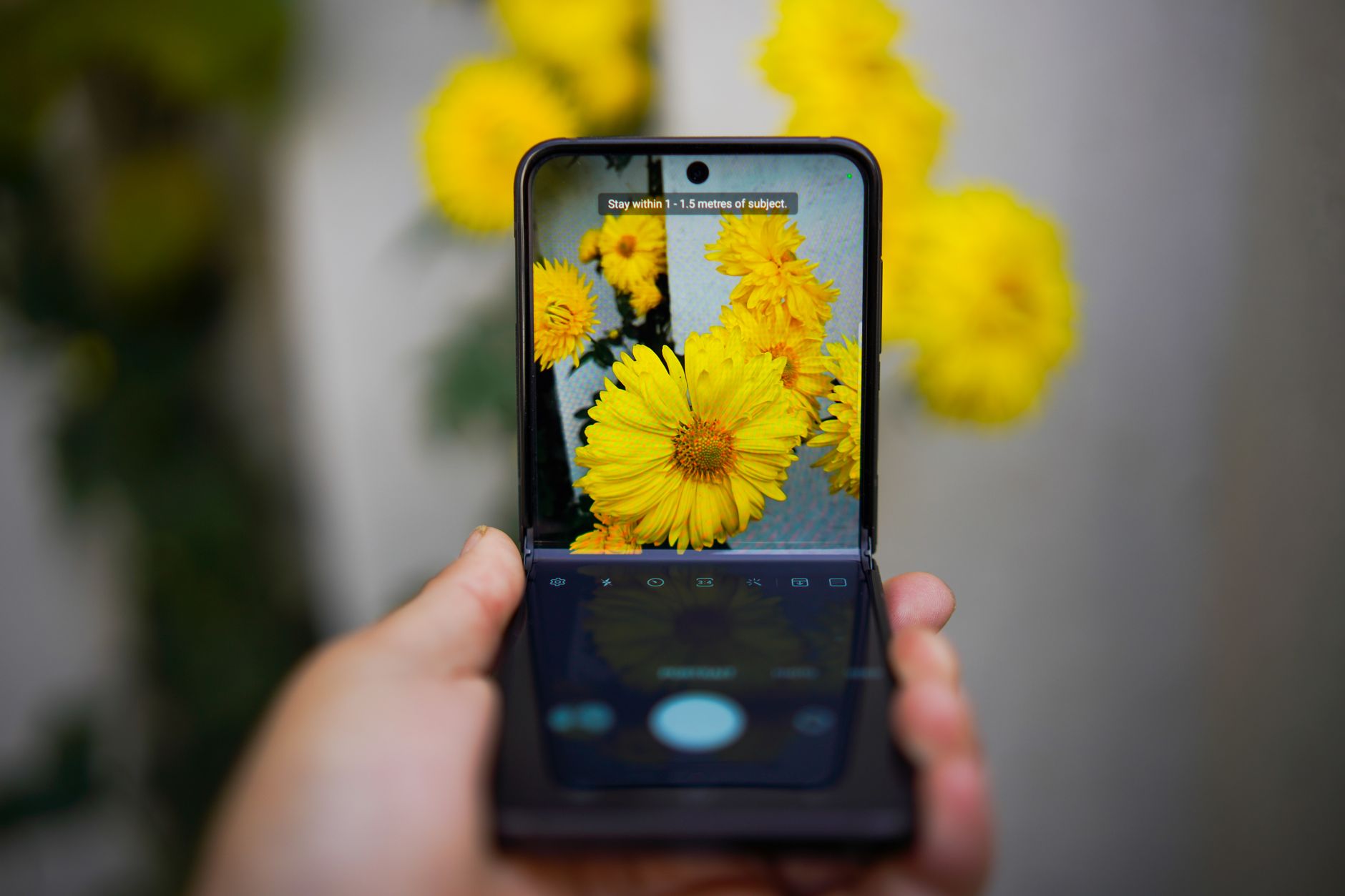
Camera functionality receives notable attention. The back of the Duo houses a 48‑megapixel Fusion Main camera paired with an Ultra‑Wide lens. The front‑facing FaceTime camera is concealed behind the inner display and becomes visible only when active. A feature called Smart Take lets users preview selfies on the outer display, while Duo FaceTime enables a call to run simultaneously across both camera sides.
Hardware Power, Battery and Pricing
Under the hood, the iPhone Duo is powered by Apple’s A20 Pro chip, the same processor used in the iPhone 18 Pro and Pro Max. To manage the thermal demands of intensive AI workloads, the chip is paired with a custom‑designed vapor‑chamber cooling system. The device also incorporates a dual‑architecture battery that provides all‑day usage and supports fast charging.
iOS 27 introduces Siri AI, an evolution of Apple’s personal assistant that draws on user‑specific context via Apple Intelligence and on‑screen awareness to deliver a more integrated experience.
Apple has set the starting price for the iPhone Duo at $1,999 for the 256 GB storage configuration, placing the phone at the high end of the smartphone market and edging into luxury territory. The company suggests that the Duo’s pocket‑friendly size and compatibility with the Apple Pencil, expected later in the year, will position it as a competitor not only to other foldables but also to the iPad mini and future iPad models.
The launch reflects Apple’s awareness of its historical role in redefining consumer technology. When Steve Jobs introduced the original iPhone in 2007, the device introduced breakthrough interaction concepts such as pinch‑to‑zoom that have since become ubiquitous. Apple’s decision to drop the word “computer” from its corporate name after that launch signaled a broader ambition to shape new market segments. Joswiak’s claim that the iPhone Duo could be a watershed moment for the brand implies that Apple expects the device to serve as a foundation for future innovations across its product ecosystem.
As the company rolls out the iPhone Duo, analysts will watch how the combination of premium materials, a high‑brightness dual‑display, a robust hinge and a re‑imagined iOS experience resonates with consumers accustomed to existing foldable offerings from Samsung and Motorola. The device’s price point, material choices and integration with Apple’s broader ecosystem will likely determine whether the Duo becomes a niche luxury product or a new benchmark for foldable smartphones.





Be First to Comment