Roughly a year and a half ago, Sanju Samson stepped aside to allow a 14‑year‑old Vaibhav Sooryavanshi to make his Indian Premier League (IPL) debut for the Rajasthan Royals. The youngster’s arrival coincided with the Royals losing their captain to injury late in the 2025 season, creating an unexpected opening for Sooryavanshi. He seized the chance immediately, notching a century in only his third match and earning a permanent spot at the top of the order. When Samson returned, the team retained Sooryavanshi as an opener and shifted Samson down to the No. 3 position.
From Mentor to Competitor
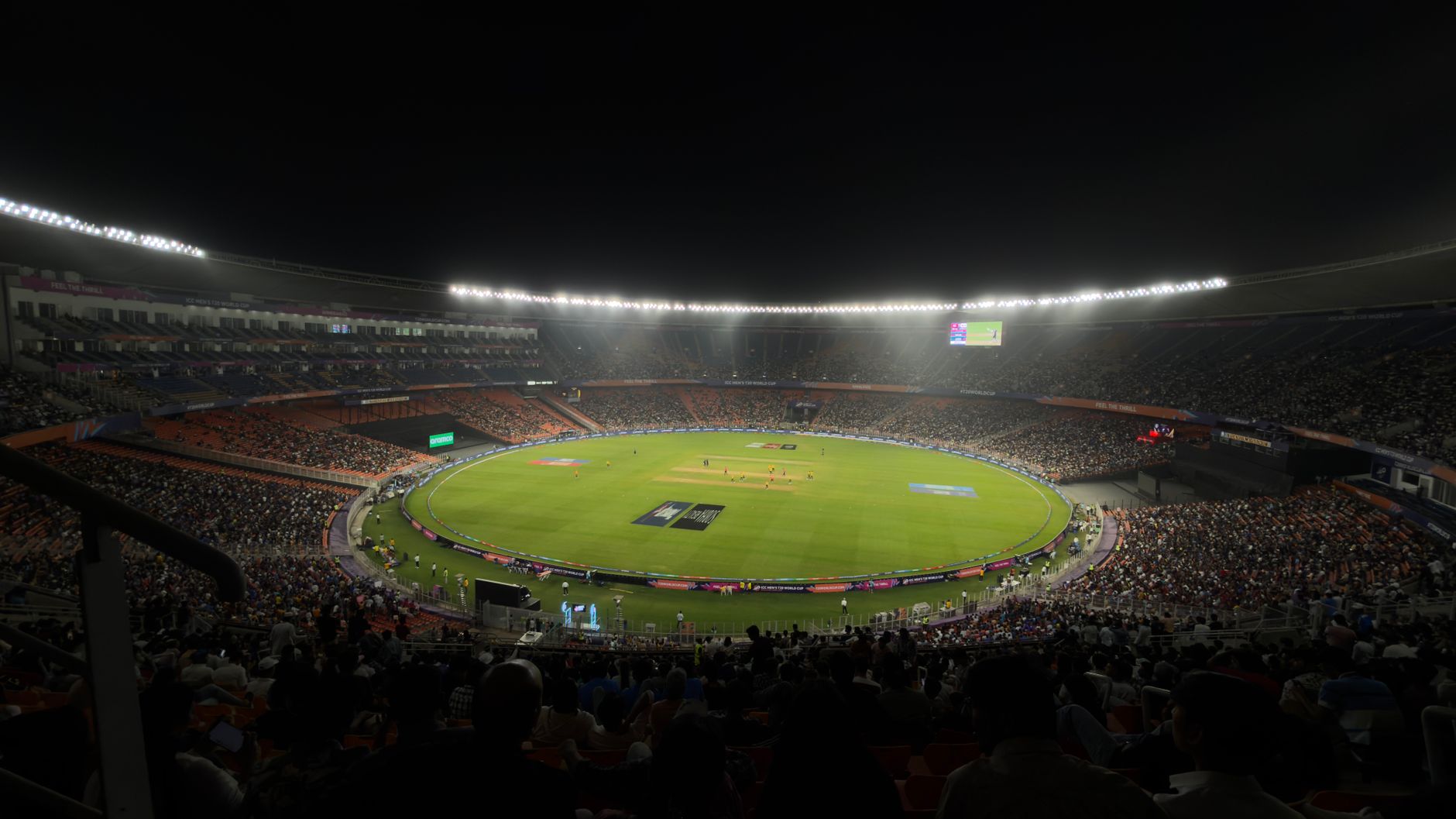
The rapid ascent of Sooryavanshi continued into the following IPL, when his performances earned him a fast‑track into the Indian T20 International (T20I) set‑up. The once‑mentor‑protege relationship now carries a competitive edge, as both players vie for the same opening berth in the national side. Their first high‑profile clash at the senior level came against Afghanistan at the Arun Jaitley Stadium, where team management opted for Samson over the teenager.
Samson answered the selection decision with a blistering 57 off just 22 balls, rebounding from a low‑scoring series opener. Sooryavanshi, despite having been named Player of the Series in a recent Zimbabwe tournament, watched from the sidelines for the second game. The episode underscored how performance, form, and timing intertwine in the Indian team’s selection calculus.
Contrasting Seasons and T20 World Cup Glory
Both batsmen have experienced starkly different trajectories over the past year. Sooryavanshi captured the Orange Cap in IPL 2026 at the age of 15, his second season, amassing 776 runs at an average of 48.5 and an eye‑popping strike‑rate of 237.3. Those numbers propelled him directly into the national dressing room. Samson, meanwhile, earned the Player of the Tournament award at the home T20 World Cup earlier in the year. After being benched at the tournament’s start, he produced back‑to‑back innings of 97* (off 50 balls) and 89 in the semifinal and final, helping India become the first side to defend the T20 crown.
Despite the World Cup heroics, Samson’s domestic season with Chennai Super Kings was described as “feast‑or‑famine,” a contrast to the teenager’s consistent run‑making. The divergence in form resurfaced during a series in Ireland, where India lost 0‑2 and Samson failed in two matches. He also fell short in the opening T20I of a subsequent England series, prompting selectors to give Sooryavanshi a three‑match run. The youngster’s international initiation proved challenging, yet he continued to perform, while Samson returned for the final match of the series, which ended in a 0‑4 defeat for India.
Samson was then rested for the Zimbabwe tour, a series in which Sooryavanshi excelled, securing the Player of the Series award and further solidifying his claim for the opening slot. The back‑and‑forth of selection decisions sparked public debate, especially after a later series in Delhi where the two again found themselves on opposite sides of the selection board’s choices.
Managing Pressure and Embracing Competition
Amid the scrutiny, Samson has spoken openly about coping with the noise surrounding Indian cricket. He humorously claimed to “turn off the Wi‑Fi” to block criticism, though he admits that the commentary inevitably resurfaces. “At first, it feels bad. I am not a machine. We are not robots; it does affect us,” he said, acknowledging the mental toll of constant evaluation.
Samson emphasises a process‑oriented mindset, focusing on consistency in preparation rather than attempting to control outcomes. “Consistency in my process, in my preparation, in how I practice… that’s where I try to focus,” he explained, adding that a fearless mindset comes from trusting one’s own routine.
Both players appear to accept the competitive environment. Samson reflected on Sooryavanshi’s prodigious run tally—“a 15‑year‑old boy has scored 700‑800 runs”—and recognised the inevitability of the youngster’s rise. He noted that his own “Man of the Tournament” award at the World Cup preceded Sooryavanshi’s breakthrough, suggesting that the two achievements belong to different phases of the team’s evolution.
Leadership communication has also played a role in navigating the selection maze. Samson credited head coach Gautam Gambhir and the broader leadership group for transparent discussions during the England series. “There was a lot of communication… It’s very easy to take popular decisions, but the leadership has been making tough calls to keep the team at the front,” he said.
Despite the rivalry, Samson appears comfortable with the uncertainty surrounding the opening slot. He acknowledged that the team must choose the player in form at any given moment, stating, “We may be competitors to the outside world, but we are a team and we are playing for a country and we want to win the game first.” The dynamic between the seasoned international and the teenage phenom illustrates the fine line between competition and coexistence within Indian cricket.
As of the latest series, Samson has once again made his case with the bat, while Sooryavanshi continues to press for longer opportunities. The next selection decision will likely hinge on form, fitness, and the strategic vision of the coaching staff, leaving both players poised for the next chapter in what has become one of India’s most compelling opening‑bat battles.






Be First to Comment