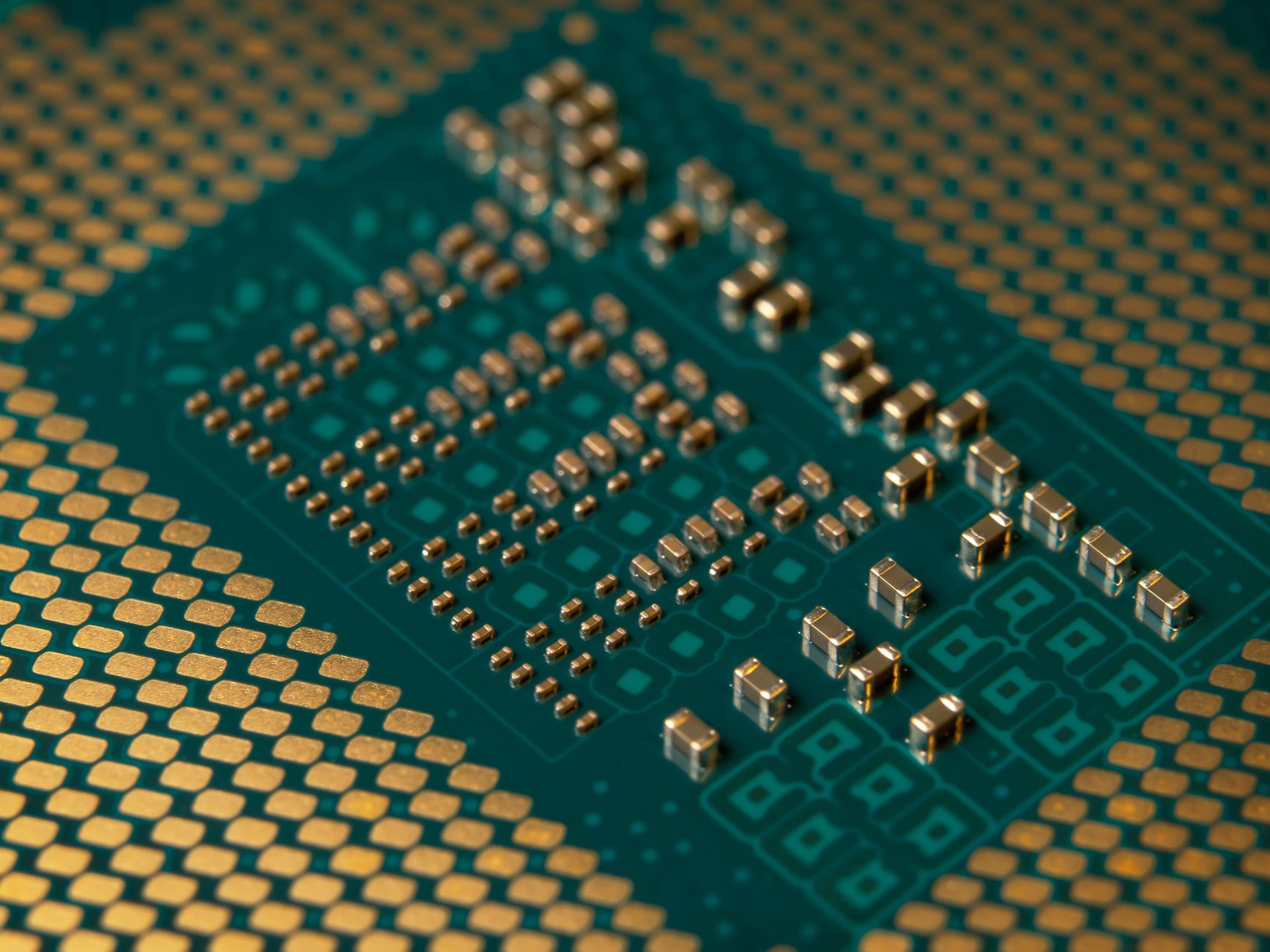
Prime Minister Narendra Modi inaugurated the three‑day SEMICON India 2026 conference at the Yashobhoomi convention centre in New Delhi on Thursday. The event, themed “Silicon to Systems: Building the Ecosystem,” is positioned as a platform to deepen collaboration, attract investment, spur innovation and develop talent within India’s burgeoning semiconductor sector.
Economic Context and Global Confidence
During his opening remarks, Modi highlighted two parallel trends: a robust domestic economy and rising international confidence in India. He noted that, despite a challenging global environment, India recorded a growth rate of 7.8 percent. In the same breath, he pointed out that Japan’s credit‑rating agency had upgraded India’s sovereign rating, a development he described as evidence of growing trust from foreign partners.
The prime minister linked the country’s macro‑economic momentum to its strategic push in high‑technology manufacturing. He asserted that every citizen is working toward the goal of a “developed India,” and that the semiconductor ecosystem is expanding rapidly, creating new avenues for innovation, investment and growth.
India’s Semiconductor Ambitions
Modi emphasized that India is taking deliberate steps to become a preferred destination for semiconductor manufacturing. He said the world is seeking new and trusted locations for chip production, and that India is ready to meet that demand. According to the prime minister, chips produced in India are now available both domestically and internationally.
He cited the recent commencement of commercial production at two semiconductor plants – one in Mohali and another in Surat – as milestones that are difficult for any nation to achieve. The prime minister also referenced the India Semiconductor Mission 2.0, which has increased its financial outlay to US$13.5 billion, up from US$8 billion in the first phase. To date, twelve chip‑making projects have received approval under the mission, with expectations of further approvals in the next phase.
Union Minister for Electronics and Information Technology Ashwini Vaishnaw added that the aspiration to build a semiconductor industry has existed for several decades, but it has become feasible under Modi’s leadership. Vaishnaw described the “Semicon 2.0” initiative as focusing on six pillars: semiconductor design, machines and materials, memory, silicon, compound and logic fabrication units, and research and development. He announced a government target to support at least 200 startups and companies that design chips across the full spectrum of semiconductor requirements.
Vaishnaw also referenced the recent BRICS summit held in New Delhi, noting that the New Delhi Declaration, adopted with consensus from all member nations, serves as another testament to global trust in India’s trajectory.
Scale and Scope of SEMICON India 2026
The SEMICON India 2026 exhibition has attracted a sizable international presence. More than 600 exhibitors are participating, including 300 companies from abroad and delegations representing over 50 countries. The event features six country pavilions—Japan, South Korea, Malaysia, the Netherlands, Singapore and Sweden—alongside twelve state‑government pavilions and a dedicated Startup Pavilion.
Organisers described the conference as a convergence point for global and Indian companies, policymakers, investors, researchers, start‑ups, academic institutions and students spanning the semiconductor and electronics value chain. By gathering stakeholders from design to final systems, the event aims to accelerate the transition from silicon wafers to complete electronic solutions within India.
Overall, the inauguration of SEMICON India 2026 underscores the Indian government’s commitment to positioning the country as a major hub for semiconductor manufacturing and design. The combination of strong macro‑economic growth, an upgraded sovereign rating, expanded mission funding and tangible production milestones reflects a coordinated strategy to capture a larger share of the global chip market.
As the three‑day conference proceeds, participants will discuss pathways to scale up domestic capabilities, attract further foreign direct investment and nurture a pipeline of home‑grown talent. The outcomes are expected to influence policy direction, investment flows and the pace at which India can meet both domestic and international demand for advanced semiconductor products.






Be First to Comment