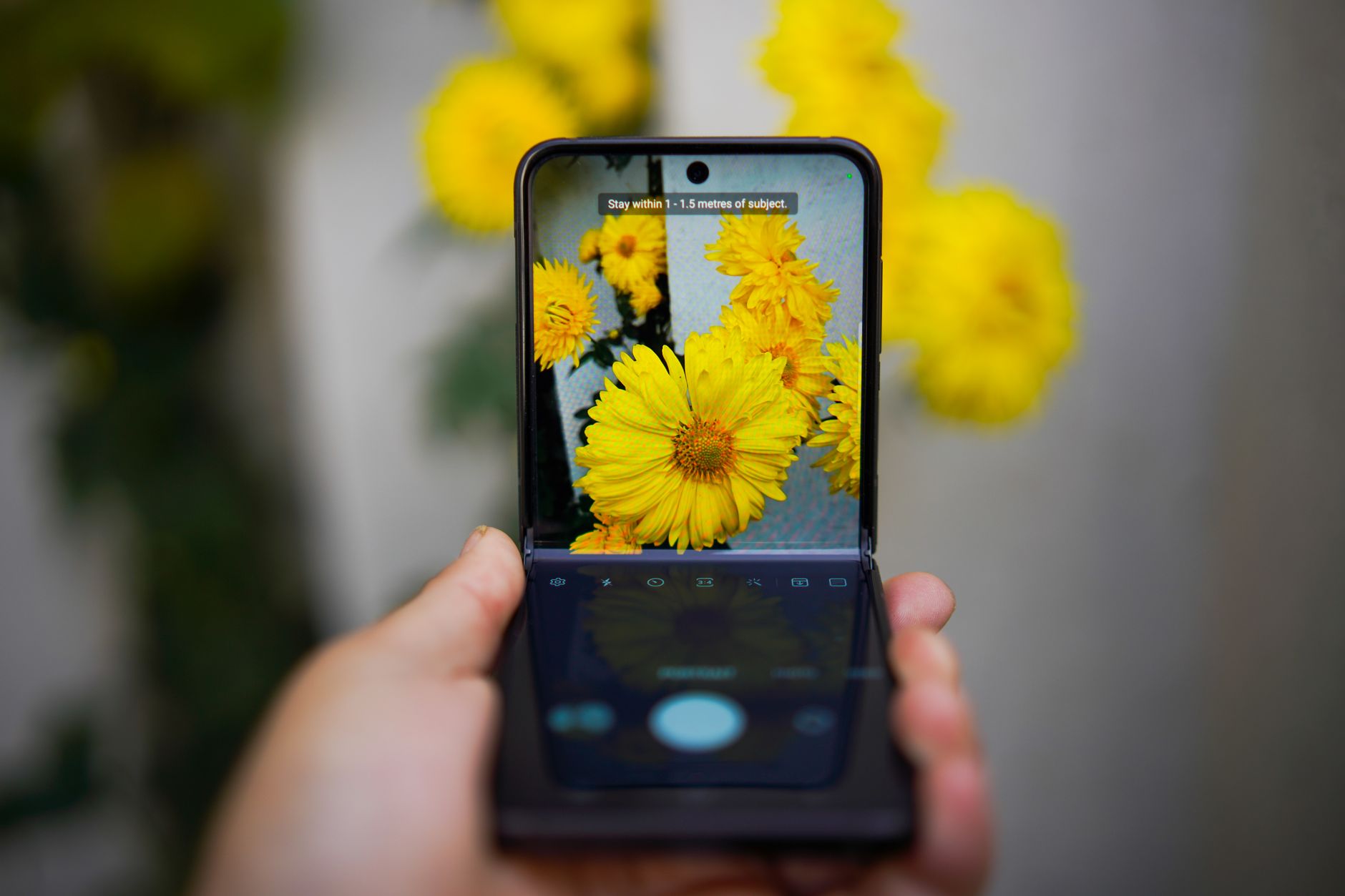
When Apple introduced its first foldable handset, the iPhone Duo, on September 9, 2026, two of its biggest rivals were already primed to capitalize on the media buzz. Samsung and Motorola each rolled out advertising that leaned on Apple’s high‑profile event to underline their own longer histories in the foldable segment.
Samsung’s pre‑emptive campaign and post‑launch digs
Weeks before Apple’s September event, Samsung placed a series of billboards titled “Welcome to Foldables” in major cities including Seoul, Tokyo and London. The outdoor ads were timed to precede Apple’s announcement by a full week, launching on September 2. The campaign was built around the Galaxy Z Fold8, the latest iteration of Samsung’s foldable line, and highlighted the company’s seven‑year track record that began with the original Galaxy Fold in 2019.
During the live Apple launch, Samsung’s U.S. social‑media account posted the brief line “So far, so same.” After the iPhone Duo was revealed, the same account added a tongue‑in‑cheek invitation: “Let us know when you’re done reheating our leftovers.” The phrasing was a direct reference to Apple’s entry into a market Samsung believes it helped create.
Price comparisons were also part of Samsung’s messaging. In India, the iPhone Duo was priced at Rs 2,99,900, while the Galaxy Z Fold8 started at Rs 1,79,999, giving Samsung a clear cost advantage to showcase alongside its experience claim.
Motorola joins the conversation
Motorola’s response arrived in the form of a short video that displayed a range of Razr devices, from the original flip phone to newer models. The clip ended with the line “New in their hands. Iconic in ours,” positioning the Razr brand as an enduring icon even as Apple entered the foldable arena.
Both Samsung and Motorola used Apple’s launch as a platform to remind consumers that they had been selling foldable phones long before the iPhone Duo’s debut. Samsung’s claim is backed by its eight‑generation lineup, while Motorola points to the Razr’s historic status as a pioneering flip phone.
Market outlook and the broader competitive landscape
Analyst firm Counterpoint Research projects that by 2026 Samsung will command 38 percent of global foldable smartphone shipments. Apple, despite being a newcomer to the category, is expected to capture 25 percent, while Huawei could hold 22 percent of the market. These figures suggest that early entry does not automatically translate into dominance, especially as the foldable segment remains relatively niche.
In India, the foldable market is projected to ship more than 650,000 units in 2026, representing roughly two to three percent of the overall smartphone market by value. The modest size of the segment means that price differentials, such as the Rs 1.2 lakh gap between the iPhone Duo and the Galaxy Z Fold8, can be a decisive factor for price‑sensitive consumers.
Why brands turn to Apple for attention
Apple’s product launches have historically attracted extensive media coverage and social‑media chatter. For rivals, piggybacking on that attention offers a shortcut to reach a broader audience without having to generate the same level of buzz around their own announcements.
Samsung has a long history of using Apple’s events as a springboard for its own marketing. In 2017, the company’s “Growing Up” campaign mocked the iPhone X notch, and later ads ridiculed Apple’s removal of the headphone jack and the decision to stop bundling chargers with new iPhones. Other manufacturers have employed similar tactics; Xiaomi, for example, has run ads in India that labeled the iPhone 16 Pro Max camera as “cute” and even used an April Fools’ joke to question the iPhone’s camera performance. In 2025, both Apple and Samsung sent cease‑and‑desist notices to Xiaomi over campaigns they deemed disparaging.
Risks of trend‑jacking a larger rival
Industry observers caution that repeatedly leveraging Apple’s popularity can be a double‑edged sword. Dilip Cherian, image guru and co‑founder of Perfect Relations, described the approach as “risky” and warned that “the idea of trend jacking your bigger competitor is not for novices.” He added that such tactics may work in the short term but are difficult to sustain.
One risk is that every jab at Apple also reinforces the visibility of the iPhone Duo, inadvertently granting Apple free publicity. Moreover, Samsung’s own history illustrates the perils of mocking a competitor’s product decisions only to adopt the same changes later. The company once ridiculed Apple for removing the headphone jack, then eliminated the jack from its flagship phones. It also mocked Apple’s decision to stop including chargers, only to follow suit in its own line‑up.
Because Samsung’s current argument rests on a factual claim—its early entry into foldables—the campaign is harder for Apple to refute. Nevertheless, Cherian believes that “these are just momentary warrior blips, and it’s unlikely that they will persist beyond a point.” He emphasized that taking on Apple requires “creative ingenuity combined with massive marketing muscle.”
Looking ahead
The iPhone Duo launch gave Samsung and Motorola a clear opening to remind consumers of their legacy in foldable technology. Whether such attention‑grabbing strategies will remain effective once the initial excitement around Apple’s debut fades is uncertain. As the foldable market continues to evolve, the ability of rivals to craft distinct narratives around their own products—rather than relying on Apple’s spotlight—will likely determine long‑term brand positioning.
For now, the advertising duel underscores a broader industry truth: while Apple’s events provide a magnet for media and consumer interest, leveraging that magnet comes with strategic trade‑offs that can shape the competitive dynamics of emerging smartphone categories.






Be First to Comment