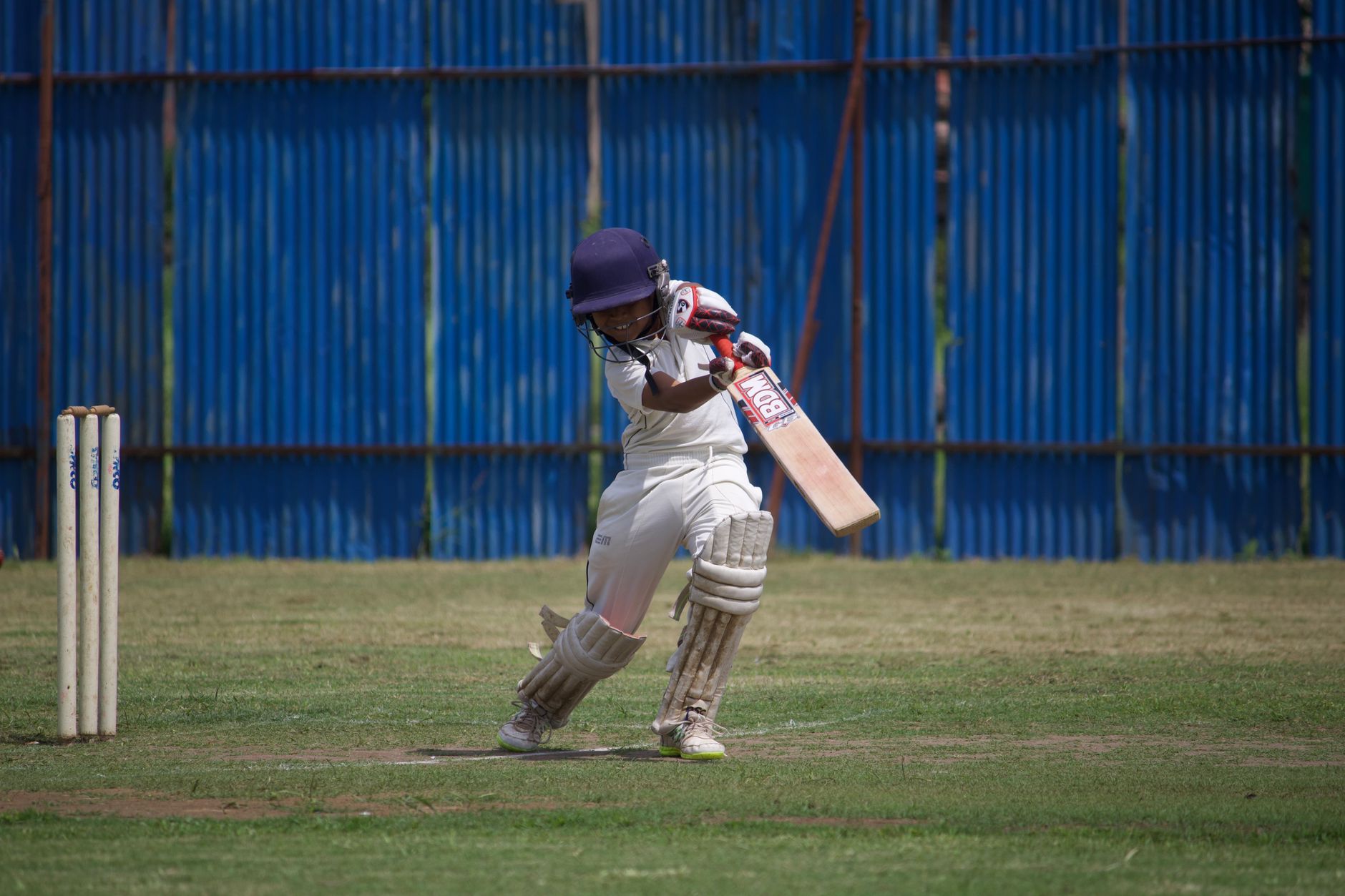
At 15 years old, Vaibhav Sooryavanshi has already become a talking point across Indian cricket circles. The left‑handed batter from Samastipur, Bihar, has drawn attention for his early breakthroughs in domestic cricket and the Indian Premier League, yet his path to the longest format remains a subject of heated debate.
Monty Panesar’s warning on the Beyond23 Cricket Podcast
Former England spinner Monty Panesar recently voiced a stark assessment of Sooryavanshi’s Test prospects during an appearance on the Beyond23 Cricket Podcast. Speaking alongside former Australian captain Michael Clarke, Panesar said he could not envision the teenager making a successful transition to Test cricket. He argued that Sooryavanshi “doesn’t have the right technique,” and compared the situation to the current landscape of players who excel in both Tests and T20 Internationals.
Panesar highlighted the rarity of such dual‑format success, naming England’s Harry Brook as the only player he believes currently ranks in the top ten for both Tests and T20Is. By contrast, Panesar expressed doubt that Sooryavanshi could join that elite group, suggesting that his skill set is not yet suited to the demands of red‑ball cricket.
Michael Clarke’s counter‑argument
Michael Clarke quickly offered a different perspective, emphasizing that talent and adaptability can enable a player to succeed across all three formats. He cited the careers of Virat Kohli and AB de Villiers as proof that a cricketer can be a “brilliant Test cricketer and unbelievable T20 cricketer” at the same time. Clarke argued that if a player of Sooryavanshi’s generation manages to make the transition, “it is going to be unreal to watch.”
Clarke also identified Sooryavanshi’s current strengths. He described power as the youngster’s “main thing,” noting the batsman’s “amazing eye” and ability to pick up the ball “as well as any young cricketer in the world.” According to Clarke, the technique gap will narrow as Sooryavanshi gains more exposure to varied conditions through tours and training with the national side. He concluded that the talent is there for Sooryavanshi to become a “superstar in all three formats” if he chooses to pursue it.
Sooryavanshi’s recent performances and opportunities
Sooryavanshi’s recent cricketing résumé includes a notable appearance in the Duleep Trophy, where he represented the East Zone. The East Zone side secured the tournament title, and Sooryavanshi contributed significantly throughout the competition. In the semi‑final against Central Zone, he came close to a maiden first‑class century, being dismissed in the 90s. That innings highlighted his ability to build long scores, even as he remains primarily known for his power‑hitting.
Despite his domestic successes, Sooryavanshi has not yet broken into India’s Test squad. The limited number of red‑ball matches he has played means a call‑up remains a distant prospect. The same scarcity of opportunities extends to the international T20 arena. In the most recent T20I series against Afghanistan, Sooryavanshi was omitted from the playing XI, with Sanju Samson and Abhishek Sharma selected ahead of him. Team management, according to the source, prefers continuity and has not rushed the teenager into the senior side.
Nevertheless, Sooryavanshi’s presence in the Indian Premier League (IPL) has been described as “clutter‑breaking.” While the exact details of his IPL involvement are not enumerated, the description suggests that his inclusion in the franchise league has generated significant buzz, further raising expectations about his future at the highest level.
Context of the debate
The conversation around Sooryavanshi reflects a broader tension in modern cricket: the balance between nurturing prodigious talent and ensuring players are technically equipped for the rigors of Test cricket. Panesar’s comments echo a traditional view that emphasizes technique and temperament, especially for the longest format. In contrast, Clarke’s stance aligns with a more progressive outlook that sees skill sets as transferable across formats, provided the player possesses the right mindset and receives appropriate exposure.
Both former internationals agree on one point: Sooryavanshi possesses raw talent. Panesar acknowledges his potential but questions his readiness for Test cricket. Clarke, meanwhile, believes that the right developmental pathway—touring, training in diverse conditions, and continued domestic performance—will refine Sooryavanshi’s technique.
For Sooryavanshi himself, the immediate focus appears to be on consolidating his performances in domestic tournaments and the IPL, while awaiting a chance to prove his mettle on the international stage. As a left‑handed opener who has already shown the ability to score heavily in the Duleep Trophy, his trajectory will be closely monitored by selectors, coaches, and pundits alike.
Whether the 15‑year‑old will eventually become a multi‑format mainstay remains an open question. What is clear from the recent podcast discussion is that his name has already entered the conversation among cricket’s senior voices, and his development will continue to be a point of interest as India looks to the future of its batting line‑up.





Be First to Comment