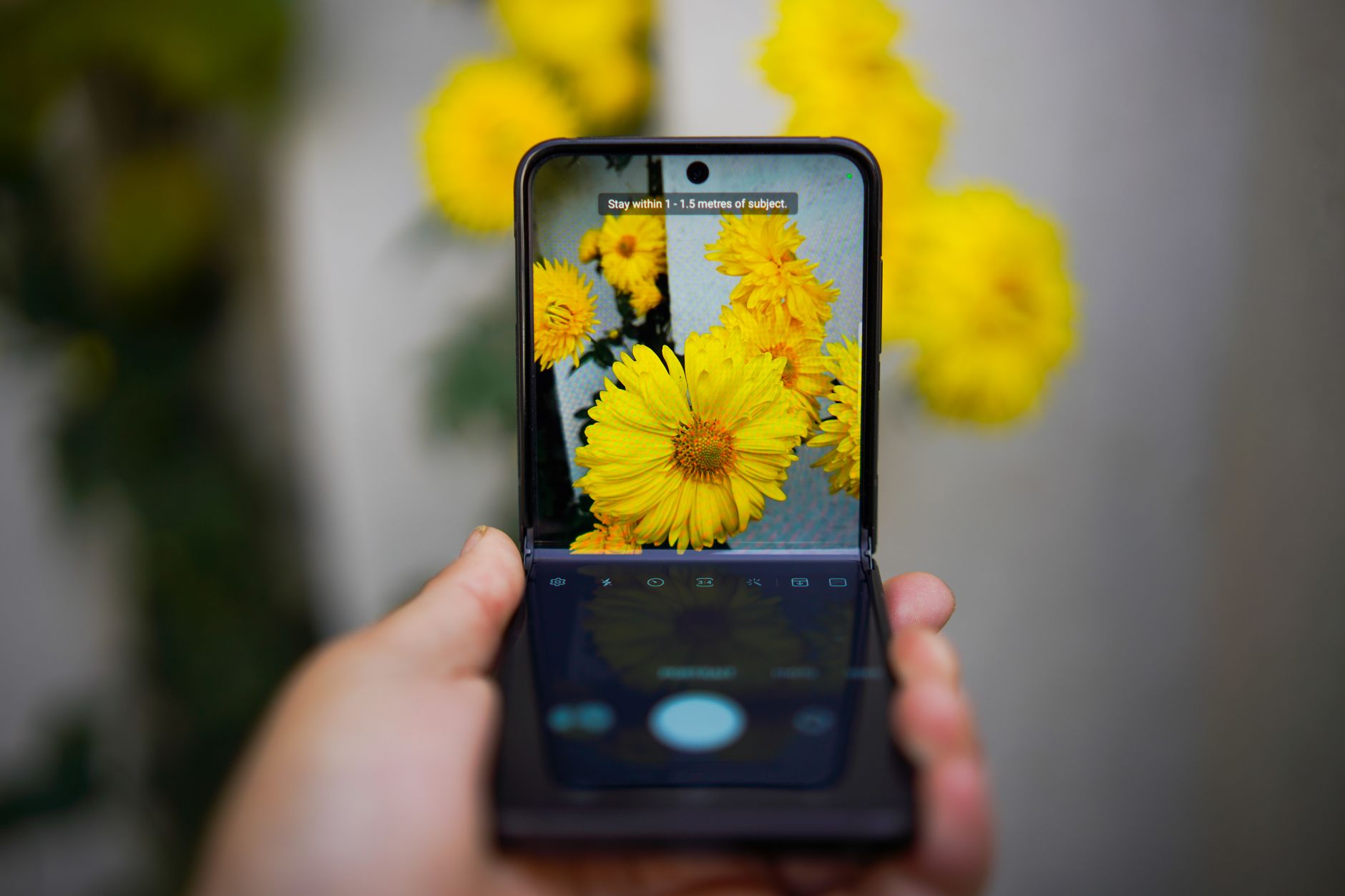
On September 11, 2026, Apple Inc. announced the iPhone Duo, its first foldable smartphone, with a premium launch price of $1,999. The device was showcased in Cupertino with an expanded display capable of running productivity and entertainment apps such as Zoom, Slack, Netflix, and a suite of content‑creation tools. While the hardware demonstrated new possibilities for the iPhone line, analysts at the event raised questions about the phone’s appeal beyond a niche of affluent technology enthusiasts.
Analyst Perspectives on Target Audience
Creative Strategies analyst Carolina Milanesi highlighted a shift in Apple’s usual marketing approach, noting, “Apple doesn’t usually define who the buyer is, but in this case specifically, they really shied away from it.” The observation underscored a broader uncertainty among industry observers about whom the $1,999 device is meant for. Counterpoint Research’s Neil Shah echoed similar concerns, describing the launch as showing a “lapse in positioning.” Both comments point to a perceived lack of a clearly articulated buyer profile, a departure from Apple’s typical product narratives.
Despite the ambiguity, some analysts see the Duo’s early demand driven by brand loyalty. Creative Strategies suggested that Apple’s strong brand and pent‑up demand could generate solid initial sales even without a sharply defined target customer. The notion is that existing iPhone owners, accustomed to premium pricing, may be inclined to upgrade to the newest form factor.
Potential Market Impact and Forecasts
Research firms offered optimistic volume estimates for the Duo. Counterpoint Research projected that Apple could move close to 6 million units by the end of the year, a figure that would represent roughly one‑quarter of the global foldable market immediately after launch. TECHnalysis Research described the Duo as likely to serve as a status product, suggesting that strong early adoption could cement Apple’s foothold in the foldable segment before the category’s long‑term use cases fully mature.
Apple is positioning the larger foldable display around productivity, entertainment, and artificial intelligence rather than simply extending the premium iPhone line. CEO John Ternus described the expanded screen as a potential “personal AI hub,” implying that the device could become a central point for AI‑driven interactions. By showcasing applications such as Zoom, Slack, and Netflix, Apple aimed to illustrate a broader utility that might justify the $1,999 price tag and create a new premium upgrade path within its ecosystem.
Industry forecasts suggest that Apple’s entry could accelerate growth across the broader foldable smartphone category. Omdia expects global foldable shipments to reach 22.3 million units in 2026 and predicts that Apple’s launch will generate the largest year‑over‑year shipment increase for the segment since 2021. The forecast implies that Apple may attract consumers who have previously ignored foldables, rather than merely diverting customers from competitors such as Samsung, Huawei, and Google, thereby creating incremental demand for the hardware.
Risks and Positioning Challenges
While the potential upside is significant, the lack of a clearly defined buyer remains a central risk. Counterpoint Research’s Neil Shah warned that the “lapse in positioning” could hinder broader adoption, especially given the premium price point. Analysts stressed that Apple must convince consumers that the foldable format delivers enough functional utility to merit the $1,999 cost, beyond the appeal of novelty or status.
Enthusiast demand may provide a strong launch window, but sustaining momentum will likely depend on how effectively Apple can demonstrate real‑world benefits of the larger display for productivity, entertainment, and AI interactions. Without a clear narrative linking the device’s capabilities to everyday user needs, the Duo could struggle to move beyond early adopters into the mainstream market.
In summary, Apple’s iPhone Duo introduces a high‑priced, foldable form factor that blends productivity and entertainment features, positioning the device as a potential AI hub. Analysts are divided: some see brand strength and early‑adopter enthusiasm as a catalyst for rapid market penetration, while others warn that ambiguous targeting and a steep price could limit broader appeal. The coming months will reveal whether Apple’s gamble reshapes the foldable landscape or remains a niche offering for a select segment of consumers.






Be First to Comment