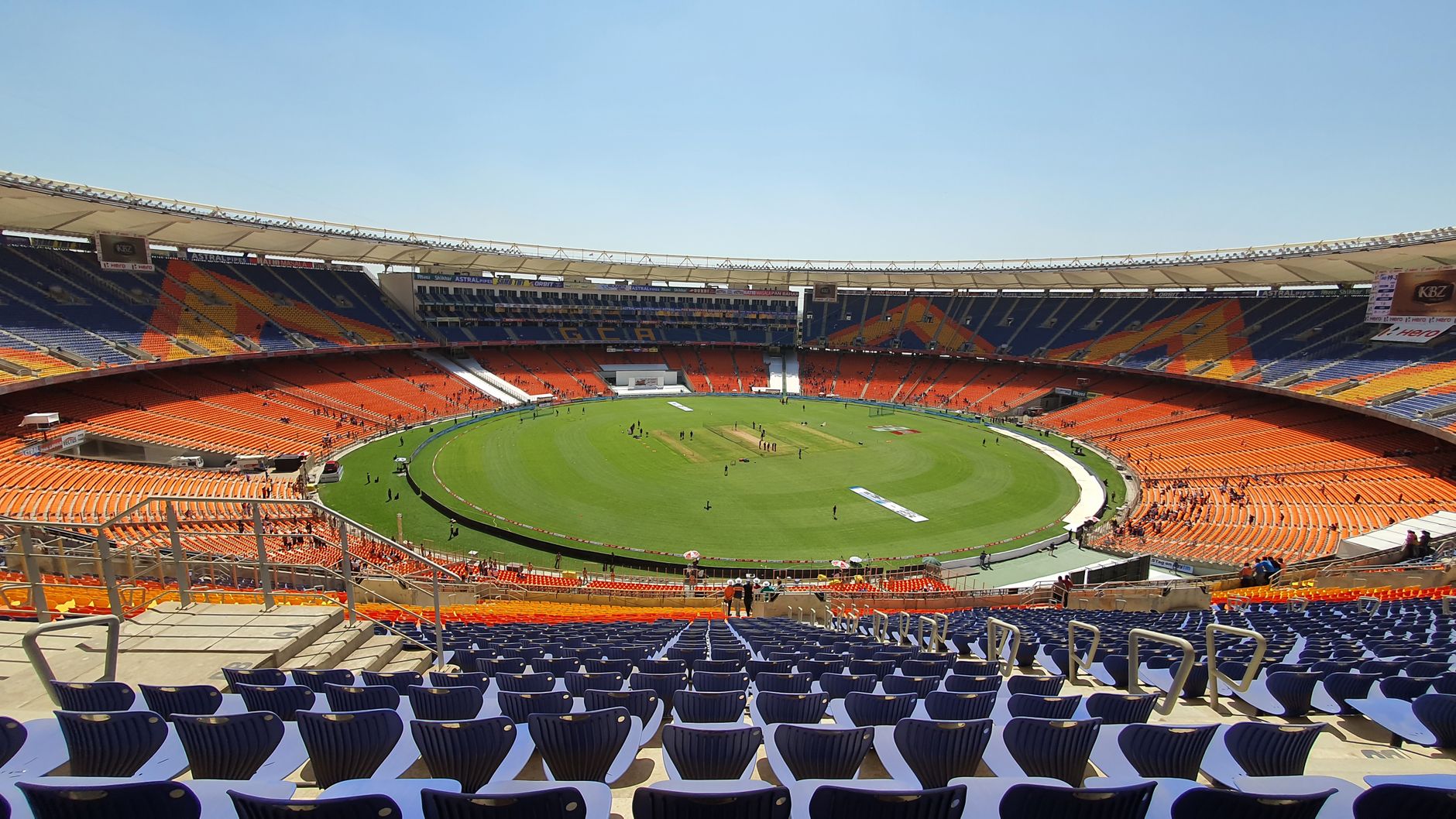
South Africa wrapped up a three‑match One Day International (ODI) series against Australia with a 2‑0 lead after a tense finish to the second match at Johannesburg’s Wanderers Stadium. The win, which came by a margin of 32 runs, not only gave the Proteas an unassailable series advantage but also sparked a rare on‑field dispute between captain Temba Bavuma and wicketkeeper‑batter Quinton de Kock over the use of a player review.
Review dispute erupts in the 48th over
The controversy unfolded on the fourth delivery of the 48th over when fast bowler Lizaad Williams delivered a yorker aimed at the middle‑and‑leg region of Australian batsman Xavier Bartlett. Bartlett attempted to pull away and swing at the ball, missed, and was struck on the front of his leg. The on‑field umpire did not immediately raise his finger, prompting a prolonged discussion in the middle of the field about whether a review should be lodged.
Captain Bavuma eventually signalled for a review. The third‑party replay showed three red lights, confirming that Bartlett was out LBW after having scored a rapid 50 runs off 28 balls. The decision ended Bartlett’s innings, but the camera also captured a heated exchange between Bavuma and de Kock. Video footage showed finger‑pointing and raised voices, indicating a clear disagreement about the timing and necessity of the review.
Quinton de Kock, who had been involved in the partnership with Bavuma earlier in the innings, appeared visibly upset. The situation was defused when fellow bowler Marco Jansen intervened, speaking calmly with de Kock. After the brief mediation, de Kock chose to walk away from the fray, while Bavuma remained on the field.
South Africa seal series with dominant performance
Beyond the on‑field drama, the Proteas delivered a commanding performance that secured the series win. Bavuma, who had taken the captain’s role in the match, scored a century, anchoring the South African chase. He was ably supported by David Miller, who also reached a hundred, marking the second century of the match for South Africa.
In his post‑match comments, Bavuma praised the collective effort, noting that the team had to contend with a “bad pitch” early on. He said, “Overall good team performance. Started with a bad pitch, tricky up front, but we managed to handle that challenge and then got ourselves to that total. Unbelievable innings by David Miller, and then the bowlers as well, you know, they held their nerve.” He added that the bowlers kept the Australian side under pressure during the first ten overs, allowing South Africa to regain control.
Reflecting on his own contribution, Bavuma remarked, “It’s nice to contribute with the bat. I think I had much more of an opportunity coming in, I guess just after the first ball. I was able to take my time and build partnerships with Quinton and the other guys. But yeah, always nice to contribute to the team’s cause.”
The victory marked South Africa’s fifth consecutive home win over Australia in ODIs, with each of those matches won while batting first. It also extended the Proteas’ record of bilateral series triumphs against the Australians. Of the 16 three‑match‑or‑longer ODI series contested between the two nations, South Africa has emerged victorious in ten, the highest number of series wins for either side.
Implications and reactions
The series win solidifies South Africa’s dominance in home conditions and adds to their impressive record against Australia in limited‑overs cricket. While the review dispute attracted attention, the broader narrative of the match centred on South Africa’s batting depth and disciplined bowling, exemplified by Williams’ decisive yorker that triggered Bartlett’s dismissal.
Analysts noted that the incident between Bavuma and de Kock, though unusual, highlighted the pressures inherent in high‑stakes matches where split‑second decisions can influence outcomes. The involvement of Marco Jansen as a calming presence underscored the team’s internal leadership dynamics and the importance of maintaining composure during contentious moments.
Looking ahead, the Proteas head into the final ODI of the series with a comfortable lead, while Australia will need to regroup and address both tactical and interpersonal aspects if they hope to overturn the deficit. The episode also serves as a reminder of the critical role of the Decision Review System (DRS) in modern cricket, where player‑initiated reviews can swing momentum but also provoke debate among teammates.
As the series concludes, South Africa celebrates not only a series victory but also a historic accumulation of bilateral series wins against a long‑standing rival. The episode involving Bavuma and de Kock will likely be dissected in post‑match analyses, but the overall consensus remains that South Africa’s collective performance, highlighted by two centuries and a disciplined bowling effort, was the decisive factor in securing the series.





Be First to Comment