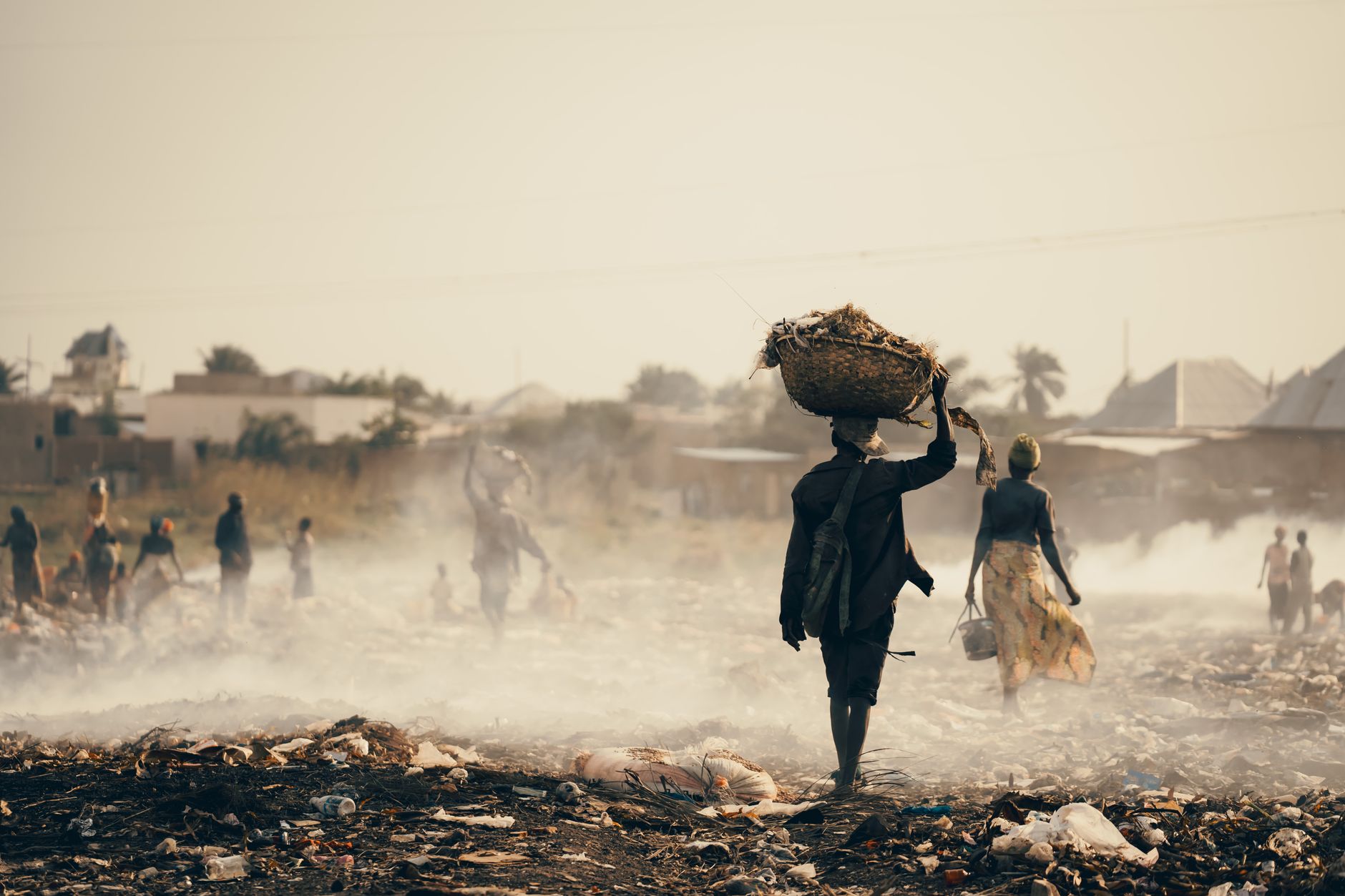
External Affairs Minister S. Jaishankar told an audience at the Asia Society in New York on September 28, 2026 that the world faces a “major food crisis” in the coming months. He linked the looming crisis to the ongoing war in Ukraine and the emerging Iran‑Gulf conflict, describing the combined effect as “very very stressful” for economies of the Global South. The minister’s remarks, published on September 30, 2026, highlighted a cascade of supply‑chain disruptions affecting energy, grain, fertiliser and finance.
Conflicts amplify stress on Global South economies
Jaishankar framed the two wars as a “devastating impact” on the developing world. He said that the Ukraine war and the Iran‑Gulf confrontation have together created a “double crisis” that is straining countries that already grapple with limited fiscal space. The minister emphasized that the Global South cannot afford to be treated as an afterthought, warning that policymakers must not claim that the hardships were unintended. “Countries should not be so self‑centred that they’re in their own world and take your decision and say, ‘Well, it was not my intention to make your life difficult’,” he said.
According to Jaishankar, the financial repercussions of conflict are also pronounced. He noted that every time a geopolitical clash erupts, capital tends to move toward “safe harbours” and away from vulnerable economies, adding another layer of pressure on the Global South. The minister argued that such capital flight, combined with rising commodity prices, creates a “net result” that is “very very stressful” for nations already struggling to meet basic needs.
Energy, food and fertiliser supply chains under strain
The minister described the energy market as “very tight” and warned that political manoeuvring around oil supplies could worsen the situation. “If people play politics with it, that adds to the complications in the market,” Jaishankar said, noting that politicised oil flows drive up prices at a time when price stability is essential.
On the food front, Jaishankar highlighted the vulnerability of major grain exporters that rely on Black Sea routes. He warned that “some of the major grain exporters will not be able to send out their shipments, particularly out to the Black Sea,” a disruption that could reduce the flow of staple cereals to import‑dependent regions.
Fertiliser shortages were identified as another critical concern. The minister explained that the key producers of fertiliser are located in West Asia and Russia, and that production in these regions has been hit by the conflicts. This, he said, threatens the availability of essential agricultural inputs at a time when farmers need them most.
Adding a climatic dimension, Jaishankar referred to a “super El Niño” that is expected to exacerbate food insecurity. He warned that the convergence of energy crunch, food and fertiliser scarcity, and financial volatility could culminate in a “major food crisis probably in the coming months.” The minister stressed that the combination of these stressors is not merely coincidental but a direct outcome of geopolitical instability.
Calls for cooperative policy responses and autonomous action
Jaishankar urged leaders to apply “sound common sense” to ensure that the basic needs of many countries are not neglected. He argued that the international community should avoid a self‑centred approach and instead recognise the interdependence of markets and the shared responsibility to prevent a humanitarian fallout.
Regarding national responses, the minister said that some countries will retain their independence and autonomy, while others may find it harder to do so. “Some others would find it harder to do so. So those of us who are autonomous, we’d like to see more of us who are autonomous,” he said, acknowledging that the situation is not “black‑and‑white” and will depend on specific issues and stakes.
Jaishankar concluded by warning that the instability already observed after the Ukraine war could be amplified by the Iran‑Gulf tensions. He expressed concern that the latter could “feed, is going to aggravate” existing political instability in the region, potentially spilling over into broader economic distress.
The minister’s remarks underscore a growing consensus among policymakers that the intertwined nature of energy, food, fertiliser and financial markets makes the world vulnerable to cascading shocks. As the Asia Society event demonstrated, the dialogue around these challenges is moving from isolated concerns to a more integrated view of global stability, with particular emphasis on protecting the most vulnerable economies from the fallout of distant conflicts.






Be First to Comment