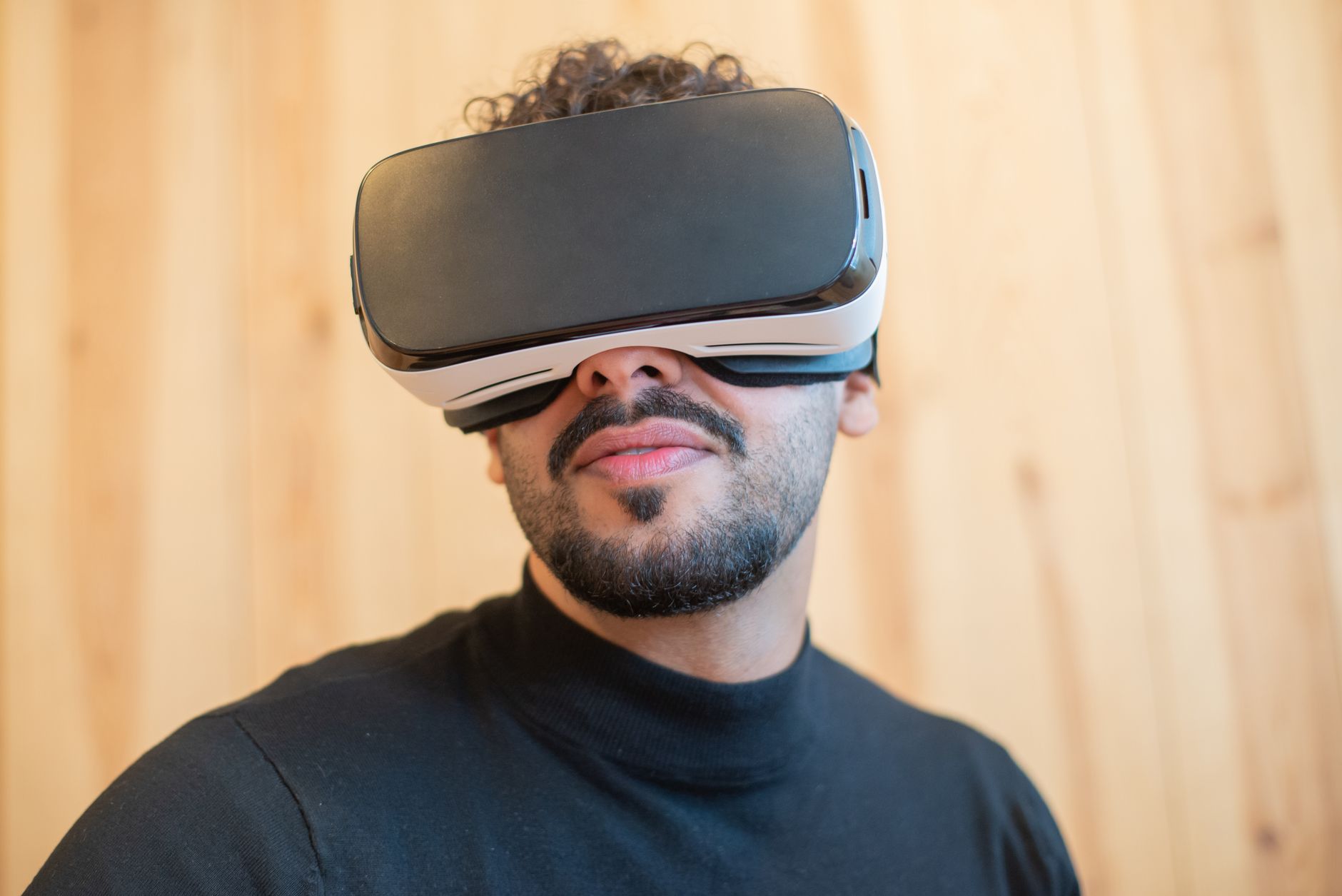
Meta Platforms announced a new pair of VR Glasses that weigh just 100 grams and are priced at $1,299, prompting a wave of commentary among technology influencers on the social network X. The lightweight form factor, combined with an external pocket‑sized compute and battery module, was widely described as the missing piece that could make spatial computing competitive with bulkier headsets such as the Apple Vision Pro. GlobalData, a market‑intelligence firm, tracked the conversation and reported that the sentiment was overwhelmingly positive, with many influencers highlighting the dramatic weight reduction and the device’s price point as key factors that could broaden adoption.
Device specifications and design choices
The Meta VR Glasses are built around a design that pushes the bulk of processing power and battery capacity into an external “puck” that users can carry in a pocket. This architecture enables the glasses themselves to stay ultra‑light, while still supporting high‑end specifications. According to the influencer commentary captured by GlobalData, the glasses feature micro‑OLED displays, eye‑tracking and hand‑tracking sensors, and are geared toward immersive sports experiences. The external compute pack, powered by a Snapdragon chipset, supplies the necessary performance without adding weight to the lenses. The design also relies on passive cooling, a trade‑off that some commentators noted could affect sustained performance, especially given the device’s slated release timeline in 2027.
Influencer reaction and market outlook
Several prominent voices on X expressed enthusiasm for the announced specifications. One influencer wrote, “THIS is the direction I’ve been waiting for in VR. FINALLY — the future of spatial computing has to be smaller, lighter and actually comfortable enough to use.” The same post listed the key specs—100 g weight, micro‑OLED displays, eye and hand tracking, immersive sports, external compute/battery puck, and the $1,299 price—and emphasized that the weight figure was the most compelling aspect. Another user compared the new glasses directly to the Apple Vision Pro, noting that Meta’s offering is “pretty close to the Apple Vision Pro at less than half the price and 1/6th the weight.” A third commentator highlighted the broader ecosystem, stating that the announcement “points toward a future defined by connected experiences not individual devices,” referencing Meta’s Ray‑Ban Meta Audio and Muse Charm, all powered by Snapdragon technology.
Shreyasee Majumder, a Social Media Analyst at GlobalData, summarized the overall sentiment: “Influencer sentiment on X reflected strong enthusiasm for the dramatic weight reduction and the $1,299 price point, which many consider a practical foundation for multi‑monitor workstations and wearable spatial media.” Majumder also noted that while the discussion acknowledged technical trade‑offs such as passive cooling and a projected availability date in 2027, the consensus indicated that Meta is successfully executing a long‑term hardware roadmap aimed at linking lightweight spatial hardware with multimodal personal AI.
Beyond the hardware itself, influencers highlighted Meta’s personal AI assistant, Muse, which is slated to run on the new glasses. According to the collected posts, Muse now supports voice interaction and real‑time video, allowing users to hold extended conversations while the assistant performs background tasks. The integration promises a hands‑free experience throughout the day, reinforcing Meta’s strategy of pairing wearable spatial devices with AI‑driven productivity tools.
GlobalData’s analysis frames the announcement as a strategic acceleration of Meta’s broader hardware and personal AI ecosystem. By offloading compute and power to an external module, Meta can deliver a headset that rivals premium competitors in capability while remaining affordable and comfortable. The company’s simultaneous rollout of related products—Ray‑Ban Meta Audio, Muse Charm, and the Muse AI agent—suggests an intent to create a cohesive suite of connected experiences rather than isolated devices. If the influencer optimism translates into market demand, the 100‑gram VR Glasses could serve as a catalyst for wider consumer adoption of spatial computing, positioning Meta as a key player in the next generation of immersive technology.





Be First to Comment