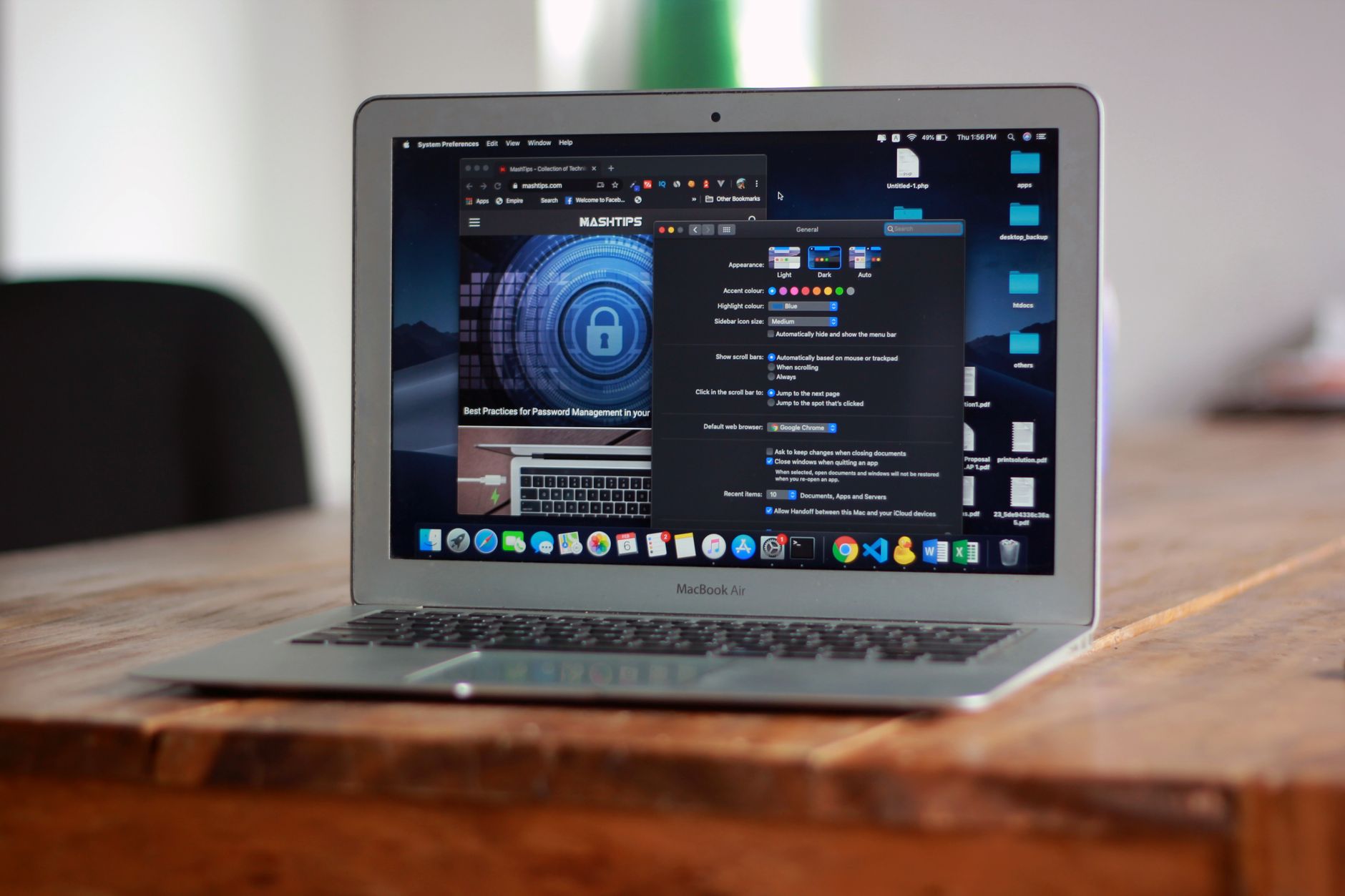
Apple Inc. disclosed on Friday that it will roll out additional safeguards for the macOS Full Disk Access capability, a move aimed at curbing privacy risks tied to increasingly autonomous artificial‑intelligence agents. The company said the new controls will require users to take a more explicit action before an application can obtain the broad file‑system permissions that Full Disk Access provides.
Why Full Disk Access matters
Full Disk Access is described by Apple as a powerful macOS feature that largely bypasses the operating system’s standard privacy protections. The permission is intended for applications that need extensive visibility into a Mac’s data—most notably backup services that must read and write large portions of a user’s files to function correctly. Apple acknowledged, however, that some developers have leveraged the capability in ways that could expose users to privacy hazards. When an app is granted Full Disk Access, it can potentially reach virtually everything stored on the computer, including documents, mail, messages, and browsing history.
AI agents and new privacy challenges
Apple linked the upcoming policy change directly to the rapid evolution of autonomous AI agents. In a statement, the company warned that as AI agents become more capable and autonomous, the risks associated with unrestricted data access will grow substantially. Unlike traditional software that performs a predefined set of tasks, AI agents can interpret user instructions, make independent decisions, and execute multiple actions on a user’s behalf. Apple said it is committed to ensuring users clearly understand these risks before granting such access, and that the new prompts will help users make informed choices about their data.
The announcement follows criticism of Meta Platforms Inc.’s Muse AI agent. Muse is marketed as a tool that can manage subscriptions, search for better prices, and perform other tasks for users. Technology columnist Jason Aten recently claimed that Muse accessed private Messages content on his Mac despite his assertion that Full Disk Access had not been enabled for the app.
Meta’s response and the broader market reaction
Meta responded to the allegations through spokesperson Andy Stone, who posted on X that the Messages integration in the Muse app for Mac is entirely opt‑in. Stone explained that users must enable both Full Disk Access and a separate Messages connector before Muse can read Messages data, and that the permission can be revoked at any time. The clarification underscores the importance of explicit user consent in the context of AI‑driven applications.
Following Apple’s announcement, the company’s shares closed with a gain of roughly 2% in regular Friday trading, while Meta’s stock rose about 0.3%. Year‑to‑date performance shows Apple up 23% and Meta up 10%, outpacing the S&P 500 ETF Trust’s 15% gain and closely matching the Invesco QQQ Trust’s 24% increase. Retail sentiment on Stocktwits for Apple was noted as bearish at the time of writing, suggesting that some individual investors remain cautious despite the stock’s strong performance.
Apple’s decision to tighten Full Disk Access controls reflects a broader industry trend of re‑examining privacy frameworks as AI capabilities expand. By requiring a more deliberate user action, Apple aims to reduce the likelihood that applications—especially those powered by autonomous agents—can silently harvest sensitive data. The company’s stance also signals to developers that the balance between functionality and privacy will be closely monitored, particularly for features that bypass ordinary safeguards.
For Mac users, the upcoming changes mean that installing or updating an app that requests Full Disk Access will trigger a clearer, more prominent prompt. Users will need to actively confirm the permission, rather than relying on a single, potentially ambiguous consent step. Apple’s messaging emphasizes that the goal is to give individuals a better understanding of what data an app can reach and to empower them to decide whether that access aligns with their privacy expectations.
While Apple has not disclosed a specific rollout timeline, the company indicated that the new safeguards will be introduced in the near future. The move is part of a broader effort to address privacy concerns that have surfaced alongside the rise of AI agents capable of performing complex, multi‑step tasks on a user’s device. As AI continues to integrate more deeply into everyday software, the scrutiny of permissions such as Full Disk Access is likely to intensify, shaping how operating systems balance utility and user protection.






Be First to Comment