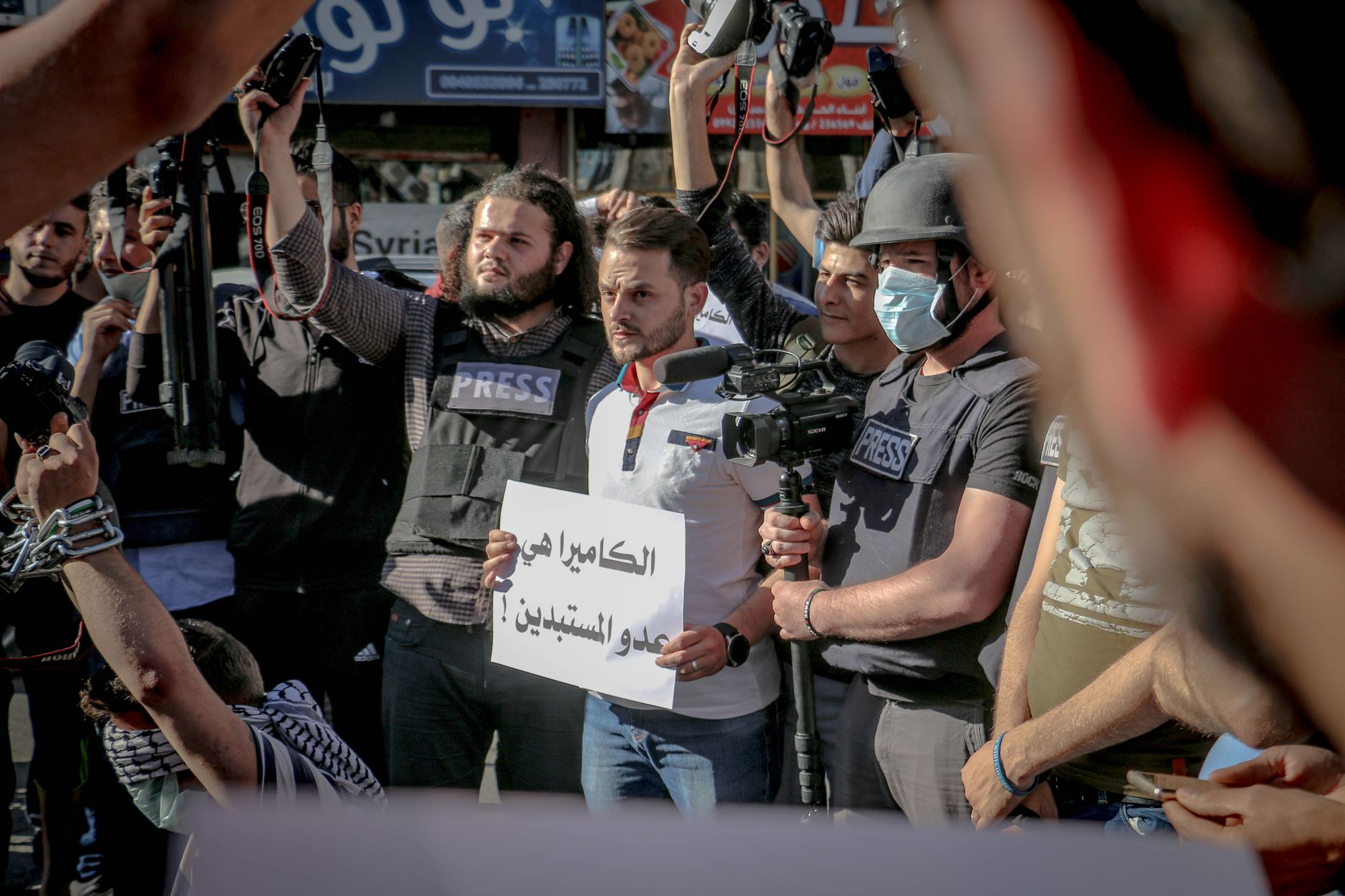
On October 3, 2026, a woman journalist covering a protest against Chief Election Commissioner Gyanesh Kumar said she was sexually harassed and physically pushed by Assistant Commissioner of Police (ACP) Vivek Bhagat. The incident, which the journalist claims occurred while she was recording the detention of All India Students’ Association (AISA) president Neha, has become the focus of a growing dispute between the press, a political party and Delhi Police.
Allegations and Initial Response
The journalist posted a video online in which she recounted walking to the Parliament Street police station to lodge a First Information Report (FIR) against ACP Bhagat. In the video she said, “When I questioned him, he ran away.” She also alleged that the officer shoved her during the encounter. The same day, two additional women journalists reportedly filed fresh complaints of sexual harassment against the same ACP, saying they had previously made similar allegations that were not registered.
Following the complaints, a Delhi police official told The Hindu on the morning of October 4 that no FIR had been registered because there was “no evidence to substantiate the allegation.” The officer added, “There were so many camera persons. There should be some proof of the incident if it happened,” and suggested that the complaint might be intended to target the police.
Despite the police official’s statement, the department confirmed that three complaints had been received and that they were transferred to the Crime Branch for inquiry on October 4. DCP (Special Police Unit for Women and Children) Neha Yadav noted that, although Section 163 of the Bharatiya Nagarik Suraksha Sanhita (BNSS) was in effect in the area, the protest continued and participants were detained after refusing to vacate. Yadav said three women who identified themselves as journalists lodged complaints alleging “manhandling by Delhi Police officers and staff during their detention.” She added that the complaints had been formally registered, medical examinations conducted, and the matter referred to the Crime Branch, while also urging anyone with relevant footage to share it with investigators.
Legal Context and Ongoing Actions
Ratna Singh, legal affairs head of the Cockroach Janta Party (CJP), said the journalists and party representatives would visit the Parliament Street police station on October 4 to demand registration of an FIR. “The police can very well register an FIR and then transfer it to the Crime Branch for investigation. But FIR is a must, as the allegations are of molestation,” Singh told The Hindu. She also highlighted that two other women journalists had lodged fresh complaints, reiterating that earlier allegations against ACP Bhagat had not resulted in an FIR.
In a late‑night post on X on October 3, Singh accused the police of refusing to register an FIR and instead opting for a preliminary inquiry and review of CCTV footage. She questioned whether this approach aligns with the Supreme Court’s Lalita Kumari judgment, which mandates that an FIR be filed when information discloses a cognizable offence, allowing only limited preliminary inquiries.
The Lalita Kumari ruling requires police to register an FIR for cognizable offences unless the circumstances fall within narrowly defined exceptions. Under the current BNSS, a preliminary inquiry is permissible for certain cognizable offences punishable with three to seven years of imprisonment, but only with senior‑officer approval. Sexual harassment, the offence alleged by the journalist, is classified as cognizable under the BNSS, meaning the police are obligated to file an FIR before any inquiry.
Singh’s criticism echoed concerns raised by the Press Club of India, which issued a statement describing the police’s handling of journalists during the Jantar Mantar protests as “shocked and dismayed.” The club condemned what it termed “actions against and treatment of journalists” by Delhi Police during the demonstrations on Friday and Saturday.
The situation remains fluid. While the Crime Branch has taken up the investigation, the journalists and their political allies continue to press for a formal FIR, arguing that the lack of an FIR undermines the seriousness of the alleged sexual harassment. Police officials, meanwhile, maintain that the absence of corroborating evidence—such as video footage from the many camera persons present—precludes the registration of a case at this stage.
As the investigation proceeds, the demand for any existing CCTV or smartphone recordings has been emphasized by DCP Yadav, who called on witnesses to submit any material that could aid the Crime Branch. The outcome of the inquiry will likely hinge on whether such evidence emerges and whether the police choose to comply with the procedural requirements set out by the Supreme Court and the BNSS.





Be First to Comment