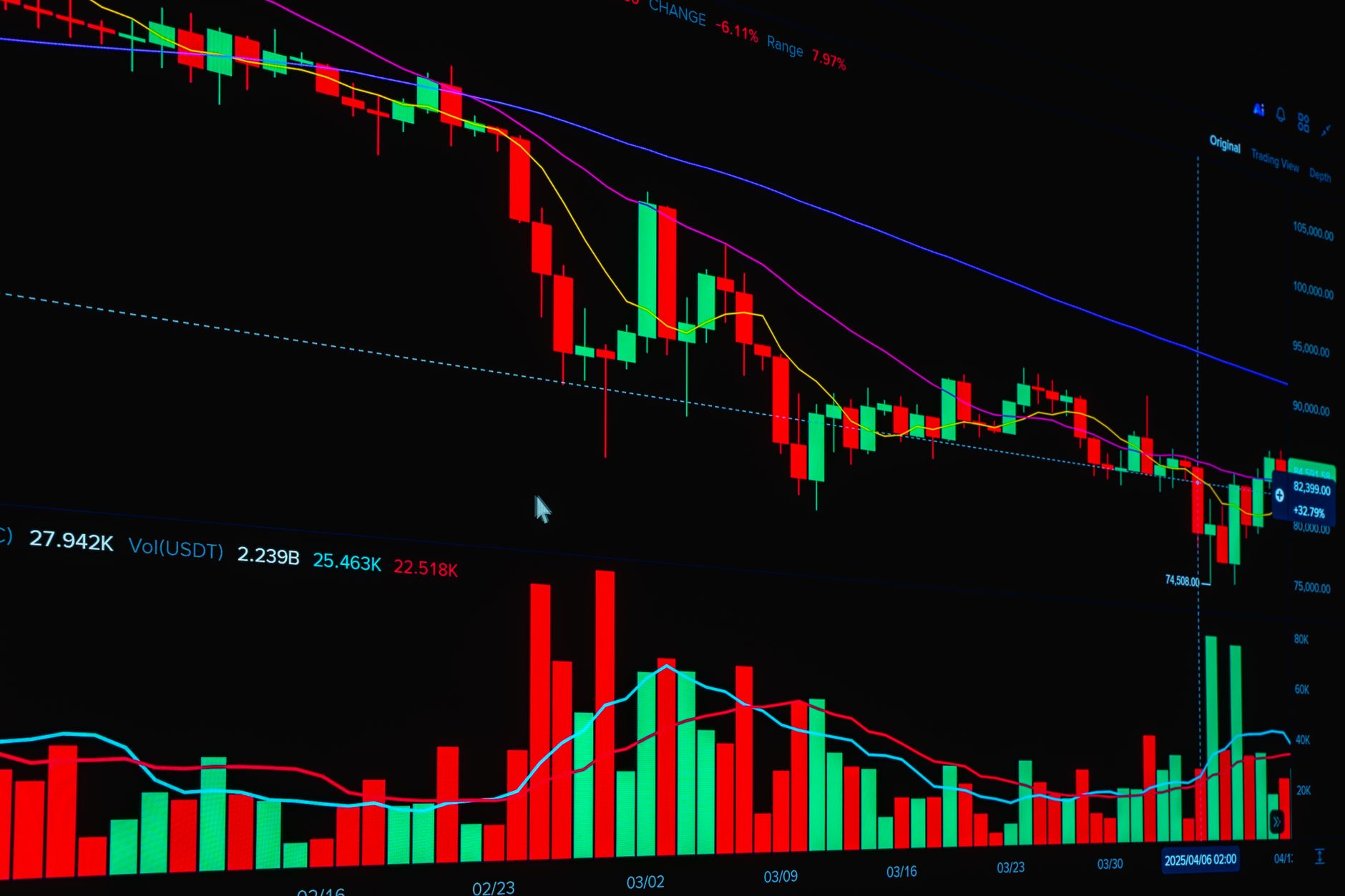
Sentiment on India’s stock markets has been rattled by a combination of higher oil prices, a jump in U.S. Treasury yields and a sharp pull‑back by foreign institutional investors. The confluence of these forces has triggered a pronounced sell‑off across major indices, prompting analysts to flag a possible continuation of the decline into the coming week.
Oil price dynamics and currency pressure
During the past week, crude prices have remained relatively subdued after European leaders acceded to a request from the United States to release diesel reserves. The move, aimed at easing fuel costs and curbing imports from the United States, temporarily softened the oil market but did not erase the broader inflation concerns that have been building in emerging economies.
At the same time, the Indian rupee slipped to a two‑month low. The depreciation was driven by a sharp rise in global bond yields, which lifted the cost of imported goods, especially for companies that rely heavily on crude oil and other overseas inputs. A weaker rupee raises the effective price of imported raw materials, adding to cost‑inflation pressures for Indian corporates.
US Treasury yields and foreign investor behavior
The 10‑year U.S. Treasury yield climbed to 5.34%, a level not seen since 2002. This rise makes U.S. government bonds more attractive relative to riskier assets such as emerging‑market equities. Analysts note that higher yields can prompt global investors to reallocate capital away from markets like India, thereby putting additional downward pressure on the rupee and on equity valuations.
Foreign Institutional Investors (FIIs) have responded aggressively. Over six trading sessions, they have sold securities worth Rs 43,687 crore, with the pace of outflows accelerating in the last three sessions. The index‑futures long‑short ratio for FIIs fell to 8.01%, a figure that sits near the lower end of its historical range. Market observers attribute the sell‑off to the prevailing global rate environment, where 10‑year U.S. yields hover around 5.2%.
Bernstein’s research suggests that even after the current artificial‑intelligence‑driven trade rally, foreign investors are unlikely to flood Indian equities in large numbers. A durable revival of foreign inflows, the firm argues, will depend on India’s ability to develop globally competitive sectors such as semiconductors, batteries and energy storage.
Upcoming earnings and their potential impact
Investors are also looking ahead to the earnings season, which begins with the release of second‑quarter results from 21 companies, including technology giant Tata Consultancy Services (TCS) and retail chain DMart. The performance of these two firms is expected to provide early clues about corporate resilience amid a volatile macro backdrop.
TCS’s results will be scrutinised for revenue growth, new deal wins, margin trends and management commentary on information‑technology spending. Meanwhile, DMart’s numbers will shed light on consumer demand, sales expansion and operating margin health. Any material deviation from market expectations could reverberate beyond the individual stocks, influencing sentiment across the broader IT and consumer‑spending segments.
Technical outlook for the Nifty and Sensex
Ponmudi R, chief executive officer of Enrich Money, observes that the Nifty 50 has entered its eighth straight week of decline, extending a broader corrective phase. The index remains below several key moving averages and continues to chart lower highs and lower lows, indicating a weak technical structure.
During the week, the Nifty fell to an intraday trough of roughly 22,217 before modestly recovering. On the upside, resistance is expected in the 22,500‑22,600 band, followed by a secondary hurdle at 22,800‑23,000. A sustained breach above 22,600 could provide short‑term stability, but analysts stress that a decisive move above the 23,000 level would be required for a meaningful improvement in the index’s short‑term trajectory.
Currency‑hedging advice and market sentiment
The rupee’s slide has also heightened concerns among exporters, who are now more cautious about hedging future receivables. Importers, by contrast, have remained aggressive in hedging, widening the demand‑supply mismatch in the foreign‑exchange market. IFA Global, a foreign‑exchange advisory firm, advises exporters to hedge conservatively and only against confirmed orders, while suggesting that importers take advantage of dips in the dollar‑rupee pair to lock in lower rates.
Overall, the combination of elevated oil costs, record‑high U.S. yields, aggressive foreign outflows and a fragile rupee creates a challenging environment for Indian equities. Market participants will be watching the upcoming earnings releases and technical price levels closely, as any surprise could either deepen the correction or provide the first signs of stabilization.






Be First to Comment