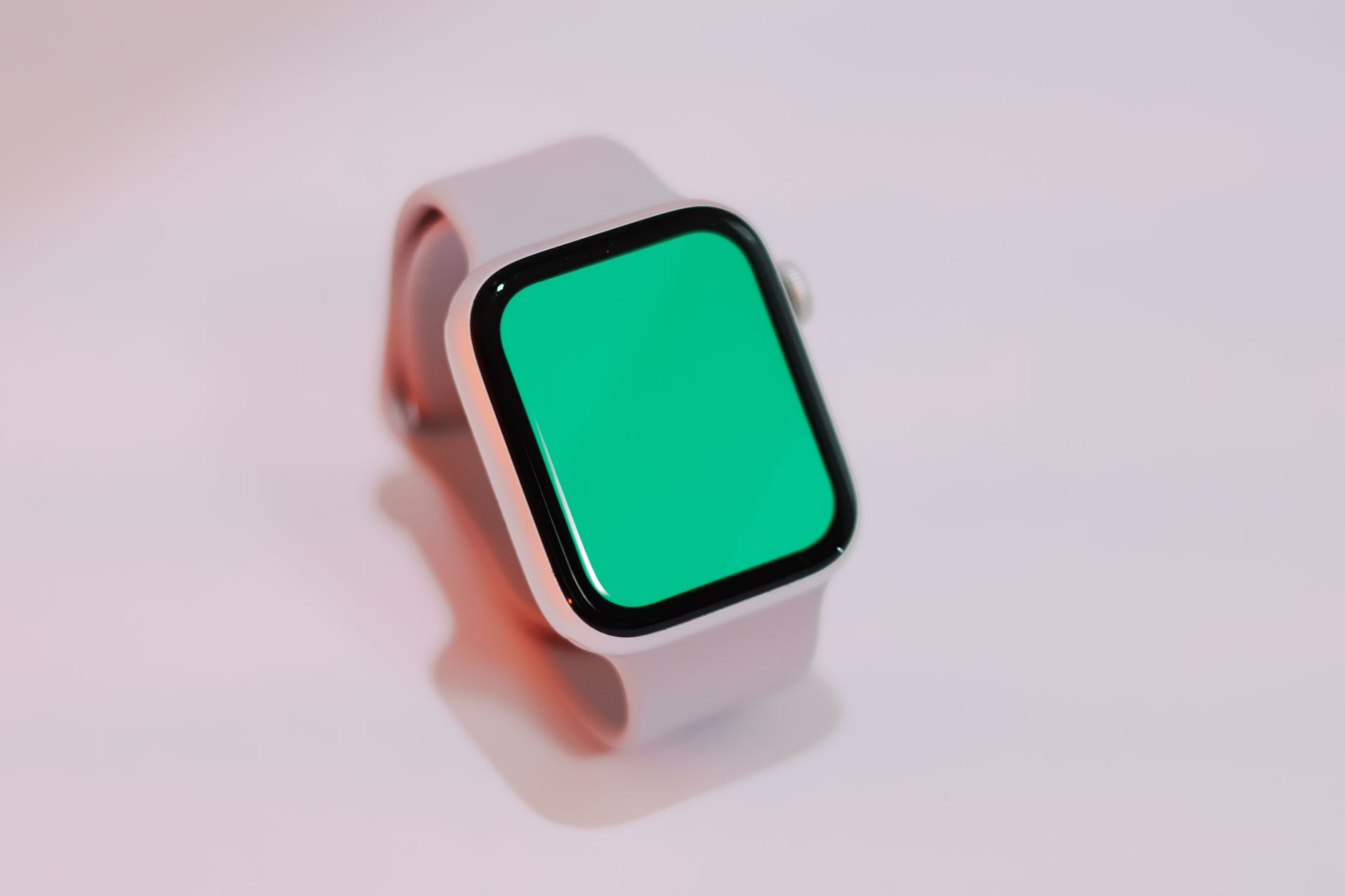
Garmin has launched the ninth generation of its flagship Fenix line, the Fenix 9 and Fenix 9 Pro, positioning the new models as premium tools for training and exploration. Priced at more than £850, the watches arrive with a titanium case, a 1.3‑inch AMOLED touchscreen that Garmin claims is twice as bright as the previous generation, 64 GB of internal storage, and a suite of connectivity options that include in‑reach messaging, SOS alerts and live‑track notifications that can operate without a paired phone.
Design, Build and Size Options
The Fenix 9 series is offered in three case diameters – 43 mm, 47 mm and 51 mm – each featuring the new lightweight titanium construction. Reviewers with smaller wrists highlighted the 43 mm Pro model as less cumbersome than comparable devices such as the Apple Watch Ultra range. The watch weighs 45 g without the strap, according to the author’s scale, and feels “svelte” on the wrist. The included silicone strap is described as comfortable when not overtightened.
Colour options span carbon grey, several titanium finishes, pebble grey, fog grey and autumn‑themed shades. Solar‑charging variants are marketed to achieve up to 57 days of battery life, while the non‑solar 43 mm model is rated for up to 10 days in smartwatch mode. In real‑world testing, the non‑solar Pro unit delivered more than eight days of charge straight out of the box and remained functional after a week of mixed activities without needing a recharge.
Performance, Health Tracking and Battery Life
Garmin emphasizes enhanced sport and health metrics. New indoor‑rowing and rucking data fields, as well as on‑wrist follow‑along workouts for rucking, are highlighted for CrossFit enthusiasts. The Epic feature allows athletes to combine multiple activities into a single “cohesive story,” a capability aimed at triathletes and multi‑stage cyclists.
Stamina tracking is introduced to show how endurance adapts over time, though the reviewer notes that longer usage is needed to fully assess its impact. Health monitoring includes sleep tracking that the author found more accurate than on a previous Vivoactive 6, and the Body Battery score, a 0‑100 rating that reflects energy reserves based on activity and rest.
During a run, the watch displayed pace, gradient, cadence and other metrics, and could be pre‑programmed via the Garmin Connect app to deliver vibration cues for interval training. Post‑workout graphs compiled data on pace, heart rate, running power and recovery, providing detailed insight for performance analysis.
Connectivity, Software and User Experience
Setup integrates the watch with a smartphone and the Garmin Connect app, automatically importing historical performance data from the reviewer’s prior Vivoactive 6. Phone notifications appear on the wrist, though they lack the rich media detail found on Apple or Google platforms. In‑reach connectivity enables essential text messaging, SOS alerts and voice calls directly from the watch, but the feature is described as suited for basic communication rather than extensive group chats.
The home screen is noted as less clean and intuitive than competing devices, yet the customisable on‑screen metrics, maps and data points become valuable once a workout begins. Livetrack notifications, exclusive to the Pro model, allow friends and family to follow an activity in real time without the user needing a phone.
Overall, the reviewer found the device to be lightweight, comfortable and packed with sport‑first features. However, the high price point and the emphasis on advanced athletic data may make the Fenix 9 Pro less attractive to users who view wearables primarily as lifestyle accessories.
In summary, Garmin’s latest flagship delivers a premium build, brighter display, extensive storage and a battery that can last well beyond a week in standard use. Its advanced metrics and emergency connectivity cater to serious athletes and explorers, while the cost and sport‑centric design may limit its appeal to the broader consumer market.






Be First to Comment