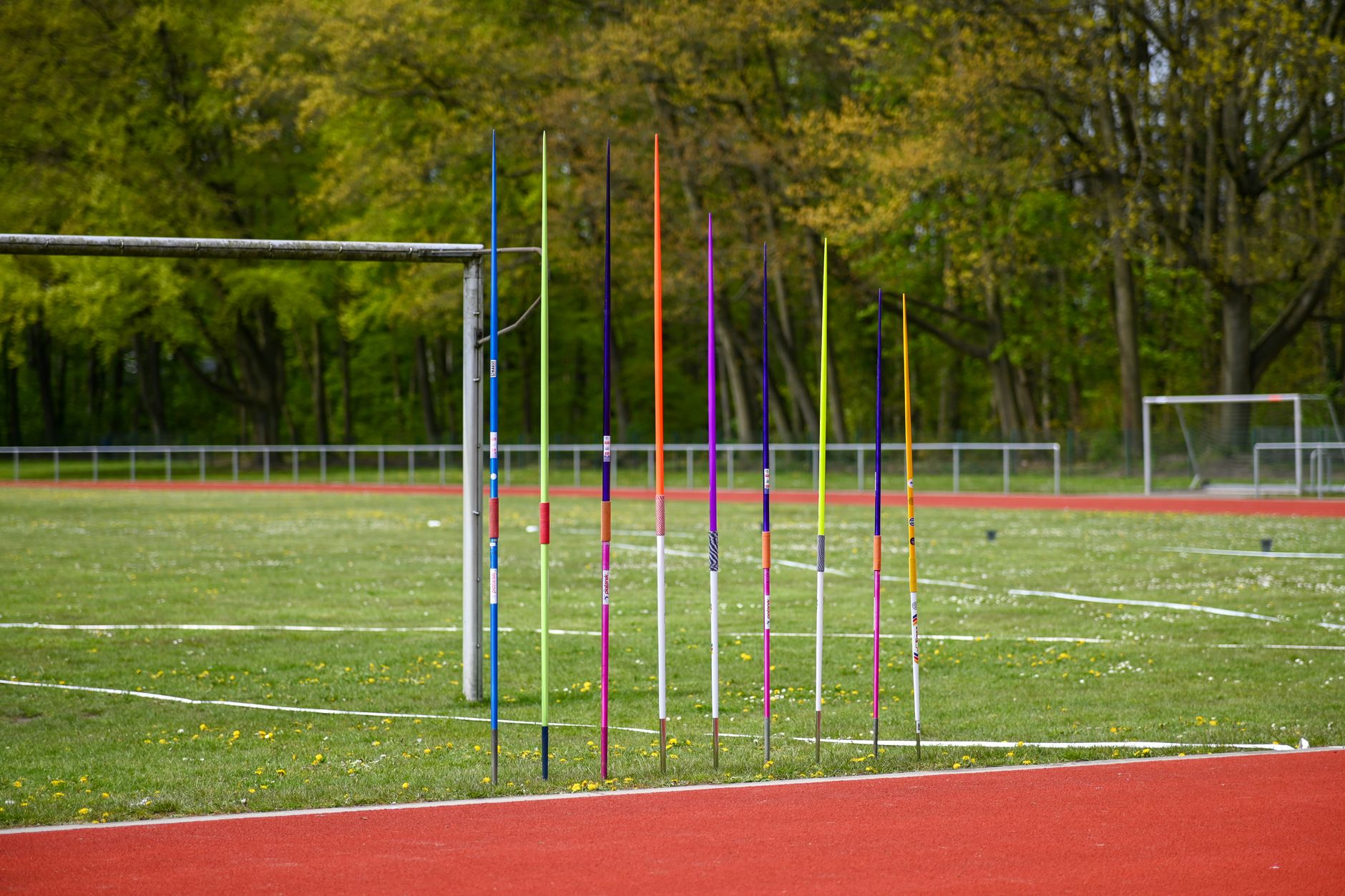
NEW DELHI – On 2 October 2023, India’s Rohit Yadav stepped onto the Jawaharlal Nehru Stadium in Aichi-Nagoya, Japan, for the Asian Games javelin final carrying more than a piece of sporting equipment. In his hand was a javelin signed by Olympic and world champion Neeraj Chopra, a quiet gesture of support that accompanied Yadav to an international podium as he secured a bronze medal with a throw of 84.35 metres.
Road to the Asian Games
The journey to that moment began in June when Yadav clinched gold at the National Inter‑State Senior Athletics Championships in Bhubaneswar, registering a personal best of 87.05 metres. The victory was a high point, but it was followed by an unexpected setback. Upon returning to his training base at the National Institute of Sports in Patiala, Yadav discovered that his preferred javelin had bent, apparently during air transit inside its protective PVC tube in the aircraft’s cargo hold.
With his own equipment compromised, Yadav competed at the Commonwealth Games in Glasgow using a borrowed implement. In cold, windy conditions he finished seventh with a throw of 81.56 metres. The experience underscored the importance of having a trusted javelin, especially as the Asian Games loomed only months away.
Neeraj Chopra’s support
In September, while traveling from Patiala to Delhi for the Indian Athletics Final Series on the 10th, Yadav reached out to Neeraj Chopra, who was then in Delhi for rehabilitation after withdrawing from the remainder of the season, including the Asian Games, due to an ankle ligament injury. Yadav explained that he had no javelin of his own for the upcoming Asian Games. Chopra responded immediately, arranging for one of his own signed javelins to be dispatched via a private taxi service to the JLN stadium in Delhi.
Although Chopra’s gesture ensured Yadav had a replacement, a regulatory hurdle remained. The javelin could not be used in Delhi because it had not been registered with the Technical Information Centre (TIC) for inspection, a requirement for competition‑eligible equipment. Consequently, Yadav borrowed a different, already‑registered javelin for the domestic event, while carefully packing Chopra’s gift for transport to Japan.
Bronze medal performance and future goals
At the Asian Games, Yadav registered two javelins with the TIC, but he chose to compete with the one gifted by Chopra. He said, “I had a good grip and hold over it, and with that javelin I made the winning throw to secure bronze with 84.35 m.” After the competition, Yadav listened to a voice message from Chopra congratulating him, urging him to enjoy the win and promising to compete together once Chopra returns fully fit.
Back home in Jaunpur, Uttar Pradesh, Yadav is using the off‑season to spend time with family ahead of Diwali. He expressed ambition beyond the Asian Games podium, stating, “I want to earn a Diamond League entry, compete internationally and qualify for the World Championships next year. The ultimate target remains the Los Angeles Olympics.” He also confirmed that he intends to keep using the Chopra‑signed javelin in future competitions.
The episode highlights the camaraderie within India’s throwing community, where a champion’s personal equipment can become a lifeline for a teammate. It also underscores the logistical complexities athletes face, from equipment transport to compliance with technical regulations, especially when competing abroad.
Yadav’s bronze adds to India’s medal tally at the Asian Games and marks his first major international podium finish. While Chopra’s own campaign was curtailed by injury, his contribution off the field demonstrates a different kind of athletic leadership, one that may inspire other athletes to support each other in the face of unforeseen challenges.



Be First to Comment