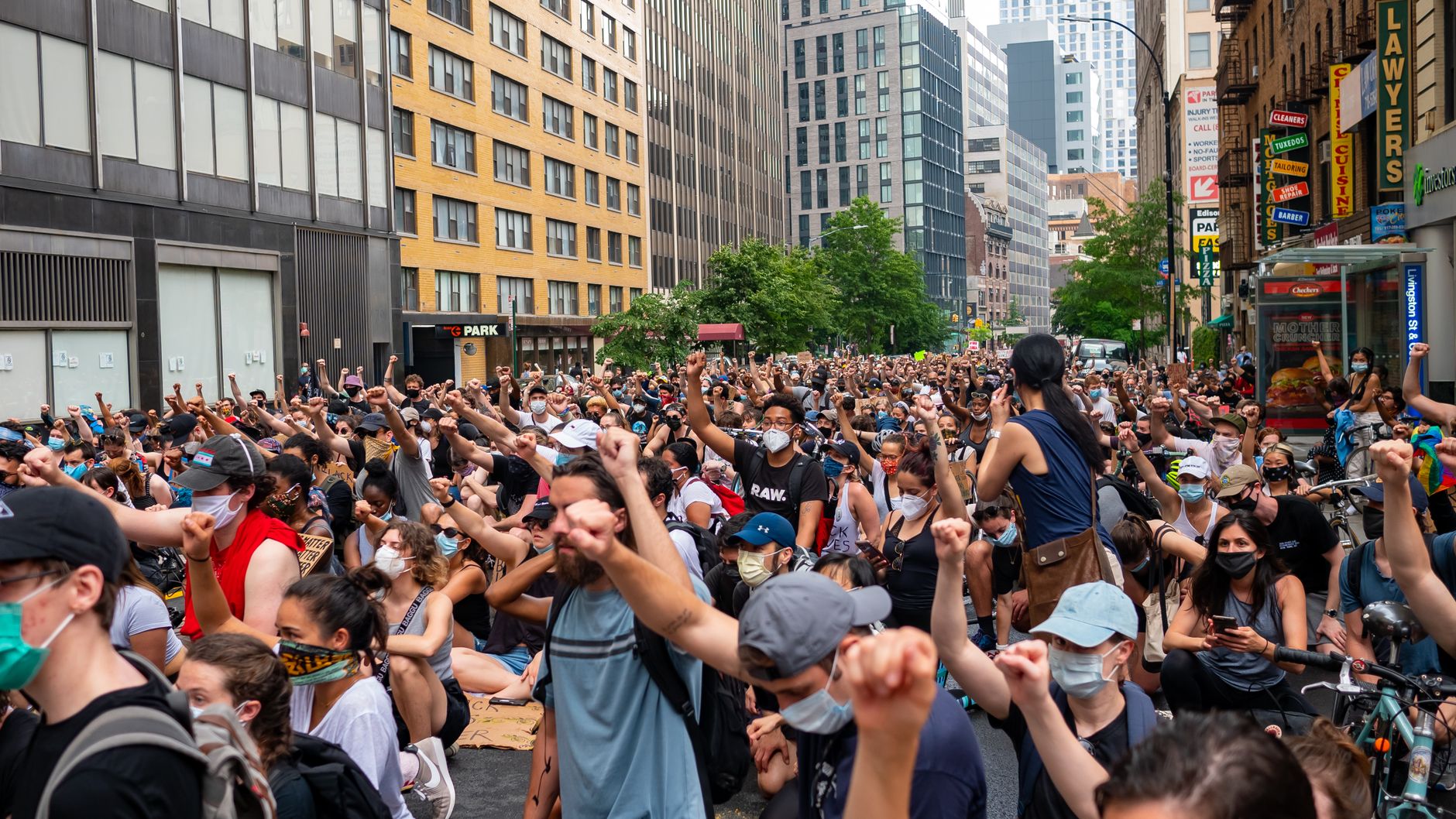
Delhi authorities ordered the closure of six metro stations on Monday, citing security concerns, as opposition parties and supporters of a youth‑led movement prepared a march to the Supreme Court. The protest is aimed at demanding the resignation of chief election commissioner Gyanesh Kumar and challenging a recent revision of voter lists that has ignited days of unrest across the capital.
Background to the voter‑list controversy
The revision, which began last year, resulted in the deletion of more than 130 million names from electoral rolls – a figure larger than the entire population of Japan. Among those removed were 30 million individuals whose whereabouts could not be verified, 28 million recorded as deceased, and 63 million who had reportedly relocated. Opposition parties allege that the deletions disproportionately affect Muslim voters and other minorities who are less likely to support the ruling Bharatiya Janata Party (BJP). Both the election panel and the BJP have rejected these allegations, insisting that the process was impartial.
The Election Commission has maintained that no political party is being favoured and has offered a pathway for wrongly deleted voters to re‑enrol. The BJP, meanwhile, has accused opposition forces of attempting to undermine India’s democratic framework by questioning the legitimacy of established electoral procedures.
Escalating protests and police response
Opposition parties and supporters of the so‑called “cockroach” youth movement have taken to the streets almost daily throughout the month, calling for Kumar’s removal. Over the weekend, police detained thousands of demonstrators, including leaders of the Cockroach Janta Party (CJP). Security personnel also sealed off central Delhi, preventing further large‑scale gatherings.
In response to the planned Supreme Court march, police announced that traffic restrictions and diversions would be implemented at 20 locations throughout the city. The six metro stations slated for closure were identified as part of these security measures, though the specific stations were not named in the announcement.
Congress party’s Supreme Court march
The main opposition Congress party has declared that it will march to the Supreme Court to submit a memorandum to Chief Justice Surya Kant. The memorandum is expected to demand an end to what Congress describes as “vote theft” and to call for the resignation of Chief Election Commissioner Gyanesh Kumar.
Congress leader Rahul Gandhi addressed supporters on the social platform X, urging “Youth, all opposition parties, civil society groups, all those who believe in democracy and stand by the Constitution of India, will walk with us.” Gandhi’s appeal underscores the broad coalition that the party hopes to assemble for the Supreme Court demonstration.
Chief Justice Surya Kant, however, declined a direct meeting with Gandhi and the Congress delegation, stating via email that the matter is already before the court and should be addressed through formal judicial proceedings. A Congress source confirmed the chief justice’s response and indicated that the party will proceed with its planned legal filing.
CJP’s demand for a protest date
Separately, the Cockroach Janta Party announced that its leaders would meet with Delhi police to demand a specific date for a peaceful protest. The CJP warned that if a date is not provided within 24 hours, it may issue a fresh call for demonstration, signaling a willingness to intensify pressure on authorities.
The youth movement behind the CJP has previously organised protests on issues ranging from government school infrastructure to employment opportunities. It is regarded as one of the most significant political challenges to Prime Minister Narendra Modi and the BJP during Modi’s twelve‑year tenure.
Triggering reports and internal concerns
The current wave of protests was sparked after the Indian Express newspaper reported that two deputies of Chief Election Commissioner Gyanesh Kumar had raised internal concerns regarding the voter‑list revisions, the registration process, and the digital systems used for verification. The report added a layer of internal dissent to the already volatile public debate.
As the situation unfolds, Delhi remains on high alert. Police continue to monitor potential flashpoints, and traffic authorities have warned commuters of possible delays and diversions. The combination of metro closures, road restrictions, and large‑scale protest plans underscores the tense atmosphere surrounding the voter‑list controversy and the broader political contestation in India’s capital.
Authorities have reiterated that the metro station closures are temporary and solely for security reasons. They have not indicated a timeline for reopening, leaving commuters to rely on alternative transport options while the city braces for the scheduled march to the Supreme Court later this week.






Be First to Comment