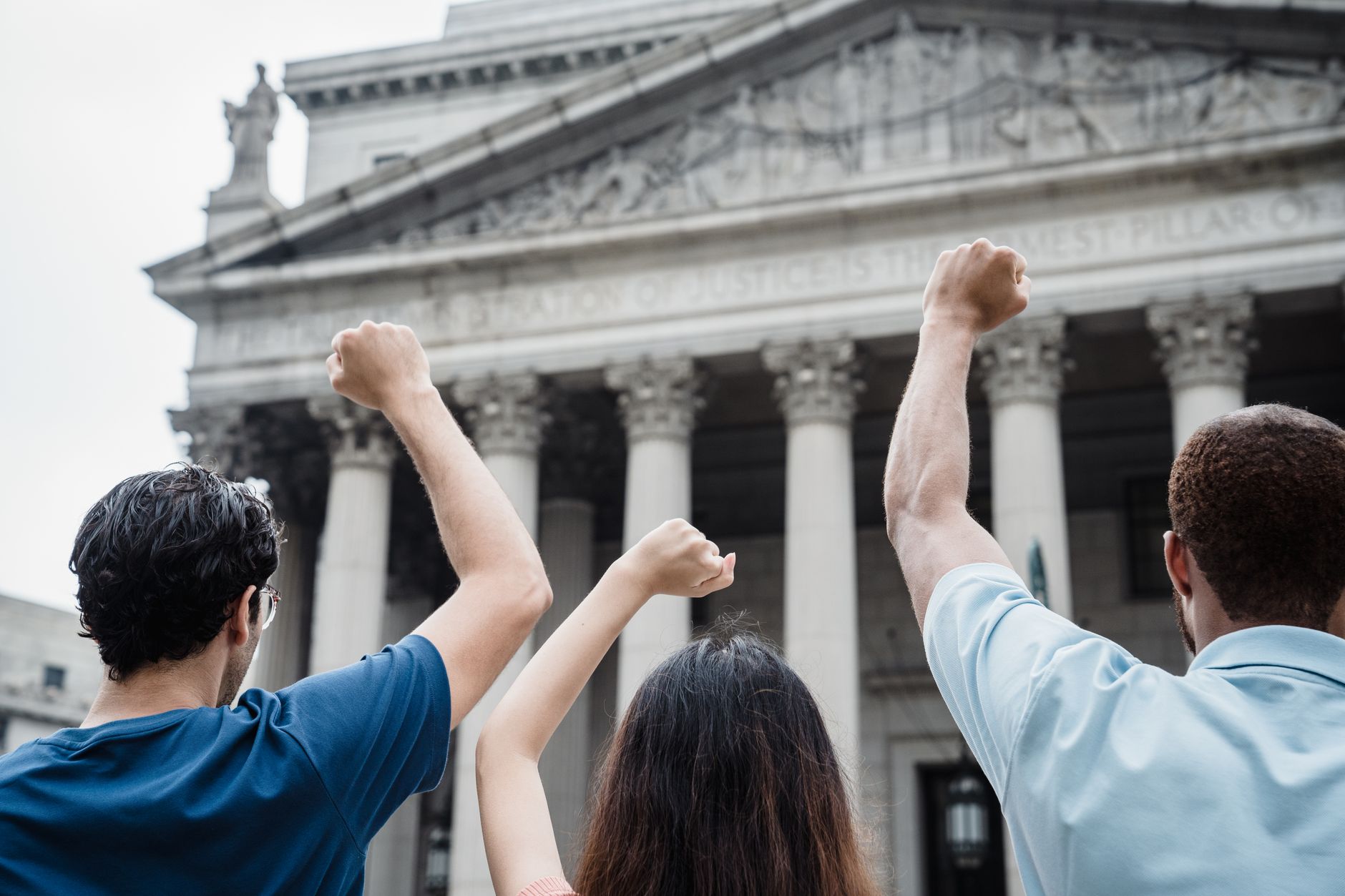
New Delhi – On Monday, October 12, the Congress party together with a coalition of opposition groups will march to the Supreme Court to demand the resignation of Chief Election Commissioner Gyanesh Kumar. The protest follows allegations of irregularities in the Special Intensive Revision (SIR) of electoral rolls and comes a day after a police crackdown on demonstrators in the capital.
Opposition’s rallying call
Lok Sabha Leader of the Opposition Rahul Gandhi used his X account to urge young people, civil‑society organisations and all opposition parties to join the demonstration, which the Congress has branded “Chalo Delhi – March for Democracy.” According to the announcement, participants are to assemble at 1:30 p.m. at the Connaught Place‑Barakhamba Road junction before proceeding to the Supreme Court.
Gandhi’s post appealed for unity beyond party, gender, caste, community and state, describing the previous day’s protest as peaceful and noting that demonstrators were beaten by both police and “BJP goons.” He pledged that the upcoming march would be a collective Indian effort, inviting anyone who believes in democracy and the Constitution to walk alongside the opposition.
Legal and procedural backdrop
The opposition intends to submit a memorandum to Chief Justice of India Surya Kant, seeking an end to what they term “vote chori,” a suspension of the SIR process and the resignation of the CEC. Sources, however, indicated that the CJI had not confirmed a meeting with Gandhi or Rajya Sabha Leader of the Opposition Mallikarjun Kharge, who had requested a slot between 4 p.m. and 5 p.m. on Monday.
The Supreme Court intervened on Sunday after the police action on Saturday. A bench comprising Justices Joymalya Bagchi and V Mohana ordered the immediate removal of prohibitory orders imposed under Section 163 of the Bharatiya Nagarik Suraksha Sanhita around the court complex. The judges emphasized that peaceful citizens should not face illegal detention and that movement across Delhi must conform to the law. The court is hearing petitions challenging the police crackdown, as well as a contempt plea alleging non‑compliance with its earlier directives.
Police action and opposition reactions
Saturday’s police operation targeted demonstrators demanding Kumar’s removal, detaining several activists, including members of the Cockroach Janta Party (CJP). Security forces prevented them from reaching the designated protest site. On Sunday, CPI(M) Rajya Sabha MP John Brittas was taken to Ram Manohar Lohia Hospital after alleging police man‑handling during the protest. Brittas claimed he was dragged for about 50 metres, forced into a vehicle, assaulted inside it and left by the roadside. He later called for an independent investigation and sought accountability from the President, the Rajya Sabha chairman and the CJI. Congress MP Shashi Tharoor condemned the alleged mistreatment and demanded a probe.
CJP activists, released after preventive detention, vowed to resume street agitation. Abhijeet Dipke, Saurav Das and Ashutosh Ranka, who were freed, said they would not be intimidated by senior government figures, adding, “Throw us in jail not just once, but a hundred times.” Delhi Police Deputy Commissioner Neha Yadav defended the detentions, citing prior law‑and‑order violations such as stone‑pelting, arson and damage to public property, and said prohibitory orders were necessary for public safety.
Opposition leaders accused the government of suppressing dissent. RJD chief Tejashwi Yadav described the situation as an “Emergency,” while Samajwadi Party leader Akhilesh Yadav alleged that women protesters were mistreated.
BJP response and political context
The ruling Bharatiya Janata Party rejected the opposition’s allegations and accused it of sowing chaos. Union Minister Sukanta Majumdar likened the opposition’s presence to “a cockroach crawling across one’s back.” BJP leader Karuna Sagar challenged Gandhi and other opposition figures to follow constitutional procedures for removing the CEC, insisting that any evidence of wrongdoing should be presented before Parliament.
Union Minister of State Tokhan Sahu defended the electoral roll revision process, stating it had been carried out under successive governments. Delhi Chief Minister Rekha Gupta also criticised the opposition’s protests, praising the Delhi Police for maintaining public safety.
The current confrontation follows an earlier opposition march from Parliament to Vijay Chowk, after which leaders of the INDIA bloc submitted a memorandum to President Droupadi Murmu. The coalition is now escalating its demand by taking the issue to the Supreme Court, indicating that the dispute over the SIR and the CEC’s position is intensifying.
As the Supreme Court hearing continues and the scheduled march approaches, the political climate in Delhi remains tense. Both sides have framed the events as a test of democratic institutions: the opposition as a fight for electoral integrity and the ruling party as a defence of law and order. The outcome of the Supreme Court’s deliberations and the impact of the upcoming march are likely to shape the narrative around India’s electoral processes in the weeks ahead.





Be First to Comment