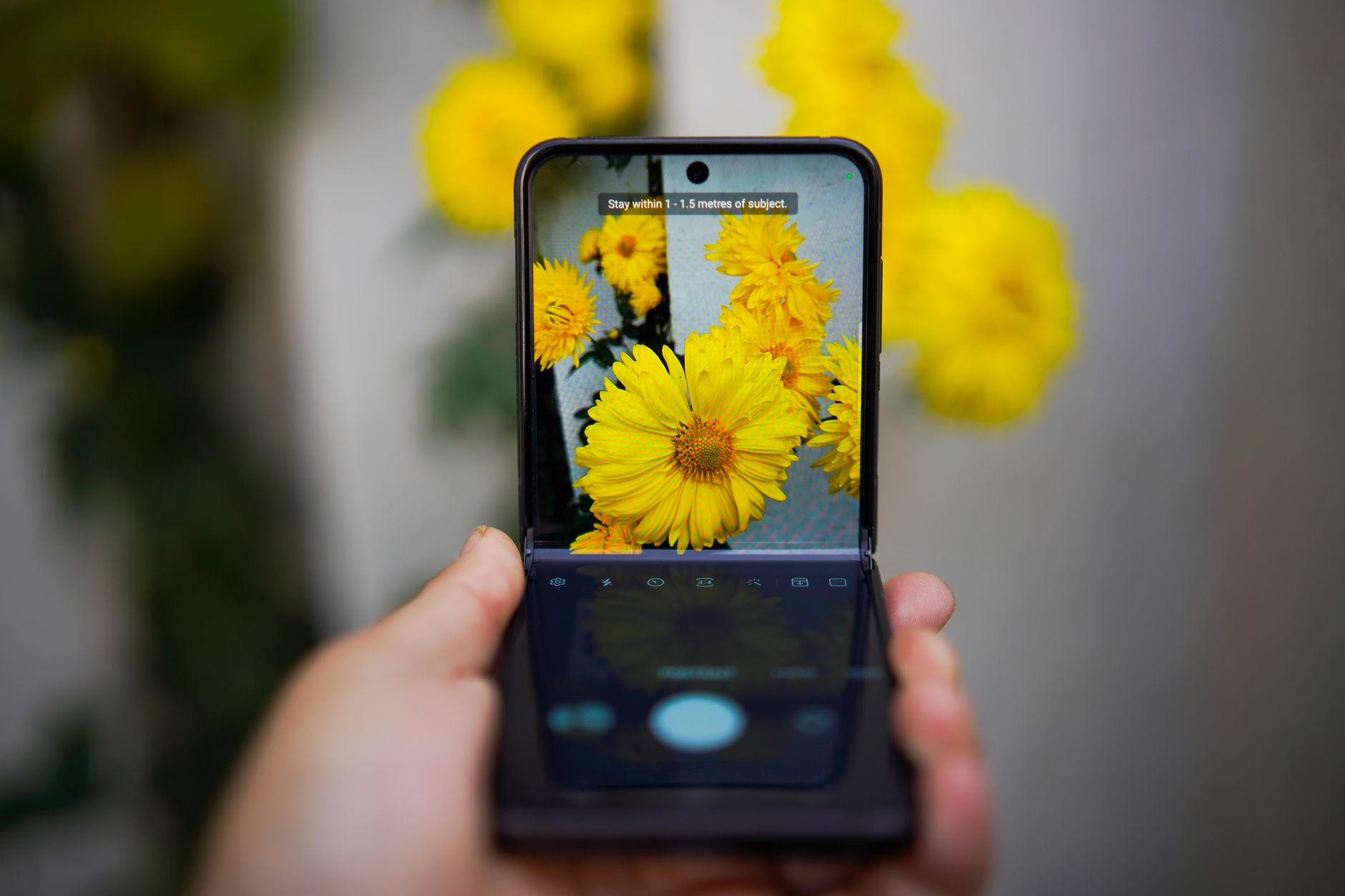
Apple will begin accepting pre‑orders for its inaugural foldable smartphone, the iPhone Duo, on October 16, with the device slated to launch worldwide on October 23 in more than 70 markets. The 256‑GB model starts at $1,999 in the United States. Anticipation of a constrained launch inventory has already spurred a parallel market of automated reservation bots and steeply marked‑up resale listings across Hong Kong, mainland China, the United States and Singapore.
Supply concerns drive secondary‑market activity
Industry observers have repeatedly warned that the first wave of iPhone Duo units will fall short of demand. Bloomberg’s Apple reporter Mark Gurman warned in an October 11 newsletter that buyers would need a “strategy” to secure a device, citing likely shortfalls. Japan’s Nikkei reported in August that daily production was measured in only a few hundred units, while China‑based analyst Ming‑Chi Kuo projected that third‑quarter assembly shipments would range from 500,000 to 1 million units. Kuo’s broader forecast estimates total assembly of 7 million to 8 million units for the second half of 2026, making the Q3 volume roughly 10 % of the overall run‑rate.
Further compounding the supply picture, Chinese local media noted that final‑assembly yields were just above 60 % as of mid‑September, with some experts suggesting it could take up to a year for yields to normalize. These constraints have encouraged buyers to explore alternative channels, including proxy‑ordering services and automated bots.
Hong Kong reseller markets automated pre‑order bots
In Hong Kong, a reseller has drawn attention by promoting an automated pre‑order bot on the social platform Threads. The seller advertises a HK$399 (≈ $51) package that claims to secure two iPhone Duo units within seven seconds, and a HK$899 (≈ $110) option that provides three attempts with a refund guarantee if all attempts fail. Since September 10, the reseller has posted daily screenshots of bot interfaces and past order confirmations, accumulating more than 2,000 comments from interested users.
Security experts cautioned that the bot requires users to input personal data and credit‑card details, creating a risk of data interception. Francis Fong, honorary chairman of the Hong Kong Information Technology Federation, warned that successful acquisition of a device could be offset by potential leaks of personal or financial information.
Resale listings surge with premium pricing
On mainland China, listings for launch‑day purchase proxy services appeared quickly after the iPhone Duo’s unveiling on September 10. Platforms such as Xianyu and Zhuanzhuan featured proxy fees ranging from CNY 500 to CNY 1,000 (≈ $75‑$150). One striking listing offered the top‑tier 2 TB model at CNY 99,000 (≈ $15,000), more than three times the official price of CNY 26,499 (≈ $4,000).
In the United States, eBay hosted a pre‑order listing for the 256 GB model priced at $2,849.95, roughly 43 % above Apple’s official starting price. Singapore’s Carousell marketplace also displayed pre‑order offers, though pricing details were not disclosed.
Conflicting signals on Apple’s supply chain ramp‑up
China’s Securities Times reported that Apple may have underestimated demand and is boosting supply‑chain orders by 30 %, a move that could raise initial availability to around 10 million units, up from earlier estimates of 6 million to 7 million. AppleInsider expressed skepticism, suggesting the report may have conflated component orders with finished‑product output.
Concurrently, Apple is reportedly trimming component orders for its upcoming iPhone 18 Pro and Pro Max models by 15‑20 %, a possible indicator that demand for premium, non‑foldable devices is lagging or that consumers are waiting for more affordable options.
Apple’s share price closed at $341.27 on October 13 after reaching an intraday high of $348.15, reflecting a 25.9 % gain year‑to‑date.
Competition and buyer‑preparation tools
The iPhone Duo enters a market already occupied by Xiaomi’s 18 Fold, unveiled two days earlier. The Xiaomi model starts at CNY 10,999 (≈ $1,600) and is currently sold only in China. Xiaomi touts a 200‑megapixel main camera, a 6,000 mAh battery and 67 W wired charging, whereas the iPhone Duo offers a 48‑megapixel dual‑camera system, a 60 W charger and a 60‑W fast‑charge capability. Apple counters with a titanium frame, Ceramic Shield glass, IP68 water and dust resistance, and software features such as iOS 27 split‑screen multitasking and Siri AI.
To help prospective buyers navigate the expected rush, Apple introduced a “pre‑order preparation” feature on its online store on October 13. Users can store their preferred color, storage capacity, payment method and shipping address in advance, allowing a final confirmation to complete the order when pre‑orders open at 5:00 AM Pacific Time in the United States, 8:00 PM in Taiwan and 9:00 PM in Japan.
Japanese customers also have access to a 36‑month installment plan through Paidy, with monthly payments of ¥10,133 (≈ $64) for the 256 GB model and an option to waive up to 12 payments if the device is returned after 24 months.
Given the convergence of limited initial supply, high‑priced resale activity and the emergence of automated reservation tools, analysts advise consumers to employ Apple’s pre‑order preparation options and act quickly when the October 16 window opens.






Be First to Comment