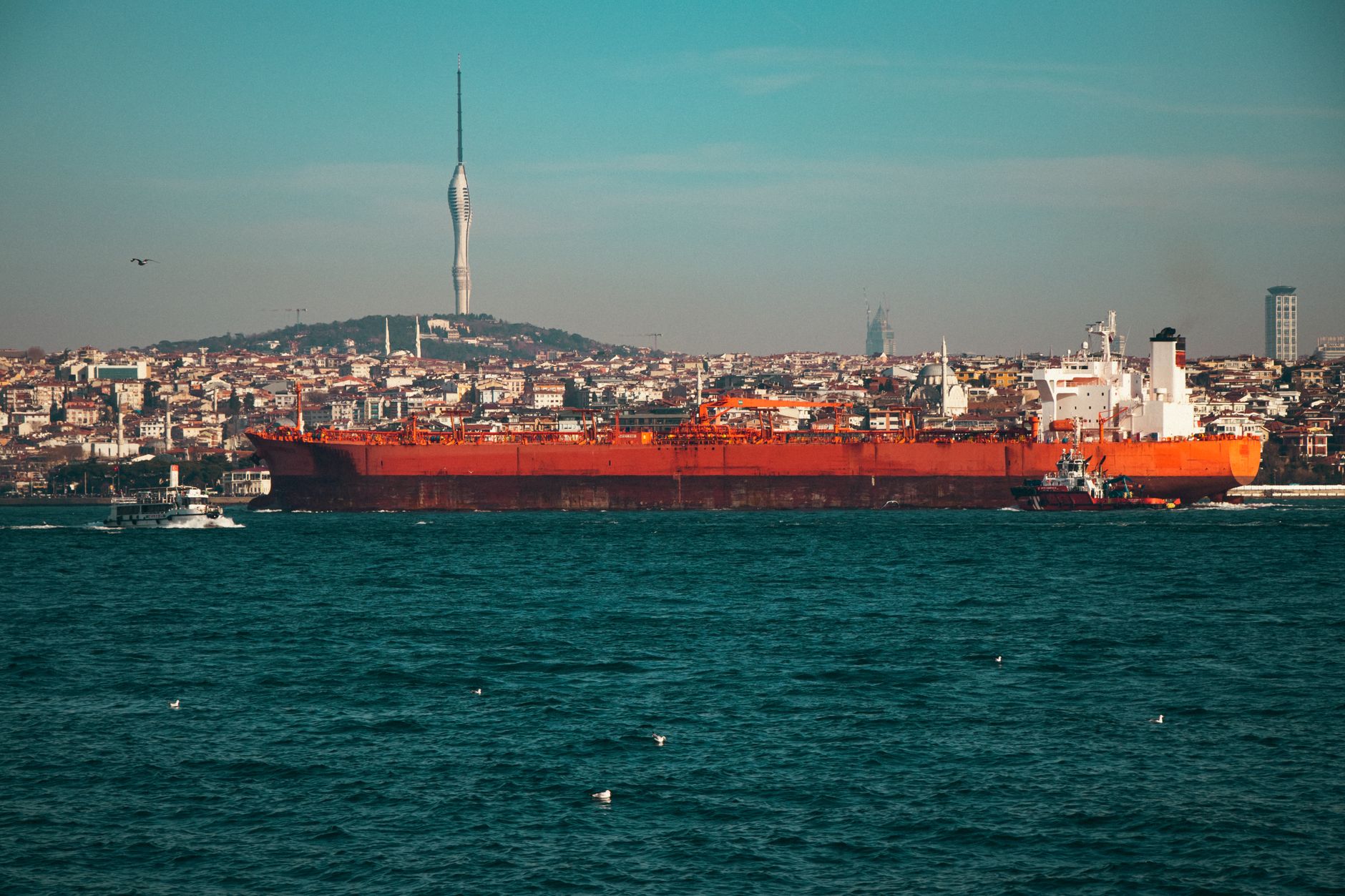
Brent crude futures have moved past the $106 mark as a combination of heightened tanker assaults in the Strait of Hormuz and a steady drawdown of global oil inventories tighten the market. OPEC has simultaneously projected a stronger demand outlook for the coming year, underscoring the growing pressure on supply fundamentals.
Escalating attacks in the Strait of Hormuz
In recent weeks Iran has increased the frequency of attacks on vessels navigating the narrow waterway that links the Persian Gulf to the open ocean. According to the maritime‑risk firm Windward, at least six tankers were struck on October 11 alone. The United Kingdom Maritime Trade Operations (UKMTO) recorded nine separate incidents in and around the strait during the first seven days of October, a figure that represents half of all attacks reported in the entire month prior. Reuters, citing maritime analysts, added that a minimum of a dozen tanker assaults occurred in the week ending October 5.
These incidents come despite the presence of a U.S. Navy‑established alternative corridor intended to safeguard commercial traffic. The heightened danger has forced many operators to adopt “dark mode” navigation, with Windward noting that only two tankers were observed crossing the strait on October 12, both attempting to avoid detection.
Shrinking inventories and rising freight costs
Oil‑industry executives have warned that the cushion of emergency oil supplies is rapidly eroding. The chief executive of Saudi Aramco said the war has already consumed roughly three billion barrels of reserves, with an additional one billion barrels released, leaving commercial stockpiles close to the minimum operational threshold. He cautioned that further releases could jeopardize the storage system’s integrity.
Chevron’s chief executive echoed the sentiment, noting that each cycle of the conflict pushes the market floor higher and makes the system increasingly sensitive. The underlying fundamentals, he argued, are becoming tighter with every development.
Freight rates for moving crude out of the Persian Gulf have surged to unprecedented levels. Ship‑to‑ship transfers, now a common workaround for Gulf producers, have squeezed the available tanker pool. As a result, transportation costs now represent close to one‑third of the overall cargo price, a stark rise from the sub‑5 % share seen before the conflict began.
Tracking data from firms such as Kpler, Vortexa and TankerTrackers suggest that overall tanker movements remain near pre‑war volumes, largely because of these offshore transfers off Oman. Windward, however, reports a markedly lower flow through the Strait of Hormuz itself, indicating a shift in routing patterns rather than an absolute maintenance of volume.
Impact on diesel markets and broader implications
The tightening of the crude market is mirrored in the fuels segment, where diesel prices have reached record highs at the pump. Damage to refinery capacity in both the Middle East and Russia, caused by ongoing hostilities, has sharply reduced fuel output. A recent diesel agreement announced by former President Donald Trump with Russia failed to lower U.S. diesel prices below $6 per gallon. The deal covers only three million tonnes of product—approximately fifteen million barrels—which Reuters’ Ron Bousso noted would satisfy just half of global daily diesel consumption.
Earlier in the conflict, a brief ceasefire in June had temporarily eased price pressures as Middle‑East crude exports rebounded, fueling optimism that a swift diplomatic resolution might follow. That optimism proved premature; the ceasefire ended, mutual strikes resumed, and Gulf states turned to pipelines and ship‑to‑ship transfers to maintain flow, while Yemeni Houthi forces began targeting Saudi energy infrastructure.
Analysts now view the market floor as firmly anchored by physical realities rather than rhetoric. Even statements from U.S. officials that once could sway prices—such as a single TruthSocial post by former President Trump—are no longer sufficient to offset the tightening fundamentals.
With OPEC forecasting stronger demand for the next year, the combination of constrained supply routes, dwindling inventories and soaring freight costs suggests that oil benchmarks will continue to set higher lows. Market participants are likely to see fewer price dips and a more pronounced sensitivity to any further disruptions in the region.






Be First to Comment