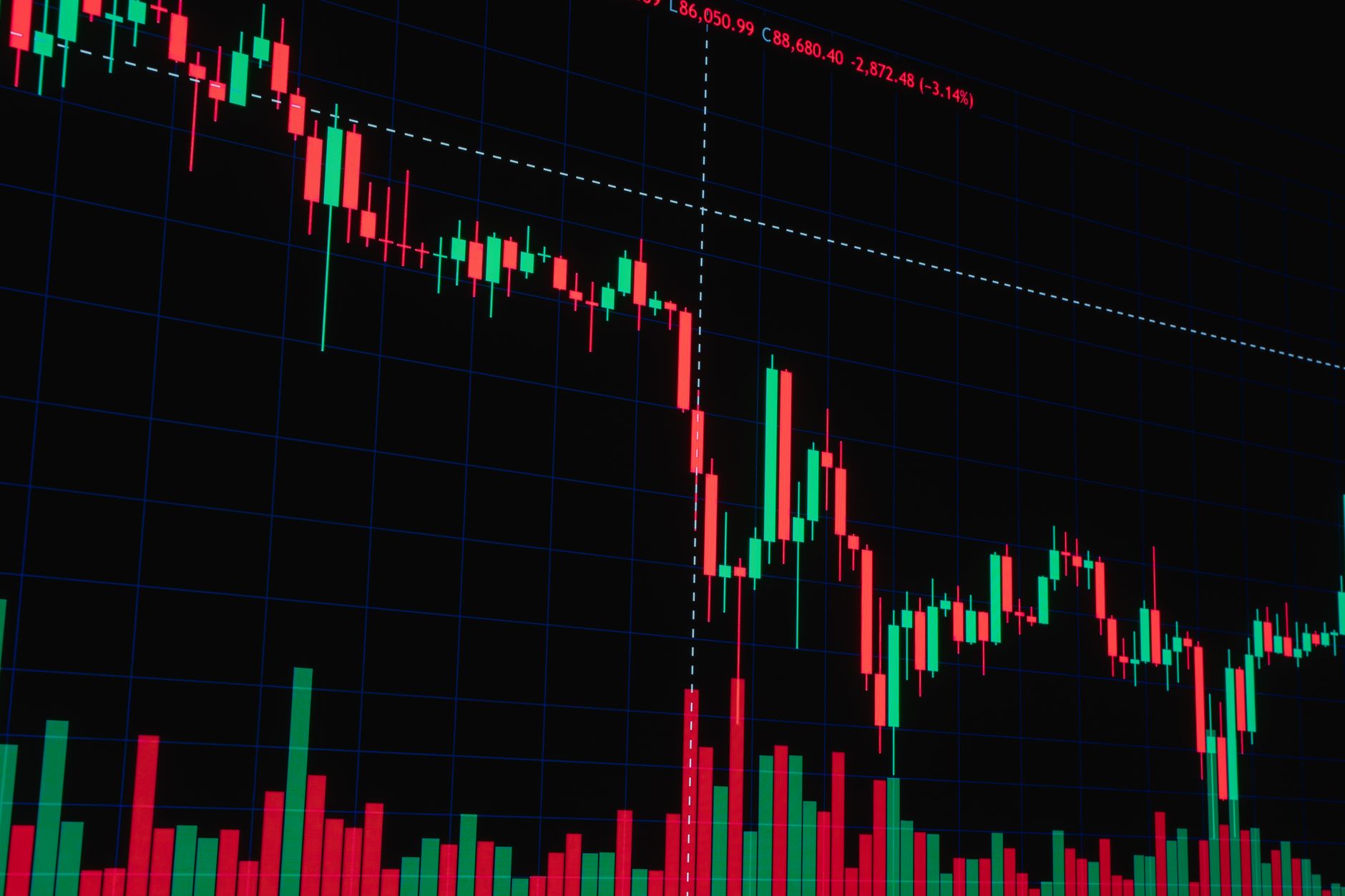
Indian equity markets posted a strong rally on Thursday, October 15, 2026. The BSE Sensex climbed 1,533.72 points, a 2.11% increase, to finish at 74,315.61. The NSE Nifty 50 added 374.65 points, or 1.66%, closing at 22,997.35, just shy of the 23,000 mark. The surge came despite pronounced selling pressure in major Asian exchanges, which were weighed down by concerns over high artificial‑intelligence valuations and persistent U.S. inflation data.
Key drivers behind the rally
Market analysts attributed the Indian market’s outperformance to a combination of global and domestic factors. A broad sell‑off in technology stocks abroad made Indian equities appear relatively attractive, prompting foreign investors to rotate capital into the country’s market. At the same time, falling bond yields helped lower the cost of capital, while a stable rupee and easing crude‑oil prices provided additional support to equity sentiment.
Analysts also highlighted earnings expectations and the flow of foreign institutional investors as decisive variables that could shape the market’s direction in the coming weeks. The rupee, for its part, appreciated 12 paise to close at 95.05 per U.S. dollar, marking the fifth consecutive session of gains and reinforcing confidence among import‑dependent companies.
Commodities moved in a direction that complemented the equity rally. Brent crude oil slipped more than 2%, settling at $103.55 a barrel, while gold rose over 1.3% to ₹1,47,804 per 10 grams and silver climbed 1.32% to ₹2,11,083. The decline in oil prices eased input‑cost pressures for many Indian firms, especially in energy‑intensive sectors.
Sectoral moves and notable stock actions
Within the equity market, three sectors led the gains. The Nifty Private Bank index advanced 1.89%, reflecting optimism about credit growth and banking reforms. The Nifty IT index rose 1.82%, benefitting from the perception that Indian technology firms are well‑positioned to capture global demand as AI‑related spending re‑balances. The Nifty Auto index added 1.67%, supported by expectations of a pickup in vehicle sales as consumer confidence improves.
Conversely, two sectors lagged. The Nifty PSU Bank index fell 1.55%, while the Nifty Media index declined 1.47%. These weaknesses were offset by the strong performance of the leading sectors, allowing the broader indices to close firmly in positive territory.
A standout stock movement involved IDBI Bank. Shares plunged 8% to ₹83.07 after the Union Cabinet approved a stake sale valued at ₹52,878 crore to Fairfax Financial Holdings at a discount. The transaction, described by Deloitte India partner Manish Aggarwal as “one of the boldest and most significant structural reforms” in the banking sector, is expected to bring foreign capital, management expertise, and a strategic partner to the bank. Aggarwal emphasized that the deal could accelerate the transformation of India’s financial services ecosystem and attract long‑term foreign investment.
Currency, commodity backdrop and global context
The rupee’s appreciation to 95.05 per dollar was the fifth straight session of gains, buoyed by a combination of weaker U.S. dollar momentum, easing oil prices, and a rally in Indian equities. The currency’s strength helped reduce the cost of imports and supported profit margins for companies with overseas exposure.
On the commodity front, Brent crude’s decline of more than 2% to $103.55 a barrel was the most significant price move of the day, easing inflationary pressures on the Indian economy. Precious metals moved higher, with gold and silver both posting gains, indicating a modest shift toward safe‑haven assets amid global uncertainty.
Asian equity markets posted mixed to negative results. Japan’s Nikkei index fell over 5%, South Korea’s KOSPI plunged more than 8%, Taiwan’s weighted index dropped 3.53%, and Hong Kong’s Hang Seng slipped 1.15%. The regional weakness underscored the contrast with India’s performance, reinforcing the view that Indian markets offered relative value in a period of global volatility.
Technical levels for the indices were also highlighted. For the Nifty, near‑term support was identified between 22,950 and 22,900, with additional support at 22,750, while resistance lay in the 23,050–23,150 band. The Sensex’s support zone was placed between 74,100 and 73,900, and resistance was seen between 74,600 and 74,900. These levels will be watched closely by traders as the market seeks to sustain its upward trajectory.
Overall, the October 15 session demonstrated the resilience of Indian equities amid a backdrop of global market turbulence. Strong sectoral leaders, a firming rupee, and favorable commodity price movements combined to deliver a notable rally, while policy‑driven developments such as the IDBI Bank disinvestment signaled ongoing structural reforms aimed at deepening the country’s financial markets.






Be First to Comment