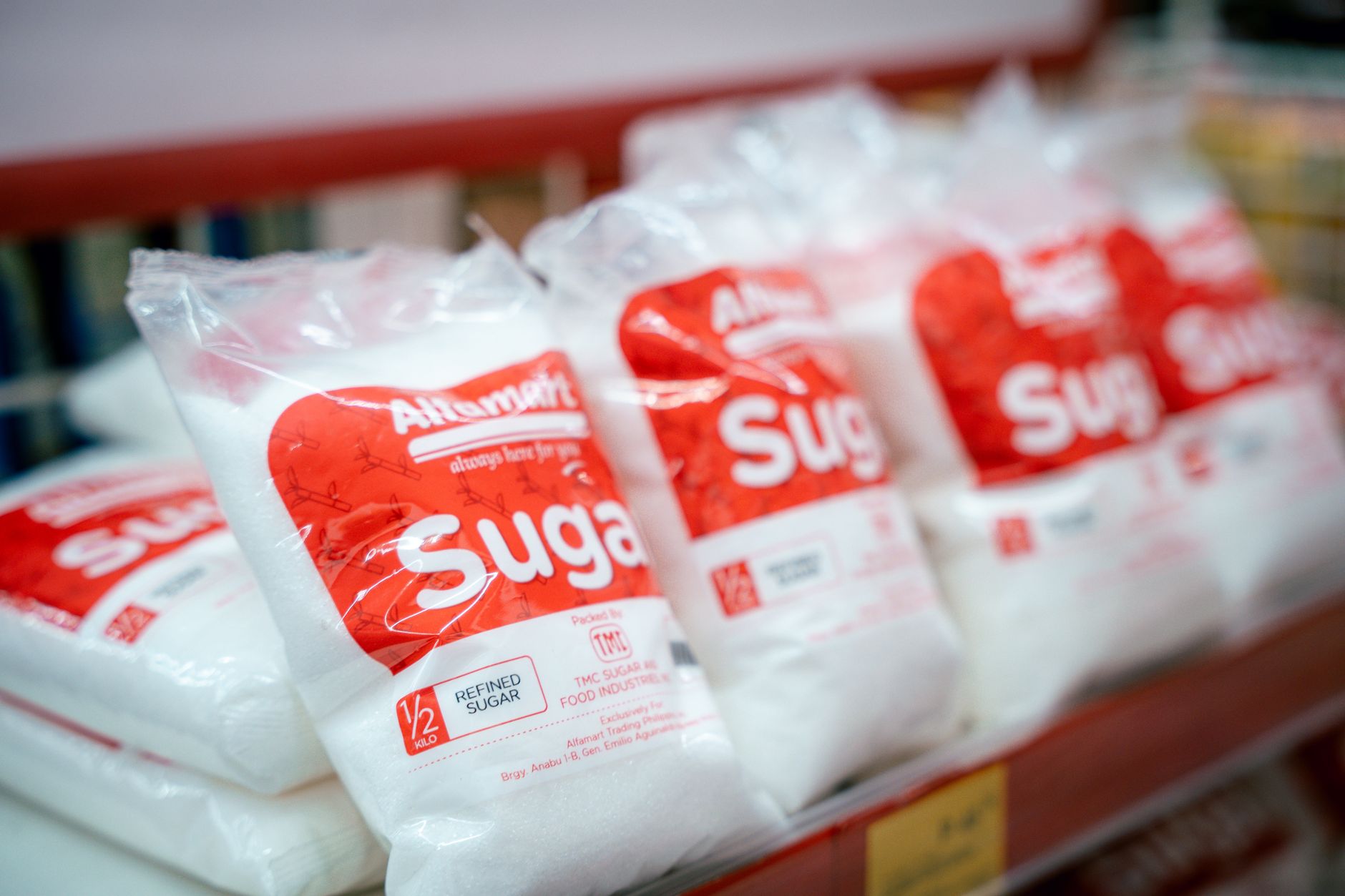
Shares of companies tied to the Indian sugar sector experienced a sharp decline on Monday, with most losing more than five percent after the government announced that the upcoming ethanol procurement tender would not accept supplies derived from sugarcane juice, sugar syrup or B‑heavy molasses for the 2026‑27 supply year. The move effectively removes a high‑margin outlet for sugar producers, prompting a sell‑off across the segment.
Sugar stocks plunge after ethanol tender
On the Bombay Stock Exchange, Bajaj Hindusthan Sugar led the downturn, dropping 5.22 percent to close at ₹20.16 per share in early trade. Dwarikesh Sugar Industries followed with a 4.45 percent fall to ₹44.28, while Shree Renuka Sugars slipped 4.43 percent to ₹21.16. Other listed mills also posted losses: Dalmia Bharat Sugar and Industries fell 3.24 percent to ₹466, Dhampur Sugar Mills slipped 2.81 percent to ₹191.90, Balrampur Chini Mills declined 2.55 percent to ₹704.35, and EID Parry India was down 1.57 percent at ₹683.75.
The sell‑off in sugar‑related equities coincided with a broader weakness on Dalal Street. The BSE Sensex slipped 307.63 points, or 0.41 percent, to finish at 74,421.64, while the NSE Nifty 50 fell 81.30 points, or 0.35 percent, to settle at 23,096.80.
Government’s ethanol tender excludes sugar feedstock
In a tender issued by Bharat Petroleum Corporation Ltd (BPCL) on 16 October on behalf of the state‑run oil marketing companies (OMCs), the government directed that sugar diversion for ethanol production be reduced to zero for the 2026‑27 supply cycle. The tender document, cited by PTI, explicitly stated that no offers would be sought for ethanol produced from sugarcane juice, sugar or sugar syrup, and B‑heavy molasses.
The tender seeks bids for roughly 11 billion litres of ethanol to be supplied between November 2026 and October 2027, a volume intended to satisfy the requirement for blending 20 percent ethanol with petrol under the nationwide E20 programme. With sugar‑based feedstocks barred, the tender allows producers to offer ethanol made from maize, broken rice, surplus rice procured by the Food Corporation of India (FCI) and C‑heavy molasses.
Despite the shift away from sugar, the government did not raise incentives for maize‑based ethanol. The procurement price for grain‑derived ethanol was reduced to ₹68.86 per litre from ₹71.86, and the incentive was cut to ₹2.79 per litre from ₹5.79. The lower rates are expected to compress returns for distilleries that rely on maize and other grain feedstocks.
Implications for sugar industry and broader market
For sugar mills, the exclusion of sugar‑based ethanol removes an important revenue stream that historically offered higher margins than traditional sugar sales. The timing of the decision aligns with concerns over domestic sugar availability. Poor monsoon rains in key producing states such as Maharashtra and Karnataka have heightened the risk of reduced output, while rising sugar prices have added pressure on consumers.
India, the world’s largest sugar consumer, has pursued ethanol blending as a strategy to curb reliance on imported crude oil. However, using sugarcane and refined sugar for fuel competes directly with the quantity needed for domestic consumption, especially when harvests are uncertain. By eliminating sugar‑derived ethanol from the upcoming tender, the government aims to preserve sugar supplies and temper domestic price spikes, while still supporting the broader petrol‑blending programme.
The E20 programme, which mandates up to 20 percent ethanol in petrol nationwide, has created a sizable market for domestic distilleries and provided an additional demand source for agricultural producers. The 2026‑27 tender’s focus on grain‑based feedstocks places greater importance on the availability of maize, broken rice, and surplus rice stocks, as well as on the capacity of distilleries to process these alternatives.
Analysts note that the reduced incentives for maize‑based ethanol could dampen enthusiasm among producers, potentially affecting the volume of ethanol supplied under the blending mandate. At the same time, the lower procurement price may help keep the cost of ethanol production in line with the government’s objective of maintaining affordable fuel prices.
Investors appear to have priced in the policy shift, as reflected in the rapid decline of sugar‑linked shares. The broader market reaction, evidenced by the modest fall in both the Sensex and the Nifty, suggests that the tender’s implications are being absorbed across sectors, with particular sensitivity in commodities and energy‑related stocks.
Looking ahead, the success of the 2026‑27 blending cycle will hinge on several variables: the actual availability of grain feedstocks, the willingness of distilleries to operate under the revised price and incentive structure, and the extent to which domestic sugar production can meet consumption needs without the cushion of ethanol diversion. The government’s approach reflects a balancing act between energy security, agricultural pricing, and the fiscal health of the sugar industry.
In summary, the exclusion of sugar‑based ethanol from the forthcoming tender has triggered a pronounced sell‑off in sugar‑related equities, contributed to a modest dip in India’s major stock indices, and reshaped the feedstock landscape for the nation’s ethanol blending programme. Market participants will be watching closely how grain‑based ethanol supplies respond to the lower price signals and whether the policy achieves its dual goals of protecting sugar availability and sustaining the E20 fuel mandate.






Be First to Comment