On Tuesday, October 20, 2026, Rashtriya Swayamsevak Sangh (RSS) chief Mohan Bhagwat delivered his annual Vijayadashmi address, which also marks the 101st foundation day of the organisation. In a speech that blended historical reflection with contemporary concerns, Bhagwat cautioned against protests that are driven primarily by political ambition, warning that such unrest could be leveraged by external actors seeking to undermine India’s unity and global standing.
Protests should seek solutions, not deepen divisions
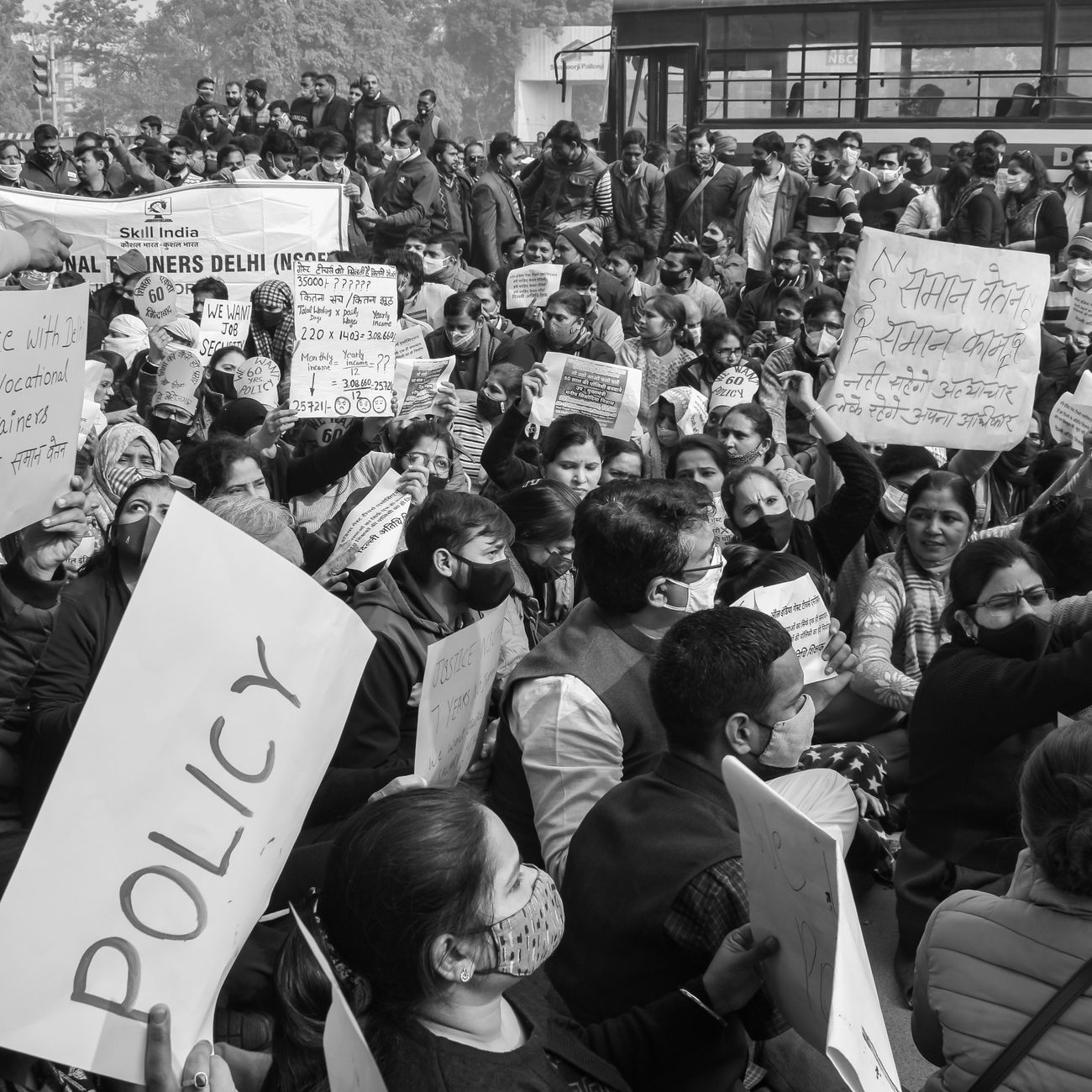
Bhagwat acknowledged that demonstrations often arise from genuine social grievances and administrative lapses. However, he stressed that the purpose of any agitation must be to address problems rather than to amplify hostility or create fissures within the nation’s fabric. He urged protestors, government officials, and political leaders alike to act in ways that do not foster discord, resentment, or sectarian tension. According to the RSS chief, the manner in which a protest is conducted should be guided by constitutional limits and a commitment to civility.
Emphasising the importance of lawful conduct, Bhagwat called on citizens to keep their actions within the bounds of the Constitution, even when emotions run high. He warned that the lure of electoral advantage, fleeting popularity, or partisan gain should not override sound judgment or the collective goodwill of society. In his view, it is a misconception to believe that only the state can resolve societal issues, or that agitation alone is an effective remedy. Instead, he advocated for community-driven initiatives and open dialogue as complementary pathways to problem‑solving.
Foreign forces may exploit internal unrest
When a protest becomes a tool for political hostility toward a particular person, group, or ideology, Bhagwat argued, it opens a window for forces that wish to keep India subdued. He described a pattern of behavior in which such actors seek to widen societal cleavages, nurture a sense of victimhood, and erode confidence in public institutions. The resulting atmosphere, he warned, can spiral into conflict, widespread discontent, alienation, and chaos.
Referencing recent tensions in France and past incidents in Nepal and Bangladesh, Bhagwat suggested that powerful external players might deliberately stoke domestic grievances to weaken India’s rising influence on the world stage. He asserted that India’s progress—driven by its policies, leadership, national confidence, and growing sense of international responsibility—has made the country a significant competitor globally, thereby attracting the attention of those who would prefer a less assertive India.
Current Indian protests provide context
The RSS chief’s remarks arrived amid a wave of both political and youth‑led demonstrations across the country. One prominent movement calls for the resignation of Chief Election Commissioner Gyanesh Kumar, alleging irregularities in the Special Intensive Revision (SIR) of electoral rolls. Bhagwat dismissed the notion that a change of government would automatically resolve such issues, noting that past experience does not support that expectation.
He also recalled a youth protest that unfolded three months earlier at Delhi’s Jantar Mantar. Sparked by the leak of examination papers, the demonstrators demanded the resignation of Education Minister Dharmendra Pradhan. The police response involved barricades, lathi charges, and tear‑gas deployment, and the minister eventually stepped down. Bhagwat used this episode to illustrate how protests can quickly become flashpoints for broader political contention.
Concerns over media influence and youth guidance
Beyond the immediate political landscape, Bhagwat voiced apprehension about the impact of over‑the‑top (OTT) platforms and social media on young people. He argued that unfiltered digital content often reaches impressionable audiences who may lack the capacity to distinguish between accurate information and misinformation. Citing examples of other nations that have imposed restrictions on such platforms after encountering adverse consequences, he suggested that India should contemplate similar measures, particularly for OTT services.
According to Bhagwat, the erosion of traditional values—once transmitted by families, schools, and society—has left the current generation without adequate moral guidance. He warned that this vacuum can contribute to harmful habits, including drug addiction, and called on parents to instill discernment in their children. He also pledged that RSS volunteers, known as swayamsevaks, would support a nationwide effort to combat substance abuse.
Patriotic symbols and the vision of a global guide
Addressing a separate controversy surrounding the national song, Bhagwat affirmed that there should be no objection to singing “Vande Mataram,” describing it as an integral part of India’s cultural heritage. He concluded his address by linking India’s aspiration to become a “Vishwaguru”—a global guide—to the conduct and contributions of its citizens. Bhagwat called for balanced development, social responsibility, discipline, and mutual respect, arguing that national advancement depends on a society that can preserve unity while embracing diversity.
The speech, published at 09:59 a.m. IST on the day of the RSS’s foundation anniversary, encapsulated a broad set of concerns ranging from the conduct of protests and the potential for foreign manipulation to the role of media in shaping youth behavior. Bhagwat’s message underscored a vision of India that seeks progress through internal cohesion, responsible civic engagement, and a vigilant stance against forces that might exploit internal discord.





Be First to Comment