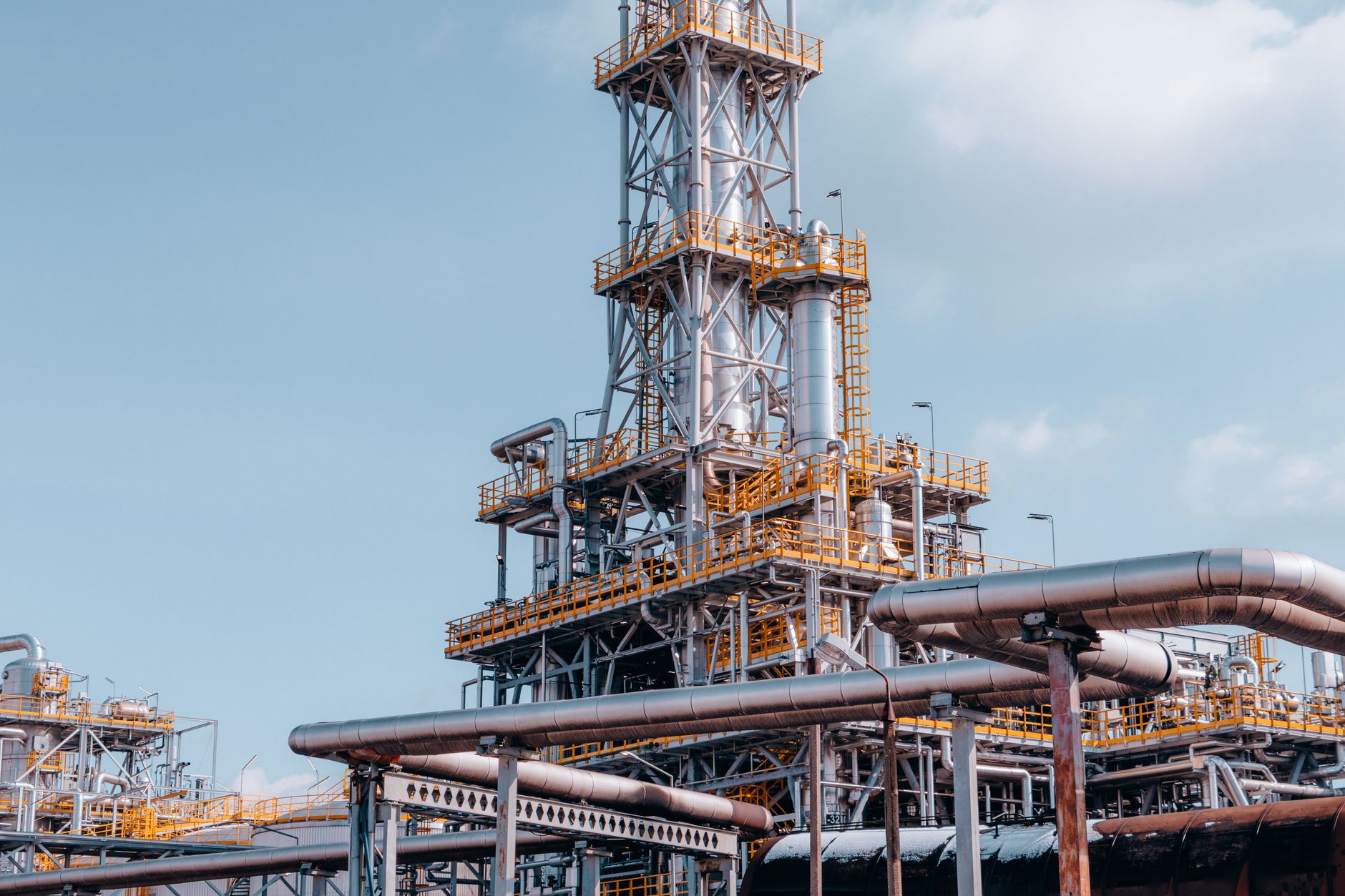
U.S. Secretary of State Marco Rubio is set to travel to Jamnagar, Gujarat, on Wednesday to tour Reliance Industries’ massive refinery complex and discuss how the United States and India might work more closely on refining energy supplies from the Western Hemisphere. In an interview with India’s Network 18, a media outlet owned by Reliance, Rubio said the partnership could benefit both countries, adding, “I think that’s helpful to India, but it’s also helpful to us.”
Reliance’s Jamnagar refinery – scale and recent buying trends
The Jamnagar facility is the world’s largest single‑site refinery, capable of processing 1.4 million barrels of crude oil each day. Its size and technical capability have positioned Reliance Industries as a pivotal player in the global oil market. As of the end of September, the company emerged as the biggest buyer of Venezuelan crude outside the United States, a status highlighted by Rubio as evidence of the refinery’s “extraordinary” capacity to diversify India’s energy supplies.
Rubio suggested that Reliance could increase its offtake of Venezuelan oil, noting that the country is “ramping up energy production” and that India “has had a long history of being able to refine some of that.” He framed this potential expansion as an “opportunity for them [Reliance Industries] to continue to help India diversify its supply chain, its supply of energy.”
U.S. strategic interest in Venezuelan crude and new refinery investment
President Donald Trump has publicly urged India to purchase more Venezuelan oil as a way to replace Russian barrels that have been flowing into the market. While state‑owned Indian oil firms have made opportunistic purchases, Reliance has been identified as the primary private‑sector buyer of Venezuelan crude.
In addition to oil purchases, the two nations have been deepening broader energy ties. In March, Trump announced that the United States would build its first new oil refinery in 50 years, a project he said would be supported by investment from Ambani’s Reliance. Trump later posted on Truth Social that the deal represented a “historic $300 billion dollar deal — the biggest in U.S. history.” Reliance has not confirmed the exact size of its investment, and Eurasia Group’s South Asia practice head, Pramit Pal Chaudhuri, told CNBC that the lack of a formal announcement creates “an air of uncertainty around the deal.”
Rubio indicated that part of his agenda in Jamnagar would be to “clinch” the refinery investment or move it forward, echoing Chaudhuri’s view that the visit could bring more clarity to the partnership.
Domestic market pressures and political backdrop
The timing of Rubio’s trip coincides with a surge in diesel prices across the United States, a development that has drawn attention from truckers, farmers and freight shippers. Analysts expect elevated diesel costs to persist into the next year, a factor that could influence both U.S. domestic policy and international sourcing decisions as the country seeks to secure stable fuel supplies ahead of the upcoming midterm elections.
During a press conference on Tuesday, Rubio highlighted Reliance’s capability to process heavy crude, describing India as a “refining superpower.” He suggested that Indian and Chinese refineries are particularly adept at handling heavy and medium‑heavy crude from Venezuela and Russia, a grade of fuel that is well‑suited for diesel production. This assessment aligns with Chaudhuri’s observation that the refining strength of Indian facilities can support a shift toward heavier crude streams, potentially easing pressure on global diesel markets.
Rubio’s remarks also touched on broader strategic considerations. By encouraging Indian private‑sector involvement in refining Western‑hemisphere crude, the United States hopes to create an alternative supply chain that reduces reliance on Russian oil while bolstering energy security for both nations. The emphasis on “working together more closely” reflects a diplomatic push to align commercial interests with geopolitical objectives.
Reliance’s investment record in the United States further underscores the bilateral dimension of the relationship. Rubio told Network 18 that Reliance has “invested in increasing the refining capacity within the United States,” indicating that the company is already contributing to U.S. energy infrastructure. The upcoming discussions in Jamnagar may therefore explore how to expand that footprint, possibly through joint ventures, technology transfers or additional capital commitments.
As the visit unfolds, observers will watch for any concrete announcements regarding the scale of Reliance’s U.S. refinery investment, the volume of Venezuelan crude that may be redirected to Jamnagar, and the broader implications for global oil trade. The outcome could shape not only the dynamics of U.S.–India energy cooperation but also the competitive landscape for other heavy‑crude processors in Asia and beyond.
In sum, Rubio’s Jamnagar itinerary places him at the intersection of commercial opportunity, strategic energy policy and domestic market pressures. The dialogue with Reliance Industries is expected to probe how the world’s largest single‑site refinery can serve as a conduit for Western‑hemisphere crude, support India’s diversification goals, and contribute to the United States’ effort to secure a more resilient fuel supply chain.






Be First to Comment