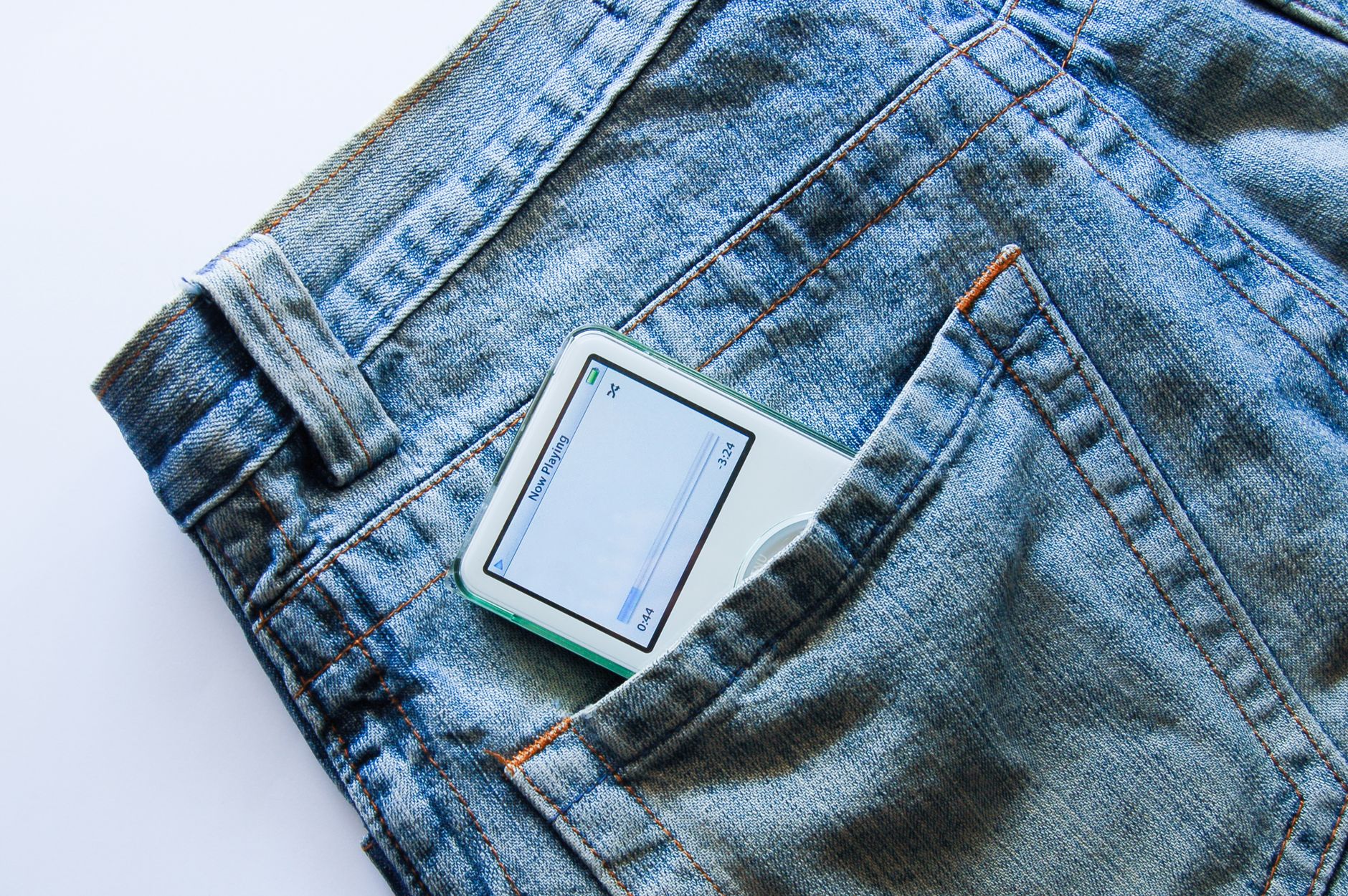
In 2001, popular tracks such as Alicia Keys’ “Fallin’,” Outkast’s “Ms. Jackson” and Nelly’s “Ride Wit Me” dominated the charts. Listeners who wanted those songs away from a car stereo or home system relied on portable CD players, boomboxes or homemade cassette mixes. A few early adopters experimented with portable MP3 players like the Diamond Rio and Creative’s Nomad Jukebox, but those devices were rare and had not yet reshaped the market.
Apple entered the scene with a device that would change the way people carried music. The original iPod, a compact hard‑drive unit encased in smooth white plastic, could store between 1,000 and 2,000 songs—a capacity that seemed almost mythical at the time. Announced on October 23, 2001 and released on November 10, 2001 with a starting price of $400, the iPod introduced a tactile, user‑friendly interface centered around a scroll wheel and bundled white earbuds that quickly became a cultural hallmark.
From Launch to Legacy
The iPod arrived before smartphones were commonplace, yet it foreshadowed the era of information‑forward portable electronics. Its simple click‑wheel navigation and ability to hold a thousand songs in a pocket set a new standard for personal music consumption. Apple’s marketing emphasized the promise of “1,000 songs in your pocket,” a claim that resonated with consumers eager to leave behind skip‑prone CDs and mixtapes.
Tony Fadell, who joined Apple as a contractor and later headed the product division responsible for the iPod, is widely credited as the primary architect of the device. In a recent LinkedIn post marking the 25th anniversary, Fadell recalled the rapid development timeline: “We took it from approval to shipping in less than eight months. There wasn’t time for endless refinements. We had to make decisions, trust our experience and stay focused on one clear promise: 1,000 songs in your pocket.” He noted that the iPod’s success unfolded over several generations, eventually spawning the Nano and Touch models.
Nostalgia and a New Wave of Interest
To commemorate the silver anniversary, Apple Music’s website displays a playful 404 page featuring a mock‑up of the original iPod, its iconic scroll wheel and a selection of songs that users might have stored on the device. CNET writers and editors explored the fully functional online iPod, sharing favorite hits and describing the experience as “nostalgia ASMR.” The outlet also revisited earlier coverage, including former Editor‑in‑Chief Connie Guglielmo’s account of Steve Jobs’ original iPod introduction, a 2021 retrospective by Scott Stein on the iPod’s evolution, and Ty Pendlebury’s commentary on how the iPod retained its dominance despite the rise of music streaming.
While the original iPod remains a touchstone for those who lived through its debut, younger listeners are also rediscovering the device. Axios reported a growing trend dubbed “friction‑maxxing,” in which users intentionally choose a separate physical music player over streaming services on smartphones. This sentiment reflects a desire for a tactile, dedicated music experience that modern streaming platforms cannot provide.
Collecting, Restoring and Competing Options
The resurgence has created a niche collector market. Working original iPod models sell for several hundred dollars on eBay, while unopened units can command prices between $25,000 and $60,000. For enthusiasts seeking a more affordable path, a group called Crowd Supply has released a YouTube preview of a project that replaces the internals of non‑working iPods with new motherboards. Although the product has not yet launched, the initiative illustrates the community’s commitment to preserving the hardware.
Hackers have long shared iPod modification projects on sites like Hackaday, offering step‑by‑step guides for restoring or repurposing the classic player. Meanwhile, other manufacturers have entered the modern portable‑audio space. Fosi Audio’s DAP Neo, priced at $80, provides a contemporary digital audio player experience, and CNET’s 2026 roundup of the best MP3 players highlights devices such as the Shanling M0s and the Android‑based HiBy R4.
For those who prefer software solutions, iOS apps like RetroPod and My Classic – Retro Console emulate the iPod interface, while Android users can try ClassiPod to achieve a similar nostalgic feel without acquiring the original hardware.
Overall, the iPod’s 25‑year milestone underscores its lasting influence on music consumption, hardware design and cultural aesthetics. From a $400 white plastic gadget to a collector’s item valued in the tens of thousands, the iPod’s journey reflects both the rapid evolution of digital audio and a persistent appetite for tangible, personal music experiences.






Be First to Comment