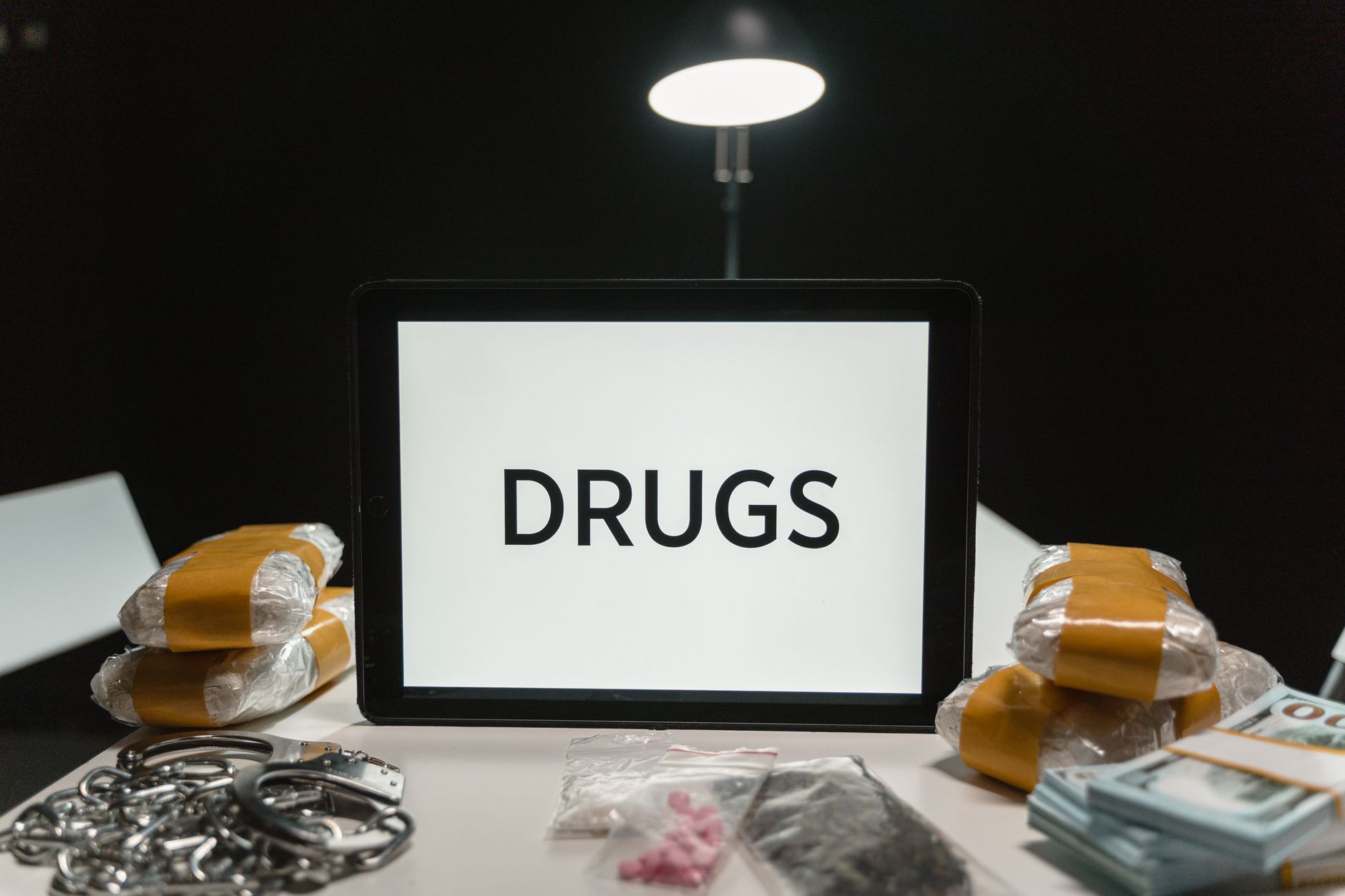
Union Home Minister Amit Shah on Sunday revealed the results of a large‑scale anti‑narcotics operation, dubbed Operation Trident, that targeted an international drug‑trafficking network operating across India’s northeast. The coordinated raids, carried out on October 23, spanned 38 locations in the states of Assam, Mizoram and Manipur. According to the minister’s statement on the social media platform X, the operation uncovered hawala transactions worth Rs 100 crore, led to the freezing of 1,424 bank accounts, the attachment of property valued at Rs 17.82 crore, the seizure of 500 detonators and Rs 12 lakh in cash, and resulted in the arrest of 18 individuals.
Scope and Findings of Operation Trident
Operation Trident was described by Shah as a decisive strike against a cartel that moved narcotics through the so‑called “Death Triangle Corridor,” a route linking India, Myanmar and Bangladesh. The crackdown was carried out jointly by central agencies and the police forces of the three northeastern states, reflecting a high level of inter‑agency coordination. The seized assets illustrate the financial depth of the network: hawala transfers amounting to Rs 100 crore were identified, and more than one thousand bank accounts were frozen, disrupting the cartel’s monetary flow.
Physical evidence recovered during the raids included 500 detonators, a material that could have been used to facilitate violent acts or to intimidate rivals. In addition, cash amounting to Rs 12 lakh was recovered on site. Property worth nearly Rs 18 crore was attached, further weakening the economic foundation of the criminal enterprise. The operation culminated in the detention of 18 suspects, who are expected to face further investigation and prosecution.
Shah used his X post to commend the “anti‑narcotics team comprising central agencies and police forces of the three states,” highlighting the role of coordinated action in dismantling the network. He framed the success as part of a broader governmental mission to eradicate every drug network in the country by December 31, 2029.
Government’s Decade‑Long Anti‑Drug Mission
The announcement of Operation Trident aligns with a series of policy pronouncements made by the Ministry of Home Affairs over the past year. Shah has repeatedly stated that the remaining part of 2026 and the subsequent three years will be devoted to freeing India from the drug menace. At the third National Conference of the Anti‑Narcotics Task Force (ANTF) held in New Delhi in September, the minister reiterated the target date of December 31, 2029 for the complete elimination of drug networks.
In his remarks, Shah emphasized three pillars of the strategy: coordinated action across states, clear targets with accountability, and the dismantling of financial channels that sustain illicit trade. He also linked the anti‑drug drive to broader developmental goals, noting that protecting young people from substance abuse is essential for achieving the vision of a “Viksit Bharat” by 2047.
The minister called on police forces nationwide to participate wholeheartedly in implementing the “Nasha Mukt Bharat” roadmap, a component of the larger “Nasha Mukt Bharat Abhiyaan” campaign. The roadmap outlines operational guidelines for law‑enforcement agencies, emphasizing intelligence‑led investigations, rapid response units, and community outreach to curb demand for narcotics.
Nasha Mukt Bharat Campaign Reach
Parallel to enforcement actions, the government has been scaling up demand‑reduction initiatives under the Nasha Mukt Bharat Abhiyaan, which is administered by the Ministry of Social Justice and Empowerment. Launched on August 15, 2020, the campaign initially covered 272 vulnerable districts. Since then, its reach has expanded dramatically, now touching more than 35 crore people across the country.
Specific outreach figures released alongside the Operation Trident announcement indicate that the campaign has engaged over 13.94 crore young people and 10.86 crore women, reflecting a gender‑balanced approach to prevention. In addition, more than 32 lakh educational institutions have been involved, providing a platform for awareness programmes, counselling services and community‑level interventions aimed at reducing drug demand.
The emphasis on youth and women aligns with the ministry’s assessment that these groups are both vulnerable to substance abuse and pivotal in fostering healthier community norms. By integrating schools, colleges and vocational institutes into the anti‑drug framework, the government hopes to create a preventive environment that complements the hard‑line enforcement actions exemplified by Operation Trident.
Overall, the twin strategy of aggressive interdiction and expansive demand‑reduction outreach underscores the central government’s resolve to meet its 2029 deadline. While Operation Trident represents a concrete, tactical victory against a trans‑national cartel, the broader Nasha Mukt Bharat initiative seeks to address the societal roots of drug consumption, aiming for a sustained decline in both supply and demand.
Shah concluded his statement by asserting that “India will hammer until the last nail is driven into the coffin of drug cartels,” a metaphor that reflects the administration’s determination to pursue the anti‑drug agenda with relentless vigor. The success of Operation Trident, combined with the expanding footprint of the Nasha Mukt Bharat Abhiyaan, will be closely watched as indicators of progress toward the ambitious 2029 eradication goal.





Be First to Comment