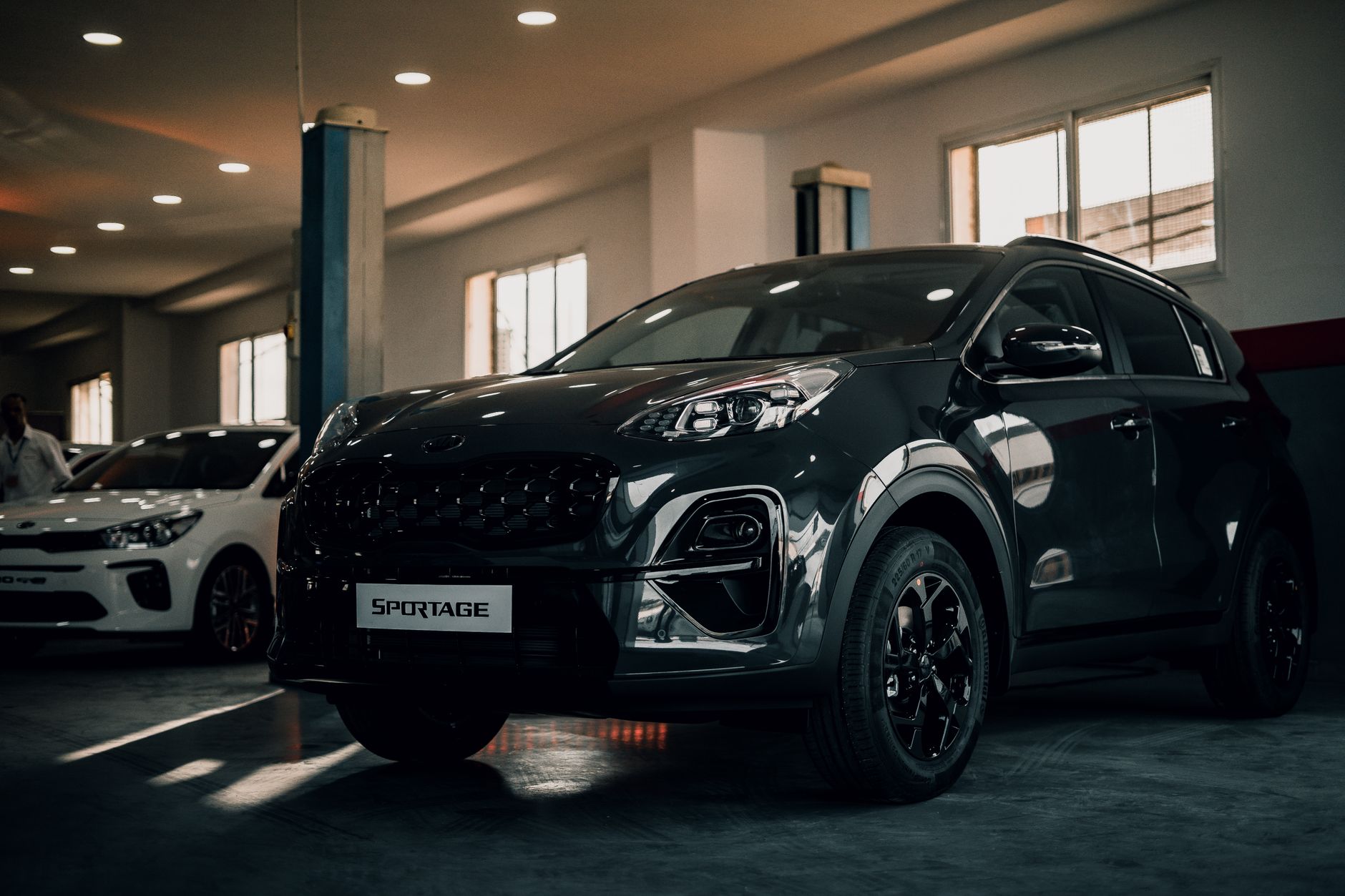
Hyundai Motor India has officially introduced the 2026 Bayon compact SUV, pricing the entry‑level model at Rs 10 lakh ex‑showroom. The launch follows a series of teasers and leaks that built anticipation for the brand’s first new model in the segment since the Creta, which has dominated Hyundai’s Indian volumes in recent years.
Pricing, variants and booking details
The Bayon is offered in seven trim levels – HX2, HX3, HX3 Plus, HX5, HX6, HX8 and HX10 – with all variants starting at the same base price of Rs 10 lakh. Prospective buyers can secure a reservation by paying an initial amount of Rs 11,000 through Hyundai’s authorised dealer network or the company’s official website.
Design language and exterior options
Unlike the more conventional silhouette of the Creta, the Bayon adopts a “quirky” crossover aesthetic. Its front fascia features slim, minimal‑styled LED daytime running lights arranged in an inverted ‘L’ shape, a black strip between them, and LED headlamps mounted on the bumper. A silver skid plate adds a touch of aggression. The profile is highlighted by 17‑inch alloy wheels, pronounced cladding, tall roof rails and muscular haunches that aim to increase road presence.
At the rear, the design mirrors the front with an inverted ‘L’ LED taillamp cluster, a silver bumper applique and the model name “Bayon” displayed on the tailgate. Six monotone paint finishes are available: Atlas White, Titanium Black, Fiery Red, Classy Blue, Golden Bronze and Ecotonic Grey. Fiery Red and Atlas White can be ordered with an optional black roof for a dual‑tone effect, while Classy Blue and Ecotonic Grey are also offered in a matte finish.
Interior layout and equipment
Inside, the Bayon draws inspiration from the global‑spec i20, presenting a dual‑screen cockpit that houses a 12.3‑inch touchscreen infotainment system and a 12.3‑inch digital instrument cluster. The steering wheel carries Hyundai’s newer “morse‑code” logo, consistent with recent models. Higher‑spec trims feature a dual‑tone white‑and‑black cabin theme that creates an airy ambience.
Climate control vents are positioned low on the dashboard in a vertical stack, with the climate‑control knobs sandwiched between them. Rear passengers benefit from dedicated AC vents, USB‑Type‑C charging ports and a centre armrest equipped with cupholders. The boot offers 505 litres of capacity with the rear seats upright and a 60:40 split‑folding arrangement that can expand cargo space when needed.
Standard equipment includes automatic climate control, a panoramic sunroof, an 8‑way power‑adjustable driver seat, ventilated front seats, ambient interior lighting, drive‑mode selector, wireless phone charging, an eight‑speaker Bose audio system, and an auto‑dimming infrared rear‑view mirror. The infotainment platform supports wireless Android Auto and Apple CarPlay, integrates Generative AI, and can recognise voice commands in 23 regional languages.
Safety suite and powertrain
Hyundai positions safety as a core strength of the Bayon. The vehicle is fitted with six airbags, Level‑2 advanced driver‑assistance systems (ADAS), a 360‑degree camera, all‑wheel disc brakes, electronic stability control, hill‑hold assist, electronic parking brake, tyre‑pressure monitoring, and front, side and rear parking sensors.
Under the hood, the Bayon is powered by a 1.5‑litre naturally aspirated petrol engine – the same unit used in the Creta and Verna. Buyers can choose between a manual transmission and a continuously variable transmission (CVT) automatic. The powertrain is front‑wheel drive. Hyundai has also announced that a factory‑fitted CNG kit will become available for the Bayon in January 2027.
Market context and competition
Industry observers note that Hyundai has relied heavily on the Creta for sales volume, while the rest of its Indian lineup has begun to age. The Bayon represents the first of several new products the automaker plans to introduce to broaden its portfolio. Analysts suggest that Hyundai is aiming to capture a share of the Creta’s current market segment, especially as the next‑generation Creta slated for early‑next‑year release is expected to be larger and priced higher.
Potential buyers in the compact SUV segment have a range of alternatives. Direct competitors include the Kia Seltos, Tata Sierra, Maruti Grand Vitara/Toyota Hyryder, Maruti Victoris, Renault Duster/Nissan Tekton, Honda Elevate, Volkswagen Taigun, Skoda Kushaq, Tata Curvv and MG Astor. Each of these models offers varying powertrain options – from CNG and strong‑hybrid to all‑wheel‑drive – and distinct design cues, giving consumers a broad selection within a similar price bracket.
While the Bayon’s single‑engine strategy limits powertrain diversity, its pricing at Rs 10 lakh and extensive equipment list may attract buyers seeking a well‑equipped, stylish crossover without the premium of larger rivals. The upcoming CNG variant could further broaden its appeal among cost‑conscious customers looking for lower running costs.
Hyundai’s decision to launch the Bayon with a distinctive design language, a comprehensive safety suite and a technology‑rich cabin reflects its intent to stay competitive in a crowded segment. The model’s performance in the market will likely hinge on how consumers weigh its quirky styling and feature set against the familiarity and broader powertrain options of established rivals.






Be First to Comment