Pasighat police announced the arrest of three leading figures in the anti‑Siang Upper Multipurpose Project (SUMP) movement on 25 October. The individuals taken into custody are human‑rights lawyer and anti‑dam campaigner Ebo Mili, along with youth activists Otul Jerang and Tajong Talom. Their detention follows a sudden surge of mob violence that rocked the township from Friday night into Saturday, prompting authorities to invoke multiple criminal provisions.
Arrests and legal charges
According to the arrest memo, Mili and Jerang voluntarily presented themselves at the Pasighat police station, signalling a willingness to cooperate with investigators. Talom, by contrast, was intercepted by law‑enforcement officers in Assam while traveling toward Delhi, where he reportedly intended to brief national media on the contested dam project. All three have been booked under Section 48 of the Bharatiya Nagarik Suraksha Sanhita (BNSS). The case is recorded as Pasighat Police Station Case No 114/2026 and includes several sections of the Bharatiya Nyaya Sanhita (BNS) as well as provisions of the Prevention of Damage to Public Property (PDPP) Act.
Escalation of unrest in Pasighat
The arrests came on the heels of a chaotic episode of stone‑pelting, arson and widespread vandalism that began on Friday night. Protestors set fire to the office of the National Hydroelectric Power Corporation (NHPC), torched multiple police vehicles and caused damage to the premises of the Pasighat police station itself. The disturbance extended beyond government buildings, reaching the private residences of several political figures. The homes of state BJP president Kaling Moyong, Pasighat West MLA Ninong Ering and Mariyang‑Geku MLA Oni Panyang were ransacked, underscoring the breadth of the unrest.
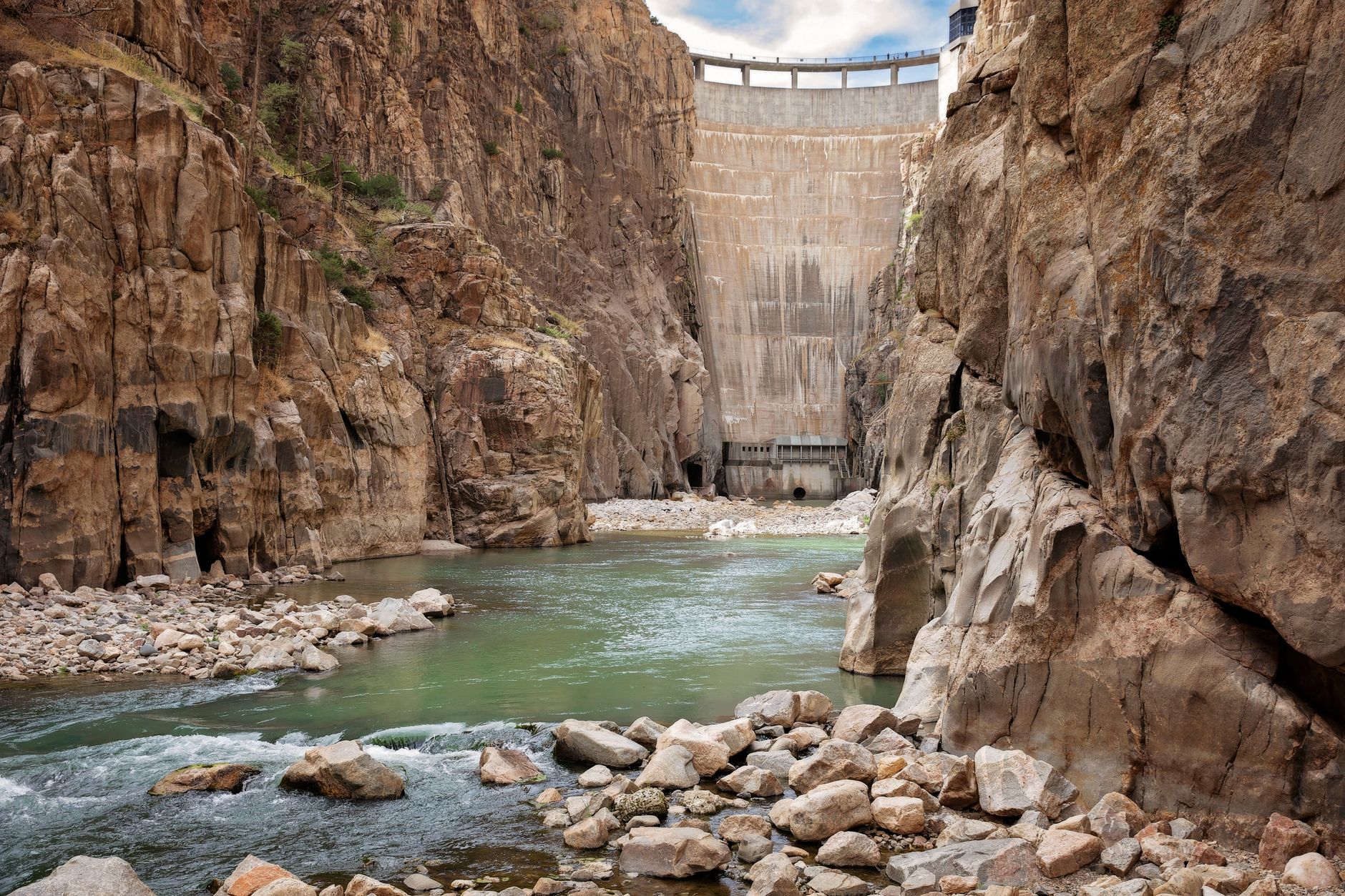
Authorities described the episode as a “massive escalation of unrest” linked to the ongoing agitation against the proposed 11,200‑megawatt Siang Upper Multipurpose Project, a hydro‑electric scheme that has been the focal point of indigenous rights and environmental concerns in the region.
Activists distance themselves from the violence
Despite the intensity of the Friday‑Saturday violence, the three detained leaders have publicly disavowed any involvement. In a social‑media statement, Ebo Mili asserted that the public demonstration had remained peaceful until police forces employed stun grenades and tear‑gas shells, actions he characterized as “unprovoked” and responsible for triggering panic among the crowd. “We are not part of this violence and do not support any kind of violence,” Mili wrote, condemning the subsequent destruction of both public and private property and urging protesters to adhere strictly to non‑violent principles.
Otul Jerang echoed a similar narrative, insisting that the core group of protesting youths had no role in the midnight acts of arson and vandalism. He suggested that “outside elements” had exploited the situation, separating the activist core from the overnight destruction.
Tajong Talom, who resigned from the Adi Students’ Union (AdiSU) shortly before his detention, cited intense personal pressure and targeted harassment of his family as reasons for stepping down. He emphasized that his resignation was driven by the need to protect his relatives amid a climate of intimidation linked to his opposition to the mega‑dam project.
Legal and political context
The Siang Upper Multipurpose Project, slated to generate 11,200 MW of electricity, has been the subject of prolonged protest by indigenous groups and environmental advocates who argue that the dam threatens local ecosystems and the rights of tribal communities. The movement, which has traditionally emphasized peaceful civil disobedience, has faced increasing scrutiny from state authorities as demonstrations have grown in scale.
By invoking the Bharatiya Nagarik Suraksha Sanhita and the Bharatiya Nyaya Sanhita, the Pasighat police have framed the arrests within a broader legal strategy aimed at curbing what they describe as “disruptive” activities. The inclusion of the Prevention of Damage to Public Property Act further underscores the government’s focus on the material damage inflicted during the unrest.
Implications for the anti‑dam campaign
The detention of Mili, Jerang and Talom may have significant repercussions for the anti‑SUMP campaign. All three have been prominent voices advocating for indigenous rights and environmental protection in Arunachal Pradesh. Their removal from the front lines could dampen momentum, especially as the movement seeks to maintain a strictly non‑violent stance in the face of heightened police action.
Nevertheless, the activists’ statements reaffirm a commitment to peaceful protest, suggesting that the broader movement may continue to operate through other channels. The arrests also highlight the delicate balance between state security concerns and the constitutional right to protest, a tension that is likely to shape future discourse around the Siang Upper Multipurpose Project.
As the legal process unfolds, the Pasighat police have indicated that further investigations will determine the extent of involvement by other individuals or groups in the Friday‑Saturday violence. Meanwhile, the anti‑dam activists and their supporters remain poised to challenge the charges, emphasizing that the core of their campaign remains rooted in non‑violent resistance and the protection of indigenous lands.





Be First to Comment