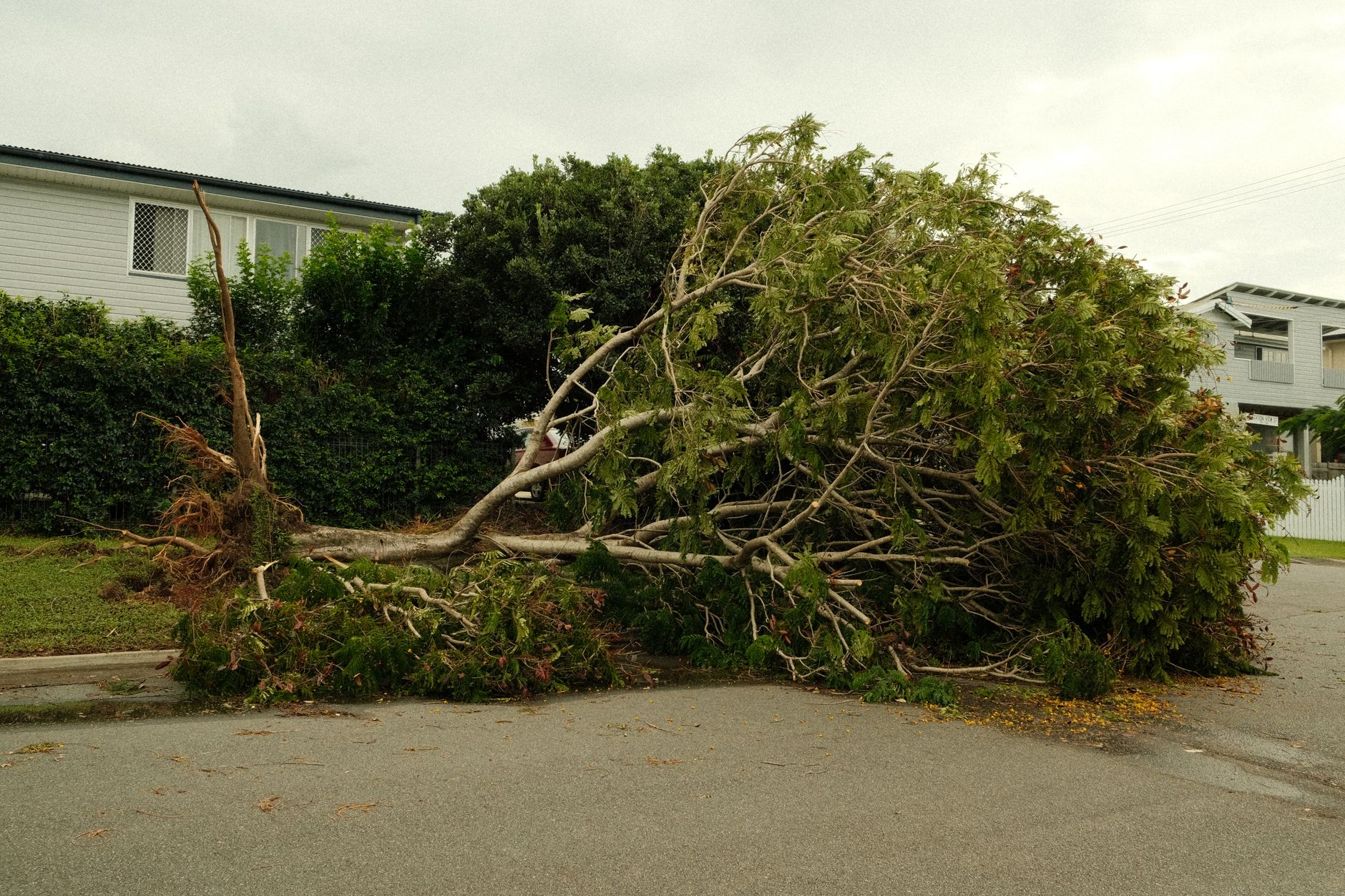
Severe weather from Cyclone Arnab has inflicted widespread damage across the Indian states of Andhra Pradesh and Odisha, leaving thousands without electricity, halting rail traffic and prompting large‑scale evacuations. Government officials, utility workers and rescue agencies are racing to restore essential services while providing shelter and medical care to affected residents.
Infrastructure and transport disruptions
Heavy rains associated with the cyclone swamped roads and rail lines in several districts. In Andhra Pradesh, the South Central Railway rescheduled four trains on Friday after flooding near Ichchapuram made the line unsafe. The Falaknuma Express, which normally departs at 8:25 a.m., was delayed to 2:45 p.m., while the Visakha Express was moved from an 8:00 a.m. to a 10:30 a.m. departure. The Mumbai‑Bhubaneswar Express was cancelled for October 31. Across the broader Howrah‑Chennai corridor, 36 trains were cancelled and 30 diverted as flood‑water inundated tracks.
Road networks also suffered. In Odisha’s Ganjam, Gajapati and Kandhamal districts, torrential rain washed away a stretch of National Highway 326 that links Berhampur with Mohana, cutting off vehicular movement. Additional road damage was reported in Gajapati’s hilly terrain, where landslides blocked major routes and left villages marooned. In Srikakulam district’s Ichchapuram area, the Kolkata‑Chennai National Highway 16 remained underwater, preventing vehicle traffic and complicating rescue operations.
Power outages and restoration efforts
Power infrastructure bore the brunt of the storm. Energy Minister Gottipati Ravi Kumar estimated the damage to the sector at roughly ₹500 crore. Restoration crews were deployed to the hardest‑hit towns of Palakollu, Bhimavaram and Narsapur, with a total of about 1,700 personnel from the state utilities, an additional 500 employees from three distribution companies, and another 500 workers from Telangana joining the effort.
Under the Andhra Pradesh Eastern Power Distribution Company Limited (APEPDCL), electricity supply had been restored in 4,771 of the 5,400 villages identified as affected, leaving 629 villages still without power. A separate statement from the chief minister’s office noted that restoration works had been completed in 4,765 villages, underscoring the scale of the undertaking.
Telangana responded to a request from the Andhra Pradesh government by dispatching nearly 2,000 staff members and emergency material to assist with power restoration. The two distribution utilities of Telangana sent the personnel and equipment after phone conversations between Chief Minister N. Chandrababu Naidu, Energy Minister G. Ravi Kumar and their Telangana counterparts, A. Revanth Reddy and M. Bhatti Vikramarka.
Humanitarian response and health measures
Authorities moved thousands of residents to relief camps as floodwaters rose. In Ichchapuram, about 10,000 people from the town and surrounding villages were shifted to school buildings that served as temporary shelters. Collector Swapnil Dinakar Pundkar of Srikakulam district said the water was receding quickly, but power remained out across the constituency.
In the cyclone‑hit districts of Andhra Pradesh, village and ward secretariat staff struggled to charge phones and biometric devices required for the NTR Bharosa pension distribution, as many villages had been without electricity for two days.
Health officials took pre‑emptive steps for expectant mothers. The state health department identified 4,228 pregnant women, including those due within two weeks and those with high‑risk pregnancies. Of these, 3,100 were relocated to medical facilities before the storm’s arrival. The women were distributed across primary health centres, urban primary health centres, community health centres, area hospitals, district hospitals, government medical college hospitals and private hospitals. The effort resulted in the birth of 367 infants while the women were under care.
Political reactions and coordinated relief
Chief Minister N. Chandrababu Naidu ordered officials to accelerate power restoration, road repairs and the re‑establishment of mobile network services. He urged telecom companies to act responsibly and speed up network recovery. The chief minister also emphasized that electricity should be restored to every household and village, and that additional personnel from other regions and states could be mobilised if needed.
The Indian Congress party called on the central government to lead a coordinated relief and rehabilitation operation, invoking the PM‑CARES fund to support affected families. Party president Mallikarjun Kharge expressed condolences for the loss of life in Andhra Pradesh and the disruption in Odisha, urging party workers to assist those in distress.
On the maritime front, the Indian Coast Guard rescued all 20 crew members of the bulk carrier Sigma Pearl, a Marshall Islands‑flagged vessel that had been stranded off the Andhra coast near the village of Antaravedi in Dr B. R. Ambedkar Konaseema district. The crew were airlifted to the Coast Guard ship Sujay and brought to safety.
Overall, the combined impact of Cyclone Arnab has highlighted the vulnerability of coastal infrastructure and the importance of rapid, multi‑agency response. While power restoration is progressing and transport services are gradually resuming, officials continue to monitor water levels, assess damage and provide assistance to the thousands displaced by the storm.






Be First to Comment