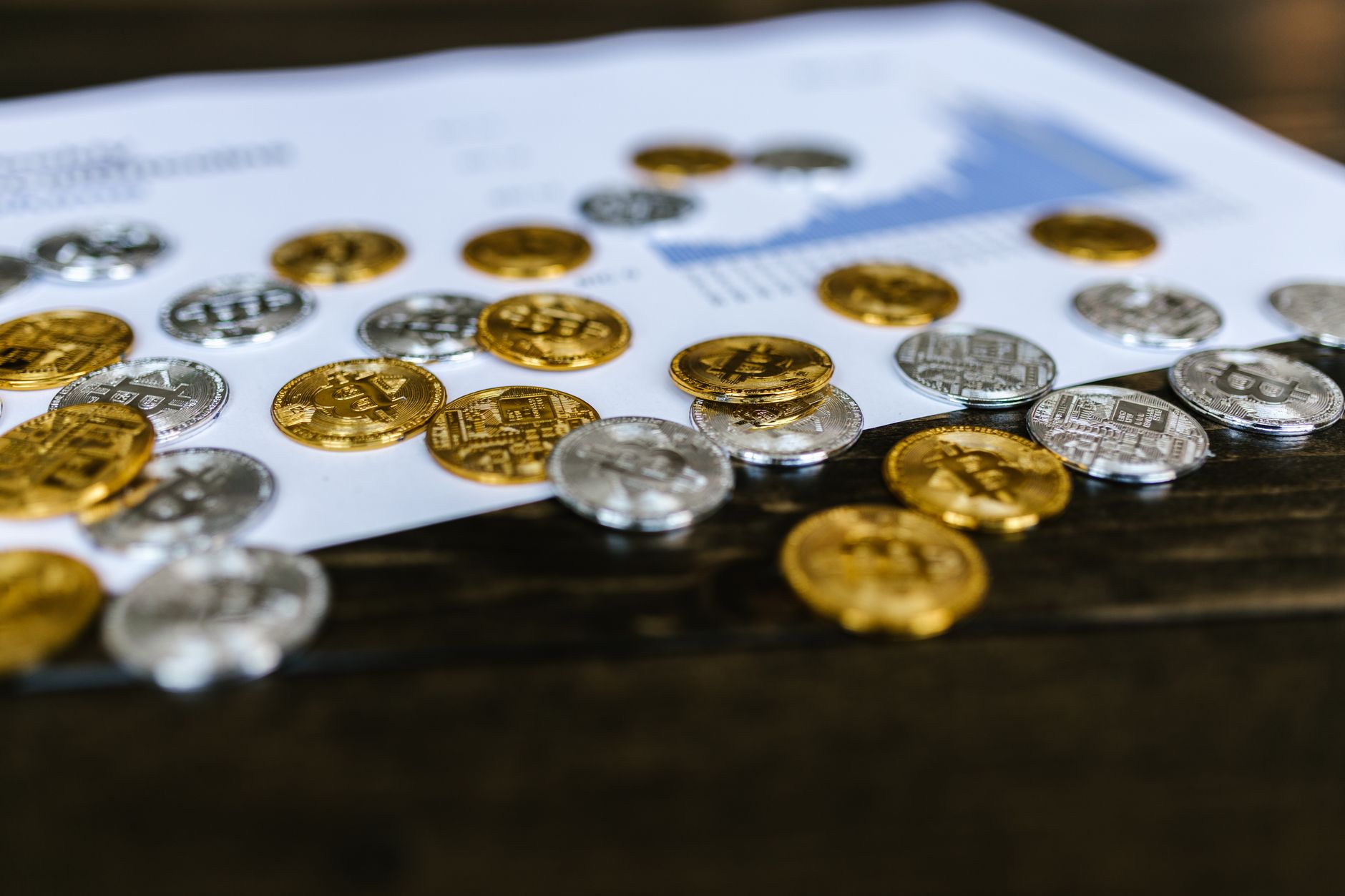
Silver has dropped to its lowest level of the year, while gold managed to cling to a critical support zone around $4,000 an ounce, according to a recent Metals Focus report. The widening gap between the two precious metals pushed the gold‑silver ratio above 76 – a level not seen since December 2025 – and the analysts warned that continued weakness in the physical market could fuel further declines for the grey metal.
Price action and macro backdrop
At the time of the report, spot silver was quoted at $52.06 per ounce, slipping more than 3 % in a single session. By contrast, spot gold traded at $4,015.60 an ounce, down just over 1 % on the day. The divergence has lifted the gold‑silver ratio by more than 11 % year‑to‑date, moving it into a range that historically signals heightened pressure on silver.
Metals Focus highlighted that silver’s greater price volatility compared with gold has amplified the broader sell‑off across precious metals. The ongoing conflict in Iran, which has pushed energy prices higher, continues to stoke inflation concerns. Meanwhile, the Federal Reserve left its policy rate unchanged on Wednesday but reaffirmed a tightening bias, indicating that policymakers remain committed to returning inflation to the 2 % target.
Market expectations, as measured by the CME’s FedWatch Tool, show an 80 % probability of a 25‑basis‑point rate hike in December, followed by at least two more increases in 2027. Higher rates and rising bond yields increase the opportunity cost of holding non‑yielding assets such as gold and silver, but the impact appears more pronounced for silver, which lacks the same monetary cachet as gold.
According to the analysts, gold has been better insulated from these headwinds thanks to its status as a safe‑haven asset and ongoing purchases by central banks and long‑term investors seeking protection against geopolitical and macroeconomic uncertainty. Silver, on the other hand, remains more exposed to fluctuations in industrial demand and speculative investment flows.
Physical market pressures
Beyond macro‑economic factors, Metals Focus pointed to a weakening physical market as a key driver of silver’s slide. The severe liquidity constraints that propelled silver to record highs in 2025 and early 2026 have largely evaporated. By the end of September, London vault inventories had climbed to 932 million ounces – the highest level in almost four years.
More strikingly, “available” inventories, which exclude metal held in physically backed exchange‑traded products (ETPs), rose to roughly 267 million ounces, nearly double the lows recorded in October 2025. This surge in free‑floating supply coincides with a noticeable decline in investment demand.
Metals Focus reported that global silver‑backed ETP holdings have shrunk by about 60 million ounces since the start of the year, releasing previously locked‑up metal back into the market. While the initial outflows were partly driven by profit‑taking after silver’s record rally, a lack of renewed investor conviction has prevented fresh inflows.
Speculative interest has also waned. Net managed‑money long positions in CME silver futures fell to just 17 million ounces, the lowest level since February 2024. Physical bullion demand offered little support as well. A survey of leading mints showed primary silver bullion coin sales plunged more than 80 % in the second quarter compared with the first three months, hitting the lowest quarterly figure since the survey began in 2010. Although sales modestly recovered in the third quarter, they remained 22 % below the prior‑year level.
Outlook and market expectations
Looking ahead, Metals Focus expects the fundamental weakness in silver’s physical market to persist. Elevated prices are likely to dampen demand for jewellery and silverware, while manufacturers in sectors such as photovoltaics are reducing silver usage or substituting alternative materials.
The research firm projects that the global silver market deficit will narrow further this year and shift into a surplus by 2027. This anticipated swing suggests that the metal is unlikely to encounter another sharp physical‑market squeeze in the near term.
Nevertheless, the analysts caution that silver’s underperformance relative to gold is unlikely to last forever. Over the next twelve months, they anticipate that silver will continue to track gold’s direction, with higher interest rates and bond yields presenting additional downside risks in the short run.
Investors and market participants can monitor live precious‑metals prices for gold, silver, platinum and palladium across multiple currencies to gauge ongoing developments.






Be First to Comment