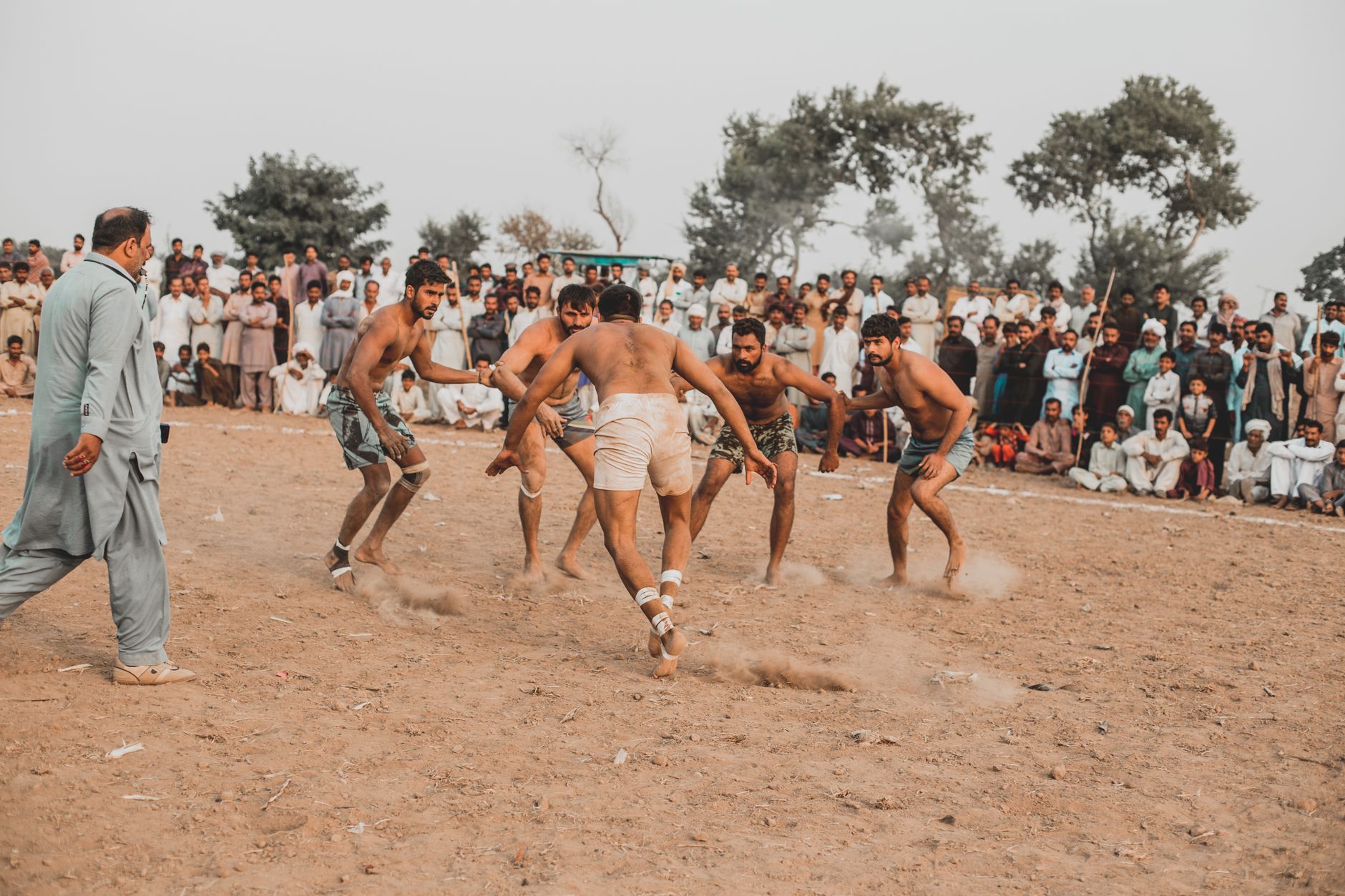
New Delhi – On October 31, 2026, India emerged as the undisputed champion in both the men’s and women’s categories of the Commonwealth Kabaddi Championships. The Indian men’s team defeated Sri Lanka with a decisive 54‑20 margin, while the women’s side outscored Uganda 35‑15 to complete a rare double‑gold feat.
Men’s Final: India versus Sri Lanka
The men’s final unfolded at 9 p.m. after a buildup that highlighted India’s 5‑0 head‑to‑head record against Sri Lanka since 2016. From the opening raid, India asserted dominance, with lead raider Neeraj Narwal securing an early bonus point. The first half saw the Indian side accumulate a 20‑point advantage, ending the half at 30‑10 thanks to a blend of raid and tackle contributions across the squad.
Sri Lanka, despite a valiant effort and a series of super‑tackle points that briefly narrowed the gap, struggled to generate consistent raid points. Their defence, however, earned praise for resilience, especially in a do‑or‑die raid that yielded a solitary point before India responded with a multi‑point raid from Bharat Hooda. Hooda’s skillful escape from a near‑capture and subsequent five‑point raid epitised the Indian team’s depth.
As the second half commenced, India’s lead expanded to 32‑10, with successive tackles reinforcing the margin. By the ten‑minute mark of the half, the scoreboard read 41‑13, and the Indian side continued to press, adding a series of all‑outs that left Sri Lanka with only two players on the mat. The final whistle confirmed a 54‑20 victory, cementing India’s status as the tournament’s dominant force.
Key performances included multiple players registering three or more raid points, while two defenders each recorded five tackle points. The Indian coach’s strategic time‑out at 19 minutes of the first half, when the lead was 21‑9, proved pivotal in sustaining momentum and preventing any Sri Lankan comeback.
Women’s Final: India versus Uganda
The women’s final mirrored the men’s narrative of Indian supremacy. Facing Uganda, the Indian side entered the match unbeaten throughout the tournament. Early raids saw Neeraj Narwal again delivering a bonus point, setting the tone for a match that would remain largely one‑sided.
Uganda’s lone bright spot came from Nakayonga Shirat, who contributed ten of her team’s twelve points, but the overall effort could not match India’s coordinated attacks. The Indian defence, anchored by veteran Ritu, executed ankle‑hold tackles that repeatedly halted Ugandan raiders, while debutant Anu added crucial raid points to maintain pressure.
Midway through the first half, India had built a 20‑point lead, ending the half at 30‑10 after a second all‑out. The second half saw Sakshi step up with a multi‑point raid, further widening the gap. Captain Nidhi Sharma also delivered a decisive do‑or‑die raid, reinforcing the team’s aggressive posture.
By the closing minutes, the scoreboard read 35‑15 in favor of India. The final whistle confirmed the women’s team as unbeaten champions, a testament to the blend of experienced campaigners and emerging talent that delivered consistent performances across every match.
Tournament Overview and Reactions
Beyond the finals, the championship featured notable storylines. Uganda’s women’s team, after a hard‑fought semifinal win over Kenya, earned their first appearance in a Commonwealth final, a milestone highlighted by their resilience despite logistical challenges, including last‑minute flight bookings.
Sri Lanka’s journey to the men’s final was celebrated as a significant achievement. Their defensive tenacity, evidenced by multiple super‑tackle points, earned them commendations even in defeat. The Sri Lankan side’s ability to keep the scoreline respectable until the later stages of the match underscored their growing competitiveness on the Commonwealth stage.
Indian officials lauded the double triumph, emphasizing the depth of talent across both squads and the effectiveness of the preparation programs that have been in place since the previous championships. The victories also extend India’s historical dominance in Commonwealth kabaddi, reinforcing the nation’s reputation as a powerhouse in the sport.
Fans across the sub‑continent celebrated the outcomes on social media, with hashtags praising the men’s and women’s teams trending throughout the evening. The Indian Kabaddi Federation announced plans to reward the players and to use the momentum to promote grassroots development ahead of the next international cycle.
With both titles secured, India looks ahead to upcoming Asian and World Kabaddi events, where the momentum from the Commonwealth Championships is expected to translate into further success on the global stage.






Be First to Comment