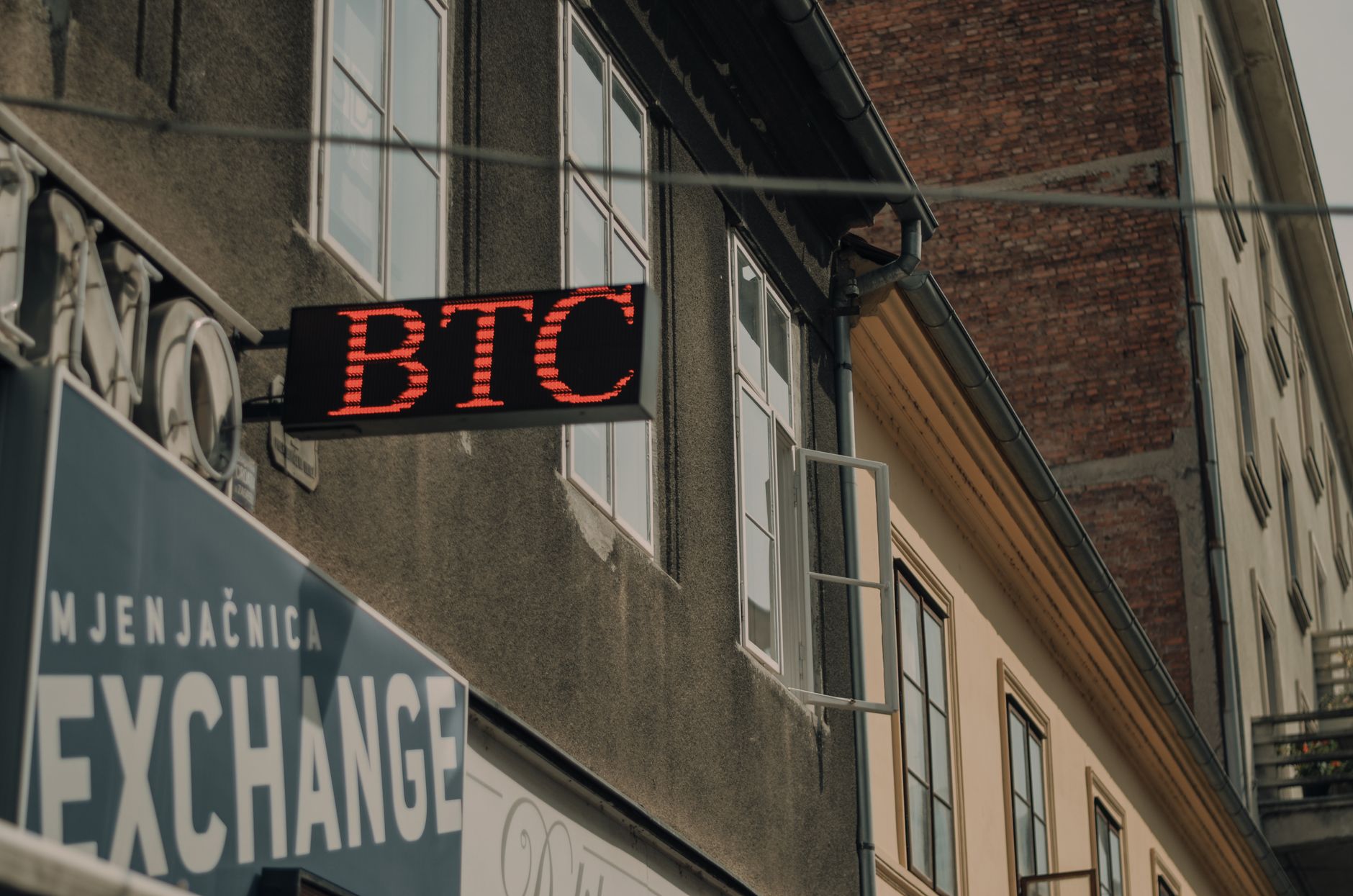
Customers of Binance, the world’s largest cryptocurrency exchange, moved $3.64 billion out of the platform after hackers stole roughly $6.3 billion from wallets held at the exchange last week. The sudden surge of withdrawals represented about 2.1 percent of Binance’s total assets, which stood at $171 billion as of Oct. 28.
Scale of the breach and immediate reaction
The theft, described by industry observers as one of the biggest on‑record, triggered a precautionary wave of withdrawals rather than a full‑scale capital flight, according to Ari Redbord, global head of policy at blockchain‑intelligence firm TRM Labs. Redbord’s assessment, cited by Reuters, frames the outflows as a defensive response by users seeking to safeguard their holdings amid heightened uncertainty.
Binance’s internal data showed that deposit volumes remained “substantial” despite the early spike, suggesting that the exchange continued to attract new funds even as existing users pulled money out. The platform’s leadership emphasized that the outflows were stabilising as services were gradually restored.
Binance’s remediation strategy
In the wake of the breach, Binance announced that it would bear the financial impact of the incident. The exchange said it had already replaced approximately 95 percent of the stolen assets using its own capital, spending close to $6 billion to acquire replacement tokens. The remaining 5 percent consists of less liquid cryptocurrencies, which Binance expects to source over a longer timeframe.
To fund the remediation, Binance set aside roughly $6.34 billion drawn from its corporate treasury, its Futures Insurance Fund and the Secure Asset Fund for Users (SAFU). The firm reiterated that the cost of the breach would not be passed on to its customers.
Phased resumption of withdrawals
After a brief suspension, Binance resumed withdrawals on Sunday in a staged manner. The first phase allowed transactions involving 15 cryptocurrencies, including Bitcoin, Ether, XRP, Dogecoin and stablecoins such as USDT and USDC. In a post on X, the exchange explained that token prioritisation was based on demand data collected over the past week, adding that market conditions remained stable.
Data from crypto‑analytics platform DefiLlama, however, painted a larger picture of outflows, reporting $5.81 billion withdrawn—up from an earlier $4.36 billion figure. Binance disputed these numbers, stating that DefiLlama’s calculations omitted deposits made to the exchange’s newly created hot wallet, and that the latest update posted on X was the most accurate representation of flows.
Market response and broader implications
The broader crypto market showed signs of recovery after the initial shock. Bitcoin, which had touched a six‑week low on Friday, traded above $78,000 on Monday. Ether also rebounded, hovering around $2,287 after hitting a two‑month trough.
Stablecoins, which often serve as safe‑haven assets in volatile markets, experienced a modest decline. The combined market capitalisation of USDT and USDC fell by about $1.2 billion since Friday, according to CoinMarketCap data.
Analysts are watching the pace of withdrawals as an early indicator of whether confidence in Binance endures after one of the most significant thefts in cryptocurrency history. While the outflow represents a small fraction of the exchange’s total assets, the episode underscores the ongoing security challenges facing digital‑asset platforms and the importance of robust insurance and reserve mechanisms.
Binance’s decision to replace the majority of stolen assets from its own funds is an uncommon move in the largely unregulated crypto sector, where users often bear the brunt of security failures. By allocating a sizable portion of its treasury and insurance reserves, the exchange aims to preserve user trust and demonstrate resilience in the face of systemic risk.
As the situation evolves, the industry will likely scrutinise both the technical details of the breach and the efficacy of Binance’s response. The exchange’s ability to manage the outflows, replenish liquidity and maintain stable market conditions will be key metrics for stakeholders assessing the health of the broader cryptocurrency ecosystem.






Be First to Comment