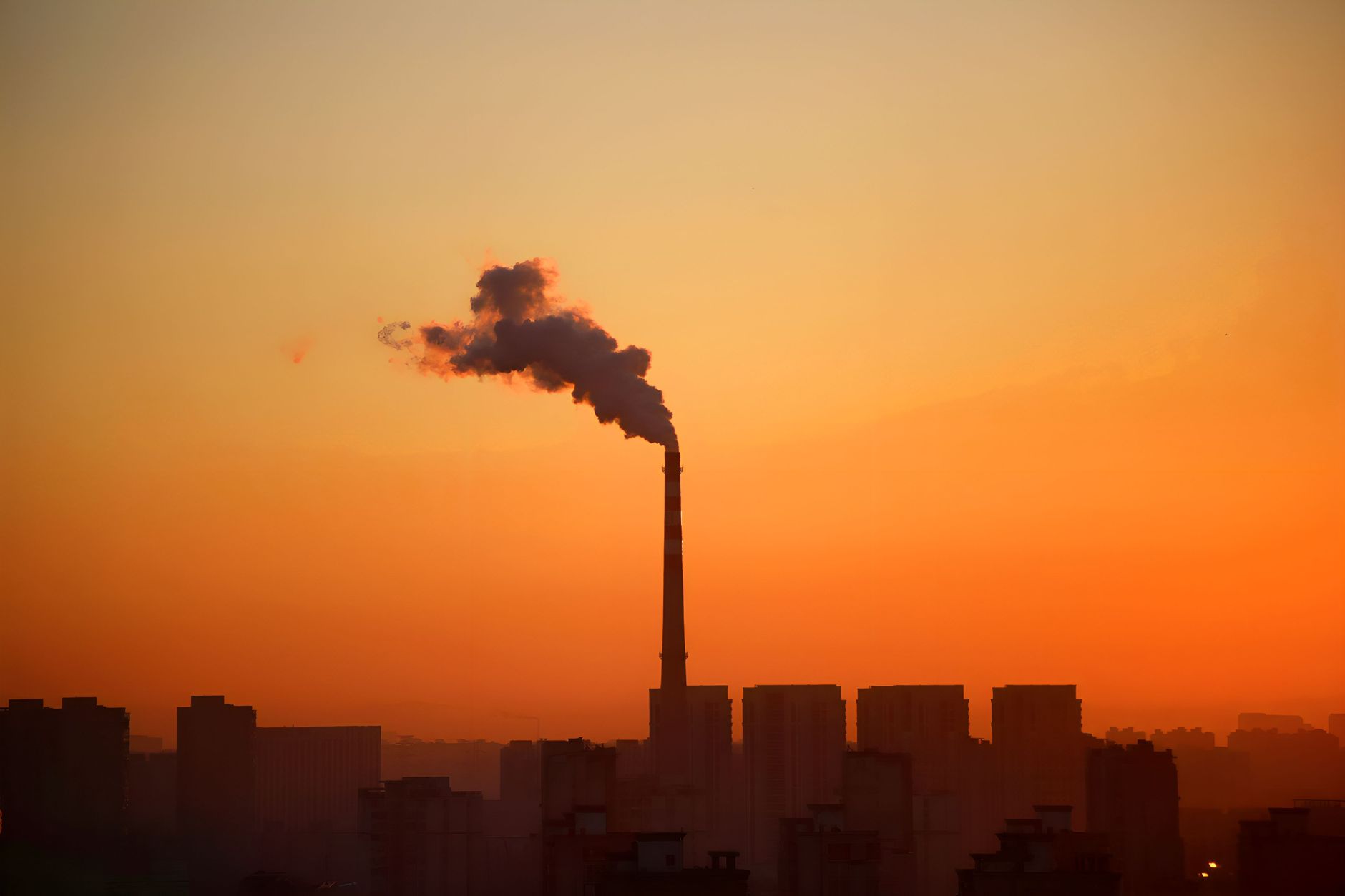
Delhi’s air quality deteriorated sharply on Monday morning, with the Air Quality Index (AQI) climbing to 307 at 7:05 a.m. The reading places the capital in the “very poor” category for the first time this season, according to the Central Pollution Control Board (CPCB). The spike follows a brief period of relief after heavy rain earlier in the week, which had temporarily lowered pollution levels.
AQI readings and monitoring data
The CPCB’s 4 p.m. bulletin recorded a 24‑hour average AQI of 261 for Sunday, a jump from 117 the previous day. On Friday, the AQI had fallen to 60 after rain washed pollutants from the atmosphere, delivering the cleanest October day in four years. Of the 59 monitoring stations across Delhi, data were available from 58 stations on Monday. Thirty‑six of those stations reported “very poor” air quality, while Jahangirpuri stood out as the sole station in the “severe” range with an AQI of 417.
Five stations registered “moderate” conditions, and the remaining stations fell into the “poor” category. The CPCB classifies AQI values as follows: 0‑50 = good, 51‑100 = satisfactory, 101‑200 = moderate, 201‑300 = poor, 301‑400 = very poor, and 401‑500 = severe.
At 6 a.m. on Monday, the primary pollutant across 51 of the 58 reporting stations was PM2.5, the fine particulate matter linked to respiratory problems. The remaining seven stations listed PM10 as the dominant pollutant. A day earlier, PM2.5 was the main pollutant at 46 of 57 stations, with PM10 leading at 11 stations.
Delhi last experienced a “very poor” AQI reading on February 11, when the 24‑hour average reached 305. Earlier in the month, on February 4, the AQI peaked at 339. The current reading therefore marks the first occurrence of a very poor level this autumn.
Factors driving the surge and future outlook
Experts note that the rise in pollution coincides with the approach of Diwali, a festival traditionally associated with firecracker usage that adds to the pollutant load. Meteorologist Navdeep Dahiya warned that the smog season had begun and that unfavourable weather conditions were likely to exacerbate air quality in the coming days.
In a post on the social platform X, Dahiya observed that most AQI sensors across the National Capital Region (NCR) were reporting values above 300, with many climbing into the 400‑500 range during the night. He highlighted a north‑west wind flow combined with calm conditions, which tends to trap emissions in the atmosphere for extended periods.
Dahiya further projected that no favourable meteorological conditions were expected over the next seven to ten days, suggesting that smog could worsen across Delhi‑NCR and the broader northern plains.
Satellite data from NASA adds another dimension to the pollution picture. Between October 1 and November 1, the agency detected 1,394 farm fires in the neighboring states of Punjab and Haryana—1,249 in Punjab and 145 in Haryana. Of these, 171 fires were recorded on November 1 alone. By comparison, the same period last year saw 1,861 fires, indicating a reduction in the total count but not necessarily in overall emissions.
Analysts caution that the raw fire counts may not be directly comparable year‑to‑year because stubble burning has increasingly shifted to later hours. In 2025, about 98 % of fire heat detected by the Meteosat satellite occurred after 3 p.m., up from 94 % in 2024. Both years likely underestimate total burning, as most activity now takes place after the satellite’s pass around 1:30 p.m.
The convergence of lingering emissions, limited wind dispersion, and continued agricultural burning creates a scenario where pollutants remain suspended in the lower atmosphere. With Diwali celebrations on the horizon, the potential for additional particulate matter from fireworks could push AQI readings even higher.
Authorities have responded with anti‑pollution measures, including fines and vehicle checks, though the source text does not detail the scale of those actions. The CPCB continues to issue regular bulletins, and meteorologists are closely monitoring wind patterns and temperature inversions that influence smog formation.
Residents of Delhi and surrounding regions are advised to stay informed about air quality updates, limit outdoor activities when possible, and use protective masks if exposure to high levels of PM2.5 is unavoidable. The situation underscores the seasonal nature of air quality challenges in the capital, especially as the festive period approaches.
As the week progresses, the combination of stagnant weather, ongoing agricultural fires, and upcoming fireworks is expected to keep the AQI in the very poor to severe range, posing health risks for vulnerable populations and prompting calls for intensified mitigation efforts.






Be First to Comment